
A sweeper truck rolling through a Nashville parking lot at 4 a.m. looks simple from the outside. The work behind it is not. Operators handle heavy equipment near traffic, tight loading docks, and storm drains, and their training shapes how safely and effectively they work. As a Nashville sweeping company, we want property owners and managers to understand what that training involves so you can hire with confidence.
The American Public Works Association (APWA) is a nonprofit professional organization for people who build and maintain public infrastructure. Its members include street, fleet, stormwater, and facilities professionals. Its training and standards resources give the industry a widely recognized reference point for public works practice.
Sweeping is a skilled trade, not a drive-and-hope routine. Operators learn their equipment, their routes, and their environmental responsibilities through structured instruction rather than guesswork. Next, we will look at what that instruction typically covers.
Strong sweeper operator programs combine classroom instruction with hands-on seat time. The core topics usually include:
Safety training protects people, and route planning protects your budget. Environmental training protects the waterways your property drains into, which brings us to Nashville's local rules.
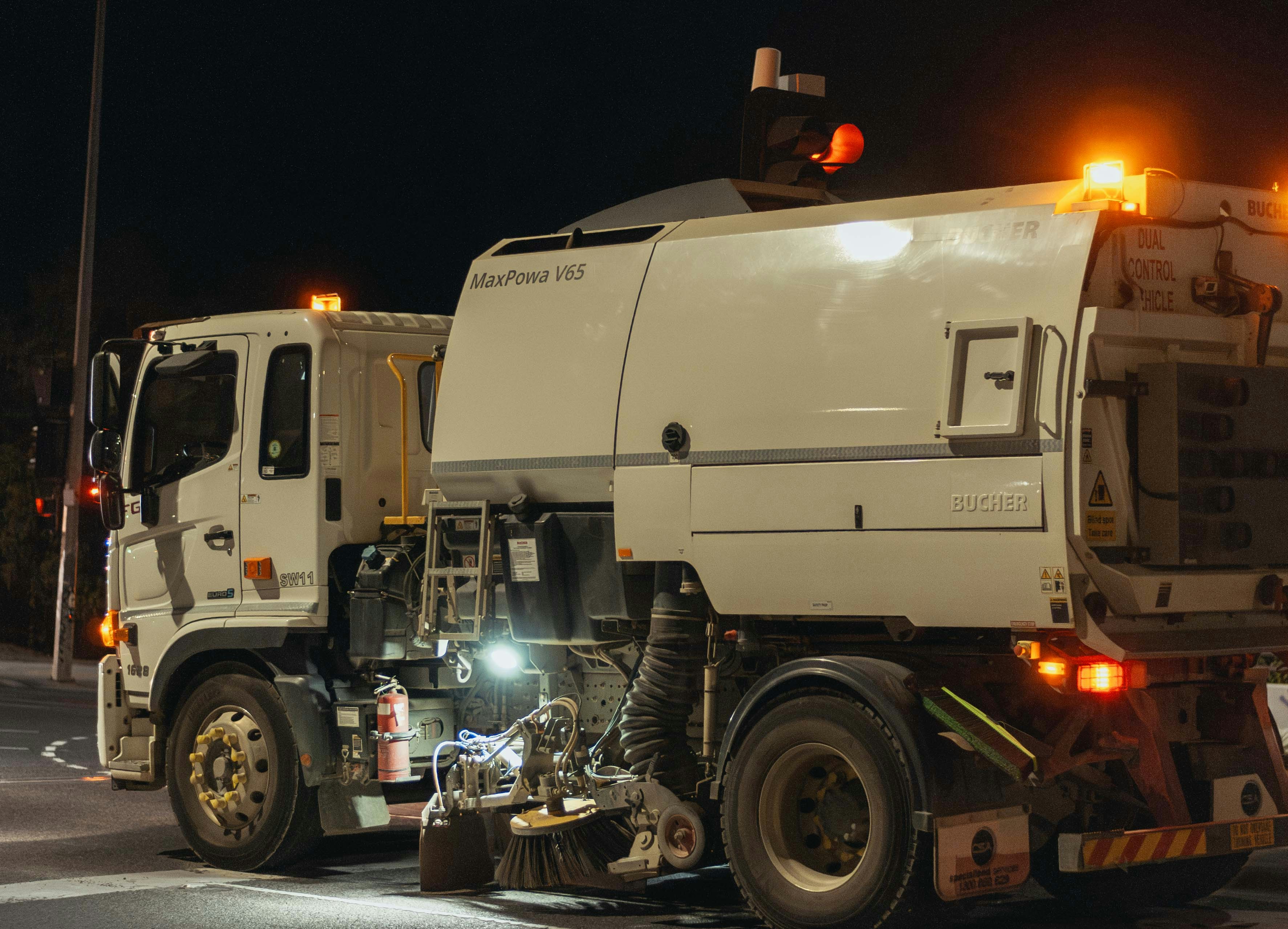
Stormwater is rain or snowmelt that runs off hard surfaces like parking lots instead of soaking into the ground. According to the U.S. Environmental Protection Agency, that runoff can carry sediment, trash, and other pollutants into local waterways through storm drains. Cities manage this through a municipal separate storm sewer system (MS4), the network of drains and channels that moves runoff, and through permits issued under the National Pollutant Discharge Elimination System (NPDES).
Tennessee runs this permitting program through the Tennessee Department of Environment and Conservation (TDEC). Nashville adds its own layer through the Stormwater Division of Metro Water Services. The Metro stormwater program notes that stormwater receives no treatment before it reaches local waterways, and that the division inspects construction sites and enforces Clean Water Act water quality standards.
Sweeping directly addresses that risk. A crew that understands where debris travels keeps material out of catch basins instead of simply tidying a lot.
Nashville's mix of retail centers, apartment communities, warehouses, and job sites creates very different sweeping needs, and our services reflect that range. Construction traffic tracks mud onto public streets, which is where construction sweeping comes in. Fresh paving leaves loose aggregate and dust behind, so we also provide asphalt paving cleanup. Busy retail centers collect litter and grit all week, which makes parking garage and lot sweeping a regular need.
Other properties bring different demands. Distribution yards and loading docks mean heavy truck traffic and tight clearances, and we cover those sites through industrial warehouse sweeping. Residential communities need clean entrances and drive lanes, which we address through neighborhood and HOA sweeping.
Trained operators adapt to each setting. They recognize when a site needs slower passes for heavy buildup, and they work around parked vehicles and delivery schedules. Good crews also spot problems early, such as clogged drains or damaged curbs, and report them before they grow. If you need scheduled and emergency street sweeping, that attention to detail is what you should expect from any contractor.

You do not need to be a public works expert to evaluate a sweeping company. Ask us, or any contractor you consider, these direct questions and expect direct answers:
A contractor who answers clearly has usually invested in its people. A vague answer tells you something too.
Understanding operator training puts you in a stronger position to choose a sweeping partner. We welcome the questions above, and you can learn more about our team before you reach out. Whether you manage a job site, a commercial lot, or an HOA community, or need municipal sweeping support in the Nashville area, we want you to feel confident in your decision.
When you are ready, contact us to start the conversation. We will listen to your site's needs and explain how we can help keep your property clean, safe, and presentable.
