

.jpg)
Lower Broadway and the 2nd Avenue corridor form the most recognized entertainment district in Tennessee — a stretch of honky-tonks, live music venues, restaurants, and historic commercial buildings in downtown Nashville whose neon-lit facades, continuous live country music, and pedestrian energy have made it the defining image of Music City for visitors from across the United States and around the world.
The district's convergence of Nashville's country music heritage, its nineteenth century mercantile history along the Cumberland River waterfront, and its transformation into one of America's most visited urban entertainment destinations creates a layered civic identity that rewards understanding beyond the surface spectacle — a neighborhood whose current character reflects more than a century of economic evolution, preservation battles, and the sustained investment of the musicians, business owners, and civic advocates who kept Lower Broadway alive through the decades when Nashville's downtown was in decline.
For Nashville residents, Davidson County professionals, and anyone seeking to understand the urban geography and cultural heritage that give Tennessee's capital city its international identity, the Broadway and 2nd Avenue entertainment district provides an essential starting point.
The 2nd Avenue North corridor — running parallel to the Cumberland River one block east of Broadway — preserves one of the most intact concentrations of Victorian-era commercial architecture in the American South, a row of five and six-story brick warehouse buildings constructed between the 1870s and the 1890s during Nashville's post-Civil War commercial boom.
These buildings served as the wholesale grocery, dry goods, and hardware warehouses that supplied Middle Tennessee's agricultural economy during the decades when river commerce and the Louisville and Nashville Railroad made Nashville the regional distribution center for goods moving between the Ohio Valley and the Deep South. The warehouse district's commercial function declined during the early twentieth century as highway transportation replaced river and rail commerce, leaving the buildings underutilized but structurally sound — a preservation circumstance that allowed the district's architectural character to survive largely intact into the era when urban heritage tourism created new economic justifications for its restoration.
The 2nd Avenue buildings' rehabilitation during the 1980s and 1990s — converting former warehouses into restaurants, retail establishments, and entertainment venues — established the architectural character that the corridor maintains today.
The Tennessee Historical Commission administers Tennessee's National Register of Historic Places program — the formal recognition framework within which Nashville's Victorian warehouse district on 2nd Avenue gains its architectural significance designation and the regulatory protection that preserves its historic character from incompatible alterations.
.jpg)
Lower Broadway's identity as Nashville's honky-tonk row — the two-block stretch of neon-signed bars whose open facades pour continuous live country music onto the sidewalk at all hours — traces to the post-World War II decades when the street served as the commercial and social hub for the musicians, songwriters, and industry workers who populated Nashville's growing country music economy.
The honky-tonks that lined Broadway during the 1950s and 1960s served a working-class clientele of musicians and music business workers whose day-to-day economic lives intersected with the recording studios, music publishers, and talent agencies concentrated in the nearby Music Row district — creating the specific combination of musical authenticity and working-class social culture that distinguished Broadway's honky-tonks from more polished entertainment venues.
The survival of Broadway's honky-tonk character through the 1970s and 1980s — when Nashville's downtown was losing population and economic vitality to suburban development — depended on the persistence of venues like Tootsie's Orchid Lounge, Robert's Western World, and the Wheel whose owners maintained continuous live music programming despite the economic pressures of a declining downtown commercial district.
The Nashville Downtown Partnership documents Lower Broadway's role as the city's primary entertainment and hospitality corridor — the official downtown business district record of how the honky-tonk strip's continuous live music programming has sustained Nashville's most recognized civic identity across successive decades of urban change.
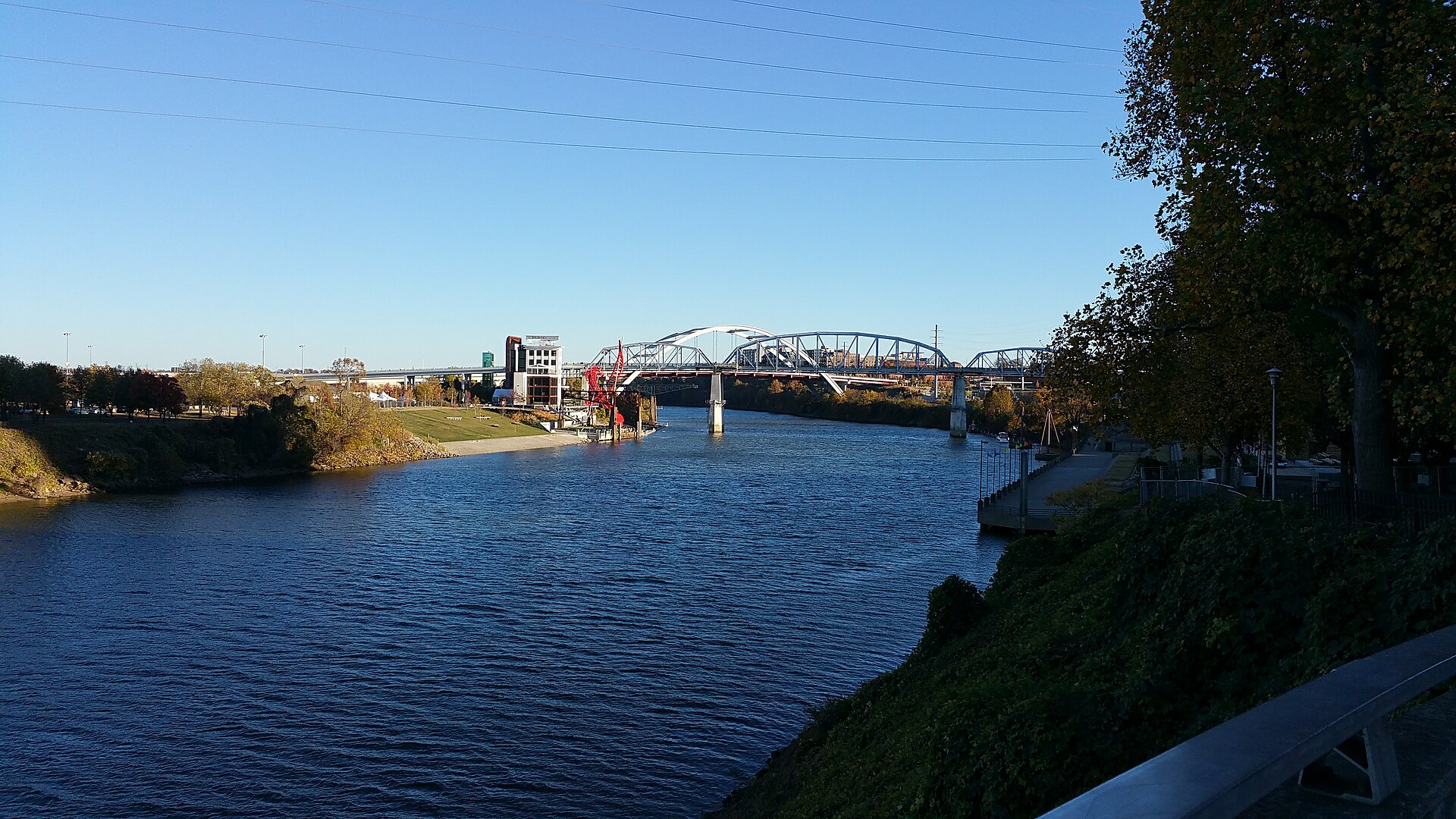
The Broadway and 2nd Avenue entertainment district's eastern boundary is defined by the Cumberland River waterfront — the riverfront that gave Nashville its original commercial rationale as a river port and that continues to shape the district's geography through the Riverfront Park, the pedestrian connections to the Korean Veterans Memorial Bridge, and the views across the river to the East Nashville neighborhoods on the opposite bank.
The river's presence gives the entertainment district a natural eastern terminus that concentrates pedestrian activity within the compact street grid between Broadway, 2nd Avenue, and the waterfront — creating the pedestrian density that sustains the district's entertainment economy and gives it the street-level vitality that distinguishes it from more dispersed entertainment districts in other American cities.
The Cumberland River's role in Nashville's development — as the transportation corridor that made the city a regional commercial hub and the geographic feature that continues to organize downtown's eastern edge — gives the waterfront its historical depth beyond its current recreational and scenic function.
According to NOAA climate data, Nashville experiences average July highs near 91°F, average January lows near 29°F, and approximately 48 inches of annual precipitation — a humid subtropical climate whose warm spring and fall seasons create the most comfortable conditions for the outdoor pedestrian activity and riverfront programming that the entertainment district sustains across its operating calendar.
Lower Broadway's transformation from a locally patronized honky-tonk strip into one of America's most visited urban entertainment destinations accelerated dramatically during the 2010s as Nashville emerged as a top-tier destination for bachelorette parties, corporate events, and leisure tourism — a growth trajectory that has added rooftop bars, multi-story entertainment venues, and nationally branded hospitality concepts to the district while simultaneously generating the capacity pressures and neighborhood character debates that rapid tourism growth creates in any urban destination.
The district's visitor volume — drawing millions of annual visitors to a few compact city blocks — has made Broadway and 2nd Avenue one of the most economically productive entertainment districts per square foot in the United States, sustaining the employment, tax revenue, and economic spillover that Nashville's hospitality sector depends on.
The district's growth has also created the maintenance, infrastructure, and public safety challenges that high-density entertainment districts generate — the pedestrian crowds, commercial vehicle deliveries, event-related street closures, and the sustained demand for clean, well-maintained public spaces that a world-class entertainment destination requires to sustain its visitor appeal across successive seasons of heavy use.
Lower Broadway and 2nd Avenue occupy a position in Nashville's cultural identity that extends well beyond their function as an entertainment district — they represent the physical embodiment of the country music heritage, the working-class musical authenticity, and the southern hospitality that Nashville has projected as its brand identity to the world across the decades of its rise as a major American city.
The district's preservation of live music performance as its primary activity — in an era when many American entertainment districts have shifted toward passive consumption of recorded music and branded dining experiences — gives Broadway a cultural distinctiveness that sustains its authenticity claim and differentiates it from entertainment districts in other cities that lack the specific musical heritage that Lower Broadway has maintained across its history.
The ongoing tension between Broadway's authentic honky-tonk heritage and the pressures of mass tourism — the balancing act between preserving the working-class musical culture that created the district's identity and accommodating the visitor volume that contemporary tourism generates — defines the central civic conversation about the district's future.
For Nashville residents, Davidson County businesses, and anyone exploring the entertainment, history, and urban character of Nashville, Tennessee, Broadway and 2nd Avenue remain the most concentrated and most internationally recognized expression of what Music City has built across more than a century of country music heritage and commercial evolution.

.jpg)
