
Germantown and East Nashville represent two of the most historically significant and most rapidly transforming neighborhoods in Nashville, Tennessee — adjacent districts whose distinct architectural heritage, vibrant commercial corridors, and the sustained residential investment that has accompanied Music City’s explosive population growth across the past two decades have made them among the most closely watched urban neighborhoods in the American South. Germantown, Nashville’s oldest surviving neighborhood, sits just north of downtown along the Cumberland River, its restored Victorian and Italianate architecture contrasting sharply with the gleaming new construction that has filled its remaining lots and replaced its industrial buildings with mixed-use residential development. East Nashville, across the Cumberland on the city’s east bank, has evolved from a working-class neighborhood struggling with decades of disinvestment into one of the most desirable and most culturally distinctive residential and commercial destinations in the entire Nashville metropolitan area. For Nashville residents, Davidson County families, and anyone seeking to understand the urban growth patterns and civic infrastructure challenges that define contemporary Nashville, Germantown and East Nashville provide an essential and revealing lens.
Germantown’s identity as Nashville’s oldest intact neighborhood traces to its settlement by German immigrant merchants and craftsmen in the 1850s and 1860s, whose brick Victorian townhouses, commercial buildings, and the institutional structures of their civic and religious life gave the neighborhood its distinctive architectural vocabulary that survived the urban renewal pressures of the mid-twentieth century and the industrial encroachment that transformed many of its surrounding blocks. The neighborhood’s designation as a historic district, formalized through Nashville’s historic preservation framework, protected the Victorian streetscape that gives Germantown its visual character and that has made it one of the most architecturally coherent historic neighborhoods in the Upper South.
The redevelopment wave that has swept through Germantown across the past decade has layered new construction, adaptive reuse projects, and the restaurant and retail activity of Germantown’s Fifth Avenue North corridor onto the historic residential fabric in ways that have intensified the neighborhood’s economic activity while creating the infrastructure maintenance demands that rapid density increases always generate. The Metro Nashville Historic Preservation office maintains the regulatory framework within which Germantown’s historic district designation governs new construction and renovation activity, the municipal program whose standards shape how the neighborhood evolves while maintaining its architectural heritage.
East Nashville’s transformation from a post-flood recovery community, still bearing the marks of the 1998 tornado and 2010 flood that devastated portions of the neighborhood, into one of Nashville’s most culturally vibrant residential destinations represents one of the most dramatic urban turnarounds in recent Tennessee history. The Five Points intersection at the heart of East Nashville’s commercial district anchors a concentration of independent restaurants, music venues, coffee shops, and retail establishments whose character reflects the creative community of musicians, artists, and young professionals whose residential choices have reshaped the neighborhood’s demographic and economic profile across the past fifteen years.
The residential density that has accompanied East Nashville’s commercial revival has created the stormwater management, traffic, and civic infrastructure challenges that all rapidly developing urban neighborhoods face as population growth outpaces the infrastructure investment cycles that municipal governments manage across multi-year capital budgets. The Nashville Urban Services District framework governs the enhanced municipal services that Germantown and East Nashville receive as part of the city’s core urban service area, the policy structure within which street maintenance, stormwater management, and public realm upkeep are funded and delivered in Nashville’s most densely developed neighborhoods.
The Tennessee Department of Environment and Conservation administers the stormwater quality standards that govern runoff management in Tennessee’s urban areas, the state regulatory framework within which Nashville’s neighborhoods manage the increased impervious surface coverage that infill development and density increases generate.
The street infrastructure of Germantown and East Nashville reflects the layered investment decisions of multiple generations of city government whose capital priorities, fiscal constraints, and competing maintenance demands have produced the uneven pavement conditions, aging stormwater infrastructure, and sidewalk gaps that residents of both neighborhoods navigate daily. The rapid increase in vehicle traffic, delivery activity, and construction equipment use that accompanies neighborhood redevelopment accelerates the deterioration of street surfaces and stormwater drainage systems whose original design specifications did not anticipate the intensity of use that contemporary urban density generates.
Nashville’s approach to street maintenance in high-growth neighborhoods reflects the tension between the capital investment demands of infrastructure renewal and the operating budget constraints that limit the frequency and scope of maintenance interventions across a city whose road network spans hundreds of miles of streets in varying conditions. The concentrated commercial activity of Germantown’s restaurant corridor and East Nashville’s Five Points district generates the foot traffic, outdoor dining infrastructure, and event programming whose street-level intensity creates specific maintenance demands that differ from the quieter residential blocks surrounding the commercial cores.
Tennessee’s humid subtropical climate creates the specific seasonal infrastructure challenges that Germantown and East Nashville’s streets, sidewalks, and stormwater systems must withstand across the full range of Nashville’s four-season weather. Nashville experiences a humid subtropical climate with hot summers averaging July highs near 91°F, mild winters with average January lows near 29°F, and approximately 48 inches of annual precipitation according to NOAA climate data for Nashville Tennessee. The freeze-thaw cycles that Nashville’s winter temperature fluctuations produce — the repeated transitions between freezing overnight temperatures and above-freezing daytime highs that characterize Tennessee winters — create the pavement deterioration mechanism that generates the potholes, surface cracking, and joint failures that street maintenance programs address across the city’s residential and commercial streets each spring.
The summer storm season that delivers much of Nashville’s annual precipitation, the intense thunderstorm activity that concentrated rainfall events generate across the Cumberland River watershed, creates the stormwater surge conditions that test Germantown and East Nashville’s drainage infrastructure and that carry the debris, sediment, and urban runoff whose management shapes both water quality outcomes and the cleanliness of the street environment that residents and visitors experience in both neighborhoods.
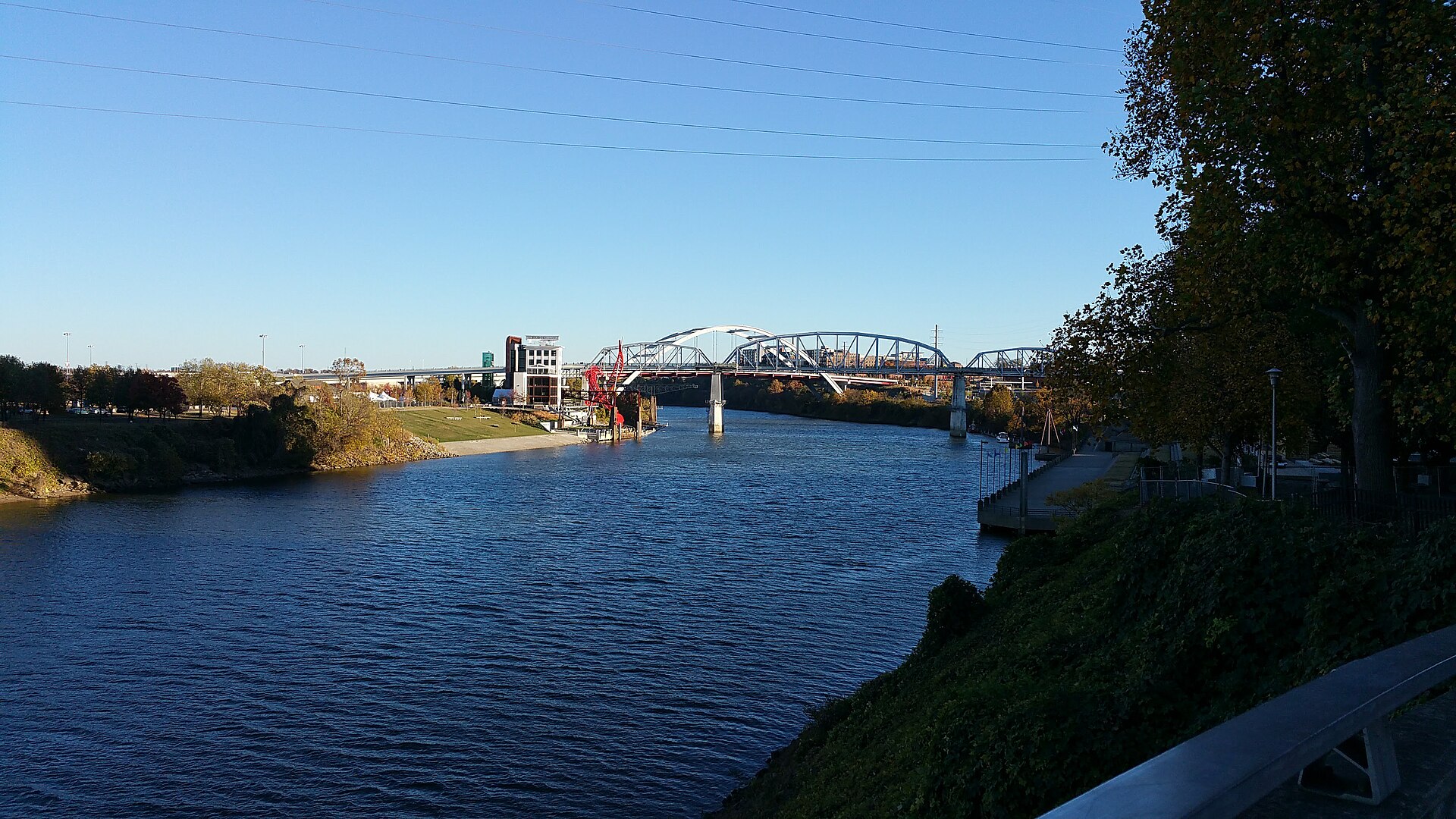
The civic investment that Germantown and East Nashville have attracted across their respective redevelopment cycles reflects Nashville’s recognition that the cultural and economic vitality of its most successful urban neighborhoods generates the tax revenue, tourism activity, and quality of life reputation that sustains the city’s broader growth trajectory. The public realm investments that Nashville has made in both neighborhoods, the streetscape improvements, the park upgrades, and the infrastructure renewal projects that have accompanied private development activity, represent the municipal commitment to ensuring that neighborhood growth produces shared public benefit rather than merely private profit.
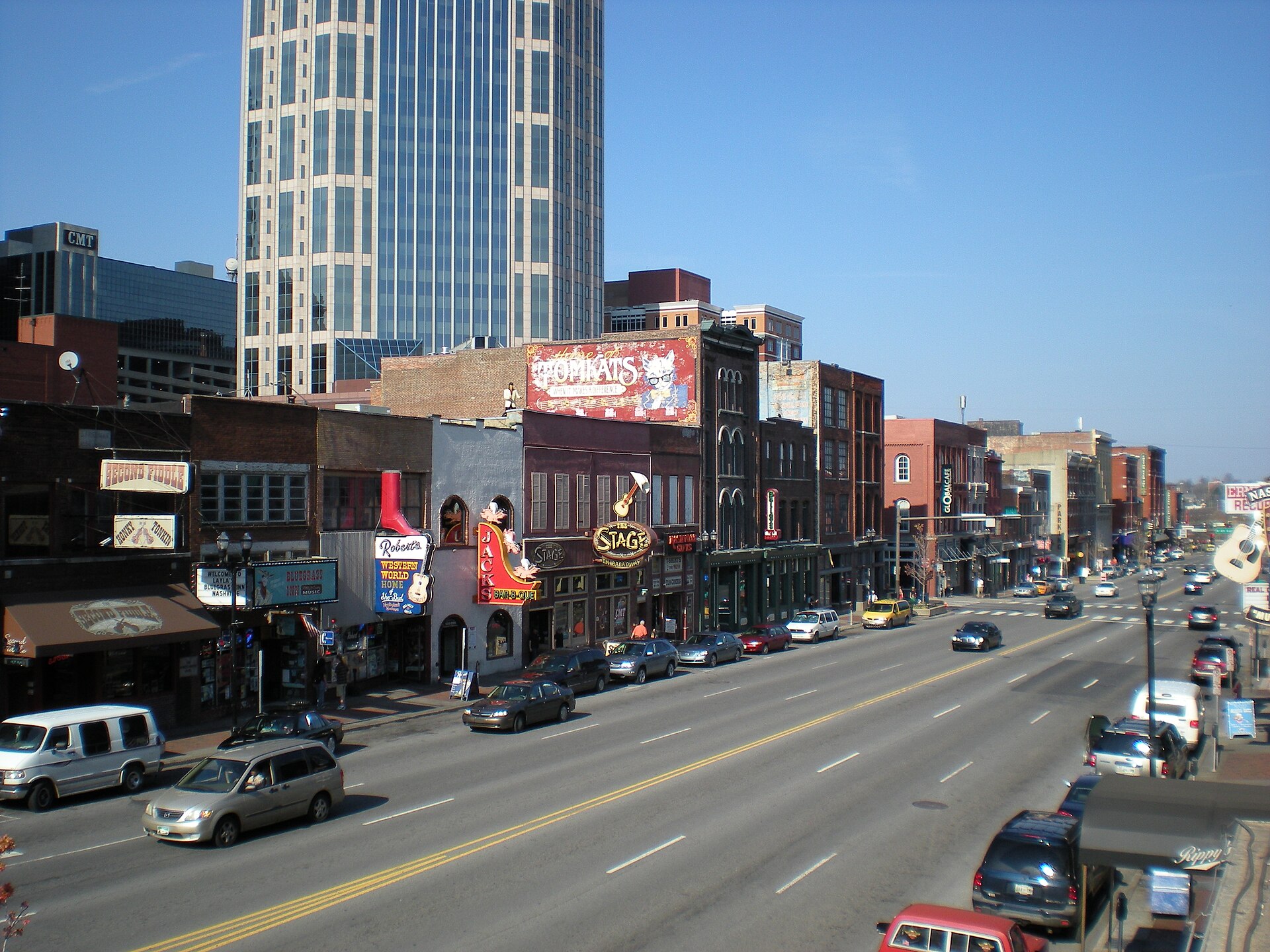
The Broadway Nashville entertainment district reflects the same pattern of concentrated civic and private investment that has driven Germantown and East Nashville’s transformation, its honky-tonk corridor and tourist infrastructure representing the commercial vitality that Nashville’s urban neighborhoods generate when public realm quality and private development activity reinforce each other. For Davidson County residents and anyone exploring the urban growth, historic character, and civic infrastructure of Nashville Tennessee, Germantown and East Nashville remain the most instructive and most closely watched examples of what thoughtful urban investment can accomplish in one of the American South’s most dynamic and most rapidly evolving cities.
