
A clean parking lot is not just about first impressions. It is one of the simplest ways to reduce puddling, protect storm drains, limit slip hazards, and avoid the slow decline that turns small drainage issues into expensive asphalt repairs.
If you are dealing with standing water after rain, constant mud tracking at entrances, or curb lines packed with leaves and sediment, parking lot cleaning is often the fastest place to start. The goal is twofold:

Many properties “look swept” in the middle of the lot but still have drainage problems because the real trouble is hiding where debris collects.
A practical parking lot cleaning program typically focuses on:
Sweeping alone can be enough for light litter. But if your goal is better drainage, you also need detail work along edges and around drains, because that is where sediment and organics build up.
Drainage issues in parking lots are often blamed on asphalt age or poor grading. Those matter, but maintenance is a major variable because debris changes how water moves.
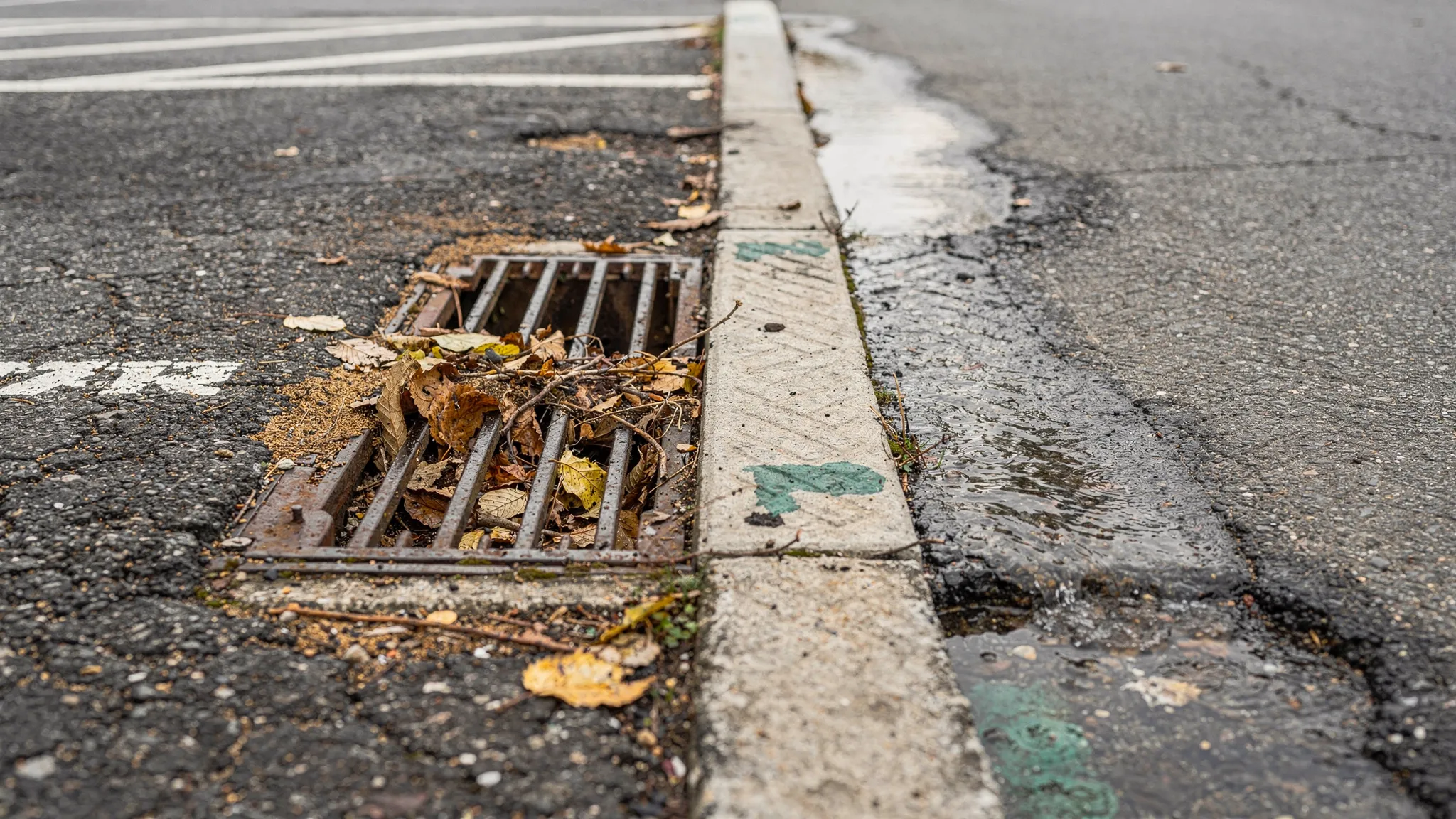
Leaves, mulch, gravel, and windblown trash accumulate where pavement meets curb. Over time, that ridge acts like a berm, keeping water from flowing to the nearest inlet.
Storm drains are designed for water, not for constant loads of grit, sand, and construction dust. When the throat of an inlet gets packed, water backs up quickly.
The U.S. Environmental Protection Agency emphasizes that stormwater runoff can pick up pollutants from impervious surfaces and carry them to local waterways, which is one reason many sites treat sediment control and good housekeeping as core best practices. (See the EPA overview of stormwater impacts.)
In Middle Tennessee, pollen, soil fines, and dry summer dust can build into a thin layer that is easy to ignore until rain hits. That film reduces traction and washes straight toward drains.
If you have nearby construction, bare soil, or gravel shoulders, mud and sediment get carried onto pavement. That material settles in low areas, along curb lines, and around inlets first.
If you want results you can see (and fewer puddles), treat parking lot cleaning as a system, not an occasional sweep.
Walk the lot after a rain, or review photos from staff. You are looking for:
This inspection keeps you from paying to sweep areas that are not driving complaints.
If curb lines are full, the lot can still look messy even after a standard sweep.
A strong “reset” visit typically includes:
Once those edges are clean, routine visits become more effective because you are maintaining, not digging out.
Cleaning around a drain is helpful, but it is not the same as ensuring the drain can accept water.
Practical steps that support drainage:
If inlets are consistently blocked or you suspect the catch basin is full, that moves beyond basic sweeping into drain maintenance and should be evaluated accordingly.
Not all “dirty pavement” is the same. Matching the method to the mess improves both appearance and drainage outcomes.
If you are evaluating options, Reliable Sweepers also covers the broader toolset in their guide to pavement cleaning services, including what to use when mud and fine dust are the main problems.
For curb appeal, a few zones disproportionately influence perception:
A good program prioritizes those areas every visit, then rotates deeper detail zones on a predictable cadence.
Cleaning is faster and less expensive when debris is not constantly reintroduced.
High-impact source controls include:
If you manage multiple site responsibilities, pairing exterior upkeep with seasonal building maintenance can help reduce emergencies. For example, this collection of home and kitchen appliance maintenance tips can be useful when you are planning preventive work orders beyond the parking lot.
Nashville and surrounding areas see strong seasonal swings that affect both appearance and drainage.
Spring brings heavy pollen and frequent rain, which turns surface dust into a film and moves debris into curb lines quickly. This is a good time for:
Dry conditions and construction generate fine material that migrates into drains with the next storm. Focus on:
Leaves are the classic drainage killer because they mat together, block grates, and pile in corners. Plan for:
Even mild winters create traction concerns when grit accumulates. Winter is a good time to:
Some properties can manage light sweeping in-house, especially small lots with minimal debris drivers. But drainage problems are often a sign you need either better equipment, better frequency, or both.
Consider bringing in a professional crew when:
If you are trying to dial in the right cadence, Reliable Sweepers breaks down the main frequency drivers in parking lot sweeping services: when and how often to sweep.
If you hire a vendor, drainage improvements happen when the scope is measurable. Instead of asking for “monthly sweeping,” define what clean looks like in the zones that control water flow.
Strong scope language usually includes:
If safety is part of your goal (it often is when drainage is involved), this pairs well with a broader risk approach like the one outlined in maintenance tips to reduce slip and trip risks.
Parking lot cleaning improves appearance quickly, but the bigger win is what you do not see: clearer inlets, cleaner curb lines, fewer puddles, and less sediment moving into stormwater infrastructure.
If your lot is holding water after rain or constantly looks messy around edges, focus your next cleaning plan on the flow path, curb lines, and drain areas, then maintain that baseline with a schedule that matches your traffic and debris drivers. For properties across Middle Tennessee, Reliable Sweepers can help you set a practical scope and schedule that keeps the site clean, compliant, and customer-ready.
