Hiring a cleaning vendor sounds straightforward until you compare quotes and realize everyone is bidding a different scope. In Nashville, that gap matters because rain-driven mud and sediment, construction track-out, event traffic, and seasonal leaf drop can turn “clean” into a safety problem or a compliance issue fast.
If you are evaluating cleaning companies in Nashville for a commercial property, job site, facility, HOA, or municipal area, use the nine questions below to clarify scope, reduce risk, and make sure you are buying results instead of “hours on site.”
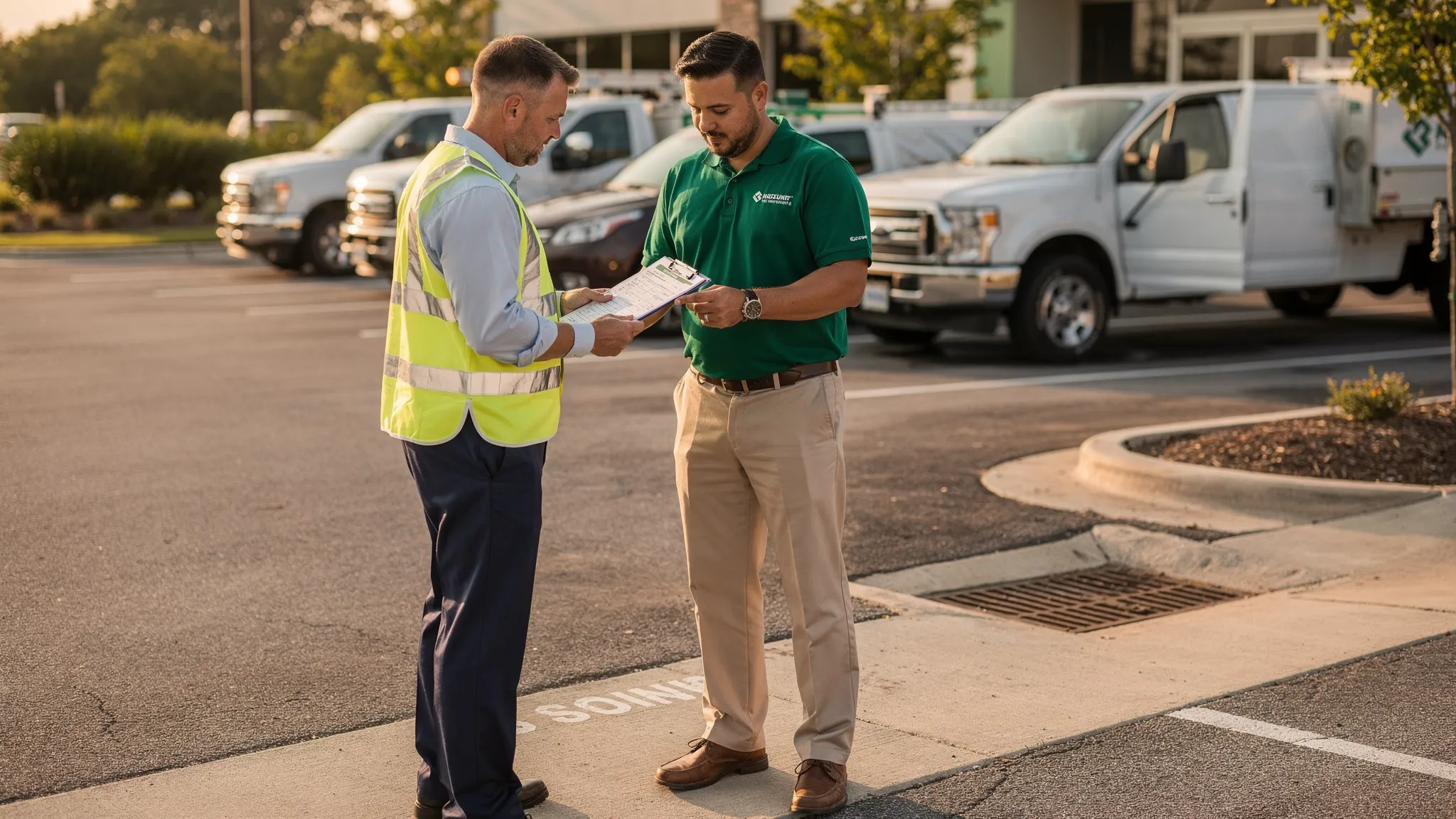
Different sites have different definitions of “clean,” and your vendor should align to the outcome you care about most:
A good provider will ask follow-up questions like “What triggers complaints?” “Where does debris accumulate?” and “Are inspections planned?” If the conversation stays vague, you are likely to get vague results.
Most cleaning disappointments come from unspoken assumptions: one party thinks dumpster pads are included, the other does not. Or “parking lot cleaning” excludes curb lines and storm drain inlets, which is where the mess actually lives.
Ask the company to break the work into zones and define boundaries, for example:
Then ask: “Who is responsible for debris removal and disposal?” A clean site is not just moved debris.
Cleaning is often performed around moving vehicles, pedestrians, and active operations. The vendor should be able to explain how they prevent incidents, not just how they clean.
At minimum, ask about:
For reference on why this matters, OSHA’s guidance on walking-working surfaces highlights how housekeeping and surface conditions directly impact slip and trip risk.
If a company cannot describe their safety process clearly, you should assume you are absorbing that risk.
Do not settle for “we’re insured.” Ask for a current certificate of insurance (COI) and confirm it matches the work type.
Examples where coverage details matter:
If your site requires additional insured status, confirm they can provide it. Also ask whether they use subcontractors, and if so, how those subs are insured and supervised.
Cleaning companies often specialize. A janitorial team, a pressure washing crew, and a street sweeping provider can all be “cleaning,” but they solve different problems.
Ask what methods they plan to use, and what they are trying to remove:
A credible vendor should explain the “why,” not just the tool list. If you need exterior sweeping or pavement cleaning, you can also sanity-check their approach against a practical guide like Reliable Sweepers’ post on pavement cleaning services.
In Nashville and across Middle Tennessee, stormwater is not an abstract concern. Debris and sediment in curb lines and storm drains can create real compliance exposure, especially on construction and industrial-adjacent sites.
Ask:
If the work touches construction stormwater requirements, it helps to understand the baseline rules. The EPA’s overview of the NPDES Construction General Permit is a useful starting point, and Tennessee’s stormwater permitting hub is maintained by TDEC.
A red flag is any vendor who implies stormwater best practices are optional, or who treats inlet areas as “someone else’s job.”
Two bids can look similar until the invoice arrives.
Ask the company to list:
This is especially important for exterior work where conditions change. For example, a property might be “routine clean” most weeks, but need a rapid reset after heavy rain, construction deliveries, or a wind event.
If you want a clearer picture of what a service day typically covers for exterior work, compare the vendor’s description to a scope-focused guide like cleanup services for commercial sites: what to expect.
In Nashville, real-world conditions matter: rain can create track-out, fall leaf drop can clog curb lines, and special events can spike litter overnight.
Ask:
Also ask for the vendor’s preferred “trigger list” for extra service, such as:
A provider that builds trigger-based flexibility into the plan usually prevents problems better than one that only shows up on a fixed calendar.
If you cannot verify it, you cannot manage it. Ask how the company confirms results and prevents repeat misses.
Strong answers include:
This matters most when you are hiring to prevent complaints, protect pavement, or support compliance. If you manage construction turnover, you may also want a punch-list mindset. Reliable Sweepers’ post-construction clean up punch list is a good example of how to make “done” measurable.
When you gather proposals, try to normalize the comparison before you choose a winner.
If a vendor cannot answer these nine questions clearly in writing, the service will likely be inconsistent in the field.
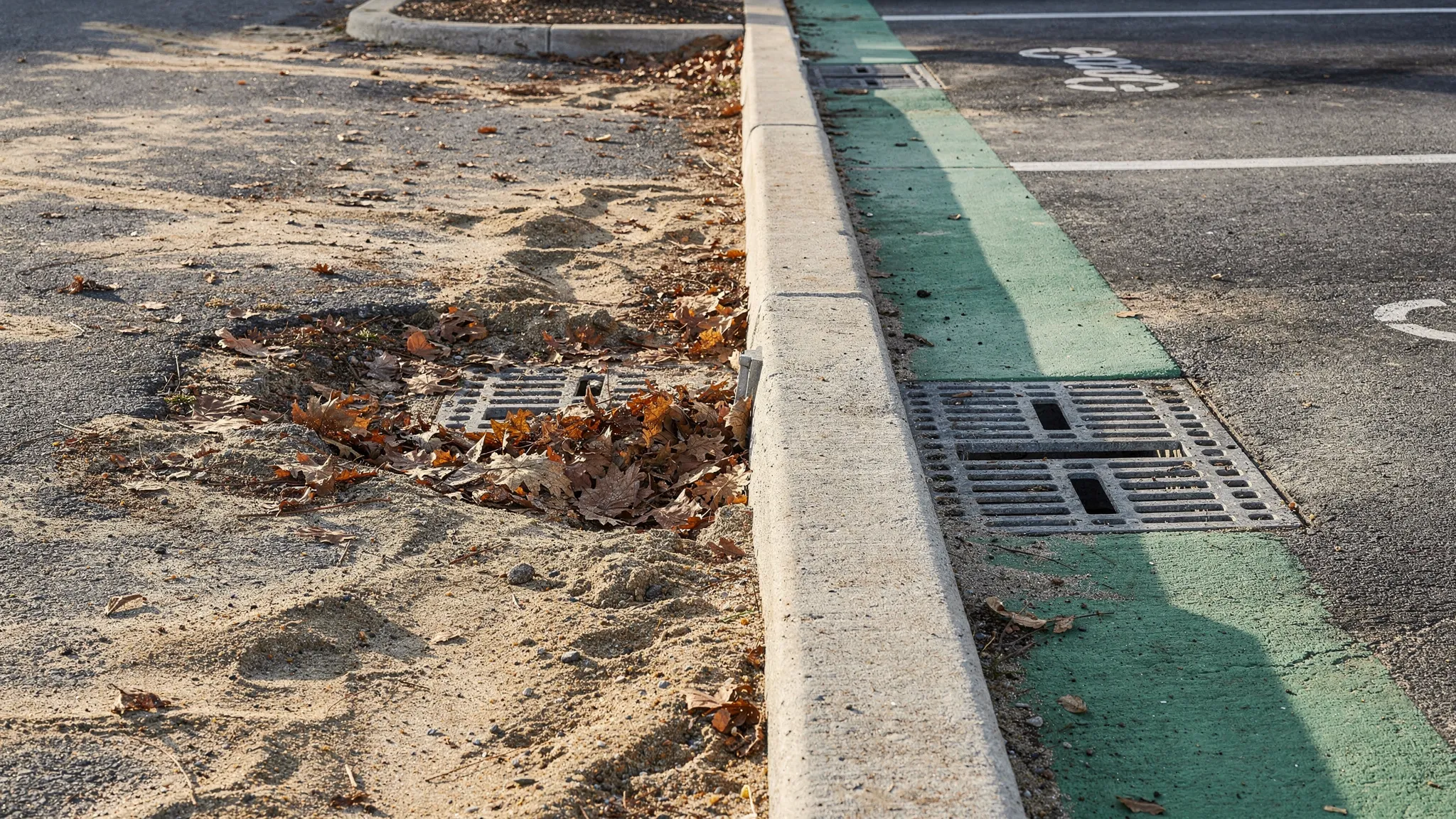
Many “cleaning companies in Nashville” are interior-first, which is perfect if your main problem is restrooms, floors, and interior common areas. But if your pain is outside, especially around pavement, curb lines, drains, and construction-adjacent conditions, you often need an exterior-focused partner.
Reliable Sweepers provides professional street sweeping and property maintenance across Middle Tennessee, with services such as construction site sweeping, parking lot and garage cleaning, magnet sweeping for metal debris, dust and mud control, and emergency response.
If you want to price or plan exterior sweeping specifically, these guides can help you scope it correctly before you request quotes:
If you are comparing providers for an exterior cleaning need in Nashville, you can contact Reliable Sweepers for a site walkthrough and a scope that matches your zones, debris type, and scheduling constraints.