
Industrial clean up services are not just about making a facility look presentable. For warehouses, manufacturing sites, distribution centers, trucking yards, and industrial parks, exterior cleanup protects traffic flow, reduces tire and slip hazards, supports stormwater housekeeping, and helps crews keep production moving.
The challenge is that industrial debris rarely stays in one place. Pallet fragments collect near dock doors. Metal bands and screws migrate into trailer lanes. Mud and aggregate build up at entrances. Wind pushes plastic wrap to fence lines and drains. A cleanup plan that only says “sweep the lot” often misses the areas that cause the most disruption.
A better approach is to scope industrial cleanup around three operational zones: yards, docks, and drives. Each zone has different debris, different traffic patterns, and different cleaning priorities.
Industrial properties see heavier wear than typical commercial lots. Trucks turn in tight radiuses, trailers sit for long periods, forklifts cross exterior aprons, and vendors come and go throughout the day. Small debris problems can quickly become operational problems.
Loose aggregate and sediment can reduce traction in truck lanes. Pallet nails and metal strapping can puncture tires. Dust can migrate from exterior pavement into dock areas and warehouses. Packed debris along curb lines can slow drainage after heavy Middle Tennessee rain.
There is also a compliance and safety angle. OSHA’s walking-working surface rule requires workplaces to be kept in a clean, orderly, and sanitary condition, including surfaces used by employees. You can review the general requirement in OSHA standard 1910.22. For many industrial sites, stormwater programs also emphasize good housekeeping practices that reduce pollutants from outdoor industrial areas. The EPA’s industrial stormwater resources explain how outdoor activities and exposed materials can affect runoff.
Professional cleanup does not replace a full safety or environmental program, but it can support both by removing loose material before it spreads, washes into drains, or creates avoidable hazards.
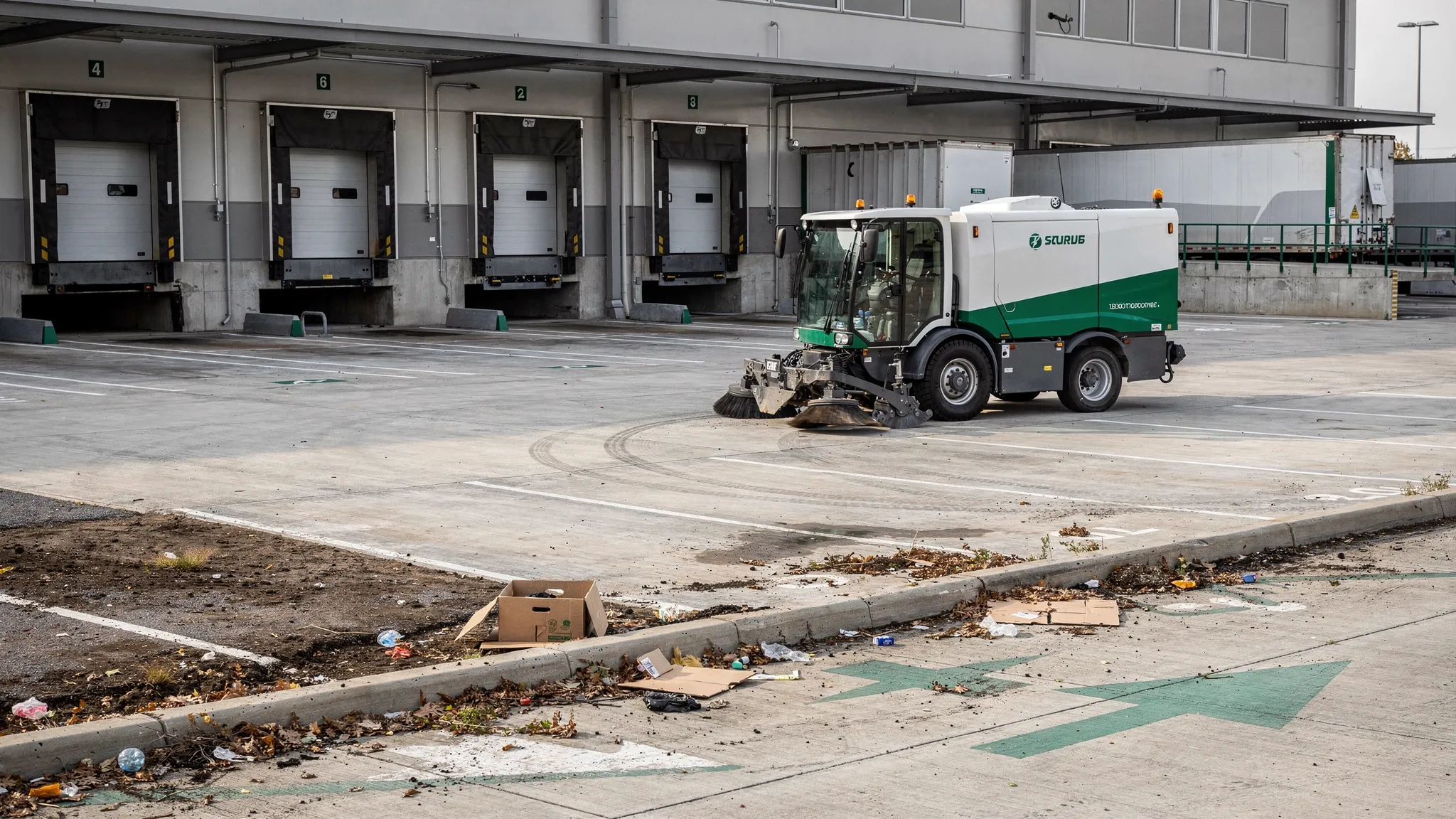
Industrial clean up services should be matched to the actual debris on the site. A paved distribution yard with packaging waste needs a different method than a manufacturing facility with metal fragments or a construction-adjacent site with mud track-out.
Common exterior industrial cleanup tasks include:
Just as important, the scope should define what is not included. Hazardous materials, chemical spills, contaminated liquids, deep stain removal, pressure washing, catch basin cleanouts, and waste hauling may require separate specialists or a different scope. Clarifying those boundaries prevents confusion on service day.
For a broader look at exterior cleanup expectations, see Reliable Sweepers’ guide to cleanup services for commercial sites.
Industrial yards are where debris tends to spread slowly and get ignored until it becomes a bigger problem. Trailer rows, container staging areas, employee overflow parking, outdoor storage edges, and fence lines all collect material that daily crews may not have time to address.
The goal in a yard is not perfection. The goal is to keep movement predictable. Trucks need clean turning paths. Yard dogs need clear lanes. Employees need visible walk paths. Drainage routes need to stay open enough to move water away from pavement and buildings.
High-priority yard areas include:
A practical yard cleanup often starts with bulk debris pickup, then moves into sweeping and edge work. If the yard has recurring tire damage or metal fragments, magnet sweeping should be part of the plan rather than an occasional add-on.
Middle Tennessee facilities should also account for clay soils and sudden rain. A yard that looks acceptable on Monday can become a track-out problem by Tuesday afternoon after deliveries, storms, and heavy turning traffic. That is why industrial cleanup works best with both a baseline schedule and event-based triggers.
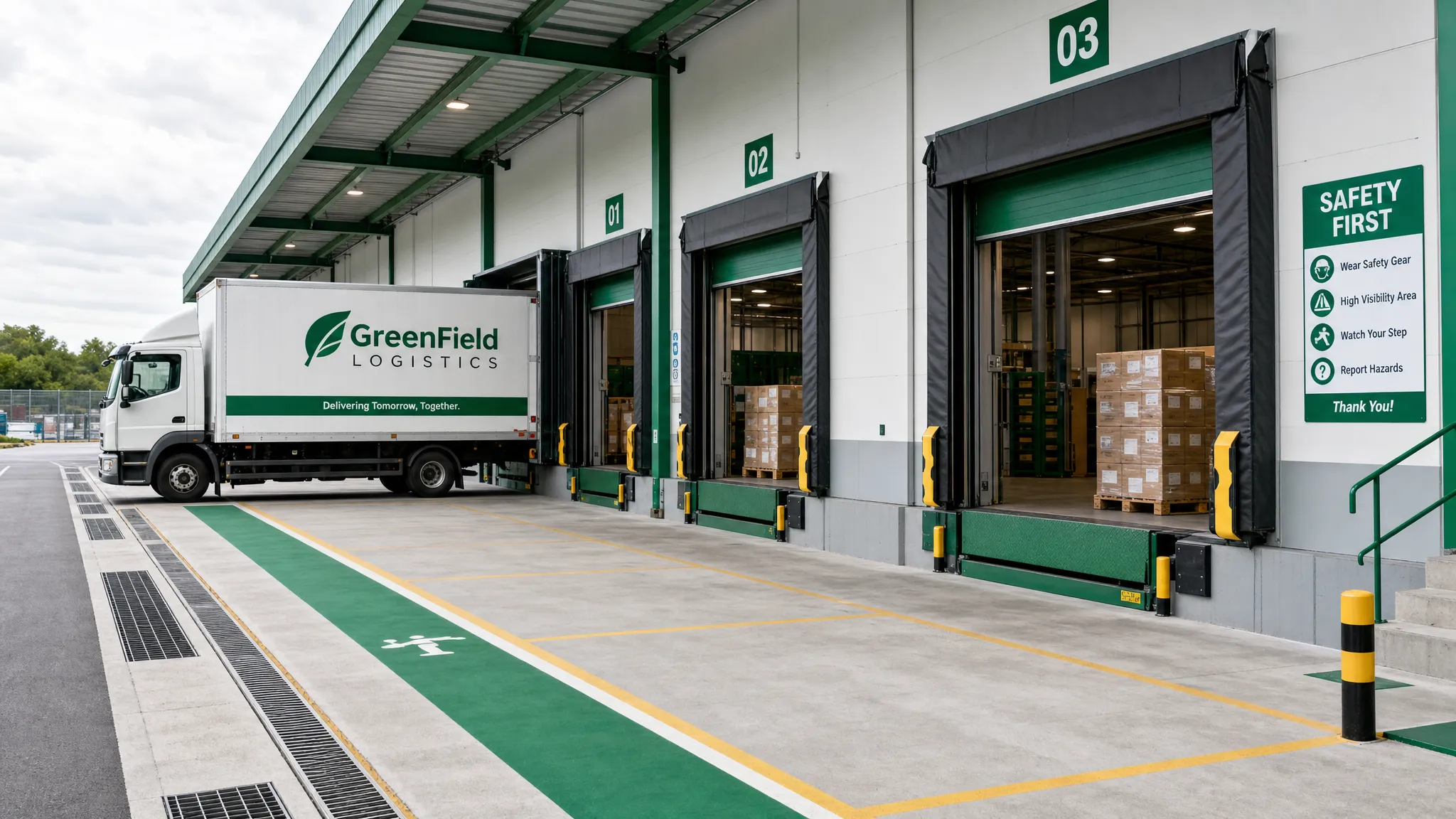
Loading docks are the most visible and operationally sensitive part of many industrial properties. They are also where debris is created constantly. Pallet splinters, plastic wrap, cardboard, seals, strapping, broken packaging, and metal fasteners collect around dock doors and trailer positions.
Unlike large open yards, dock areas have more people moving through tight spaces. Drivers exit trucks. Employees cross aprons. Forklifts and pallet jacks move in and out. A small amount of debris in the wrong place can create slip, trip, tire, or product contamination concerns.
Dock cleanup should focus on the working path, not just the open pavement. That includes dock aprons, door thresholds, wheel paths, pedestrian approaches, bollard areas, dumpster or compactor approaches, and the edges where debris gets pushed by wind or tires.
Timing matters. Sweeping a dock while outbound activity is at its peak may be inefficient or unsafe. Many facilities get better results by scheduling cleanup during shift changes, after shipping waves, during lower-traffic windows, or before a customer audit. For 24-hour operations, the scope should identify which doors or lanes can be cleaned in sequence so work does not block the entire dock.
If dust is the main concern, cleaning should still start dry when possible. Capturing loose material before adding water helps prevent slurry, tracking, and drain issues. When wet cleaning is needed, wash-water controls should be considered so debris is not simply moved into storm drains.
For warehouse-specific planning, Reliable Sweepers covers related best practices in facility cleaning for warehouses.
Industrial drives include private access roads, truck entrances, internal drive lanes, employee entrances, staging drives, and paved approaches to docks or yards. These areas connect the facility to public roads and neighboring properties, which makes them critical for appearance, safety, and track-out control.
Drive lanes often collect a mix of fine dust, tire-tracked mud, loose aggregate, leaves, and packaging debris. They also tend to have curb returns, storm inlets, tight turns, and stop-and-go areas where debris drops from trucks.
The most important drive cleanup zones are usually:
A clean drive does two things. First, it keeps debris from spreading deeper into the facility. Second, it reduces what leaves the property and reaches public pavement. That is especially important after rain, site work, paving, landscaping, or heavy inbound trucking.
If mud is visible at the entrance or on the public edge, sweeping should happen quickly. Waiting until the next routine service can allow sediment to spread, dry into dust, or wash toward drainage structures. Reliable Sweepers’ guide on pavement cleaning services explains how fast removal helps with mud, dust, and debris control.
Industrial cleanup is more effective when it follows a simple order. If the sequence is wrong, crews may sweep the same area twice or spread material into clean zones.
A field-tested sequence looks like this:
The “dry first” principle is important. Dry removal captures solids before they become slurry. Wet methods can be useful for certain residues, but they should not be the first response to loose dust, sediment, nails, pallet fragments, and packaging waste.
For a deeper breakdown of sequencing, see Cleaning and Sweeping: The Best Order for Faster Turnovers.
There is no single schedule that fits every industrial facility. A high-volume distribution center may need frequent dock and drive attention, while a lower-traffic storage yard may only need a monthly reset plus storm response.
A useful schedule combines routine service with trigger-based cleanup.
Baseline service creates consistency. It keeps recurring debris from building up and gives facility teams a predictable standard. Trigger-based service handles events that create sudden messes, such as rain, heavy trucking, wind, product spills, nearby construction, or pre-inspection needs.
Typical scheduling patterns include:
Good triggers for an extra cleanup include visible mud at entrances, metal fragments near dock positions, sediment collecting at drains, windblown debris along fence lines, customer or carrier complaints, upcoming inspections, and any event that creates a sudden safety concern.
A vague cleanup request usually produces uneven results. The best scopes are specific enough to guide the crew but flexible enough to let the provider use the right equipment and method.
Your scope should answer five questions.
Separate the property into yards, docks, drives, parking, public edges, dumpster areas, and stormwater-sensitive zones. If the whole property cannot be cleaned every visit, rank the zones by operational risk.
List the common materials: dust, mud, aggregate, leaves, plastic wrap, cardboard, pallet fragments, metal banding, screws, nails, and general litter. The debris profile determines whether the service needs sweeping, pickup, magnet sweeping, detail work, or dust and mud control.
Define the outcome in observable terms. For example, dock aprons are free of loose pallet fragments and metal debris. Drive lanes are free of visible mud track-out. Curb lines are not holding heavy sediment. Storm drain approaches are clear of loose trash and buildup.
Provide gate access, traffic windows, active dock schedules, shift change times, and any areas that require escort or coordination. Industrial cleanup depends on access. If trailers, parked vehicles, or active loading block key areas, the result will suffer.
Simple verification is usually enough. Before-and-after photos of priority zones, service notes, and exception reporting help facility managers know what was cleaned and what was blocked or excluded.
Magnet sweeping is especially valuable for industrial sites because metal debris is common and costly. Nails, screws, pallet staples, wire, and strapping can come from pallets, maintenance activity, construction, damaged packaging, and trailer movement.
A mechanical sweeper may remove some visible metal, but magnet sweeping targets ferrous debris that can puncture tires or create hazards in pedestrian and equipment paths.
Consider magnet sweeping when:
Magnet sweeping is not a substitute for good housekeeping inside the facility, but it is a practical exterior control for yards, docks, and drives where metal debris can spread quickly.
Professional cleanup works best when paired with simple daily habits from the facility team. In-house crews do not need to do everything, but they can reduce buildup between scheduled services.
A practical in-house routine might include daily dock trash pickup, immediate removal of broken pallets, keeping dumpster areas closed and contained, reporting mud track-out early, and moving trailers or stored materials before scheduled cleanup when possible.
Professional crews are usually worth calling when the area is large, the debris is widespread, fine dust or sediment needs equipment-based removal, metal fragments require magnet sweeping, access roads need fast cleanup, or an emergency response is needed to keep operations moving.
This division of labor keeps employees focused on core work while still preventing small debris issues from becoming expensive operational problems.
The right provider should understand that industrial cleanup is about uptime, safety, drainage, and accountability. Equipment matters, but process matters just as much.
When comparing providers, ask how they handle active truck traffic, what equipment they use for different debris types, whether magnet sweeping is available, how they protect storm drains, what access they need, and how quickly they can respond to urgent cleanup requests.
You should also ask what happens if key zones are blocked. A reliable provider should document blocked areas and communicate exceptions instead of marking the job complete without context.
Reliable Sweepers provides exterior sweeping and property maintenance services across Middle Tennessee, including industrial warehouse sweeping, construction site cleanup, asphalt paving cleanup, parking lot and garage cleaning, magnet sweeping, dust and mud control, and emergency response services. For industrial sites, that means cleanup can be scoped around the areas that affect operations most: yards, docks, and drives.
What are industrial clean up services? Industrial clean up services are exterior cleaning and debris-control services for facilities such as warehouses, manufacturing sites, trucking yards, industrial parks, and distribution centers. They often include sweeping, debris pickup, dock apron cleaning, magnet sweeping, dust control, mud control, and emergency cleanup.
How often should an industrial yard be swept? Frequency depends on truck traffic, debris type, weather, drainage sensitivity, and customer or inspection requirements. Many facilities use a routine baseline schedule, then add trigger-based cleanups after rain, heavy deliveries, wind events, construction activity, or visible track-out.
Do loading docks need a different cleaning plan than yard areas? Yes. Loading docks have more pedestrian activity, forklift movement, packaging debris, pallet fragments, and metal fasteners. Dock cleanup should focus on working paths, dock aprons, door approaches, wheel paths, and debris that can affect safety or loading efficiency.
When is magnet sweeping necessary? Magnet sweeping is useful when metal debris is present or likely, including nails, screws, pallet staples, wire, and metal banding. It is especially valuable near dock doors, trailer rows, maintenance areas, construction-adjacent zones, and sites experiencing tire punctures.
Can industrial cleanup help with stormwater housekeeping? Yes, exterior cleanup can reduce loose sediment, trash, dust, and debris before it reaches curb lines or storm drain approaches. It should be part of a broader site housekeeping plan, and crews should avoid pushing or rinsing debris into drains.
What should I provide when requesting a quote? Share the property type, priority zones, debris concerns, access windows, photos if available, whether magnet sweeping is needed, and any urgent triggers such as mud track-out, complaints, inspections, or blocked drainage paths.
A clean industrial site is easier to move through, easier to manage, and easier to keep compliant. When yards, docks, and drives are cleaned with the right sequence and schedule, debris is removed before it damages tires, slows trucks, creates complaints, or washes into problem areas.
If your Middle Tennessee facility needs a site-specific cleanup plan, contact Reliable Sweepers to discuss industrial sweeping, magnet sweeping, dust and mud control, and emergency cleanup options tailored to your operation.