
Street sweeping is one of the fastest ways to reset a paved site, but it is not a catch-all solution. A sweeper is built to capture loose material from pavement, curb lines, drive lanes, and parking areas. It is not designed to lift broken pallets, remove dumped furniture, collect heavy mud piles, or make unsafe metal debris disappear without the right sequence.
That is where debris pickup comes in. For Nashville construction sites, commercial properties, industrial yards, HOAs, and municipal routes, the question is not usually “pickup or sweeping?” The better question is, what needs to be picked up first so sweeping can actually work?
This guide explains when sweeping alone falls short, how to decide whether debris pickup in Nashville is needed, and how to scope the work so your site gets cleaner without wasting time or paying for the same mess twice.
Professional sweeping is highly effective for loose, spread-out material on pavement. Think dust, grit, leaves, small trash, loose aggregate, sediment trails, and material gathered along curb lines. On routine parking lots, streets, garages, and warehouse aprons, sweeping keeps the site cleaner, protects drainage paths, and reduces complaints.
But sweeping has limits. If debris is too large, too heavy, too wet, too sharp, or too concentrated, a sweeper may leave material behind, push it into piles, clog, or risk equipment damage. In those cases, pickup, sorting, or hand work needs to happen before or alongside sweeping.
A good cleanup plan treats debris pickup as the setup step. Once bulky and hazardous material is removed, sweeping can do what it does best, finish the pavement, reset edges, and leave the site in a maintainable condition.
If a site still looks messy after a sweep, the problem may not be poor sweeping. The problem may be that the wrong service was asked to solve the wrong debris type. Watch for these signs before scheduling your next cleanup.
The goal is simple: remove what a sweeper cannot safely capture, then sweep what remains.
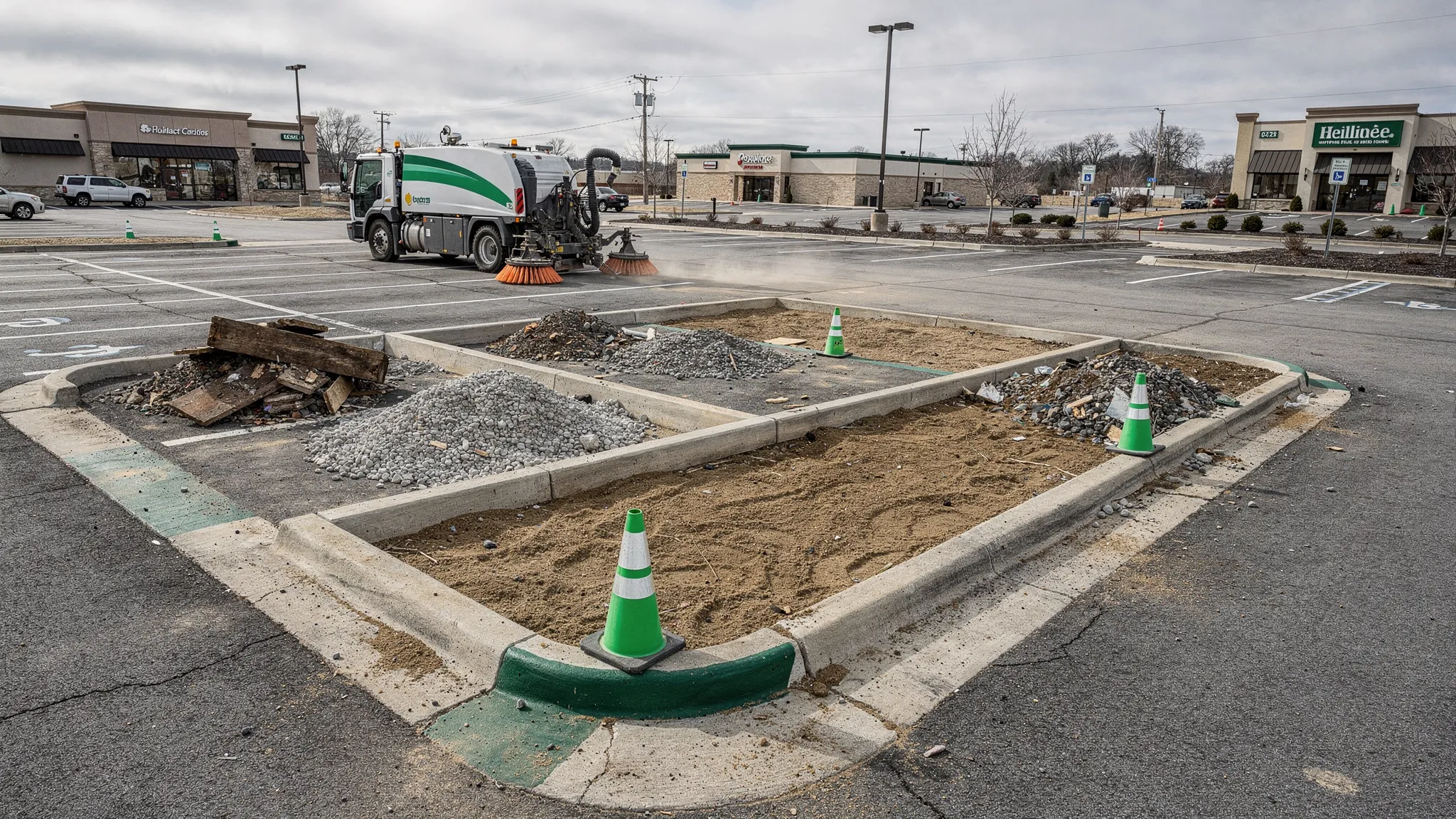
Nashville’s exterior cleanup challenges are not random. Heavy development, active job sites, clay soil, tree cover, storms, events, and high-traffic commercial corridors all add debris pressure to paved surfaces. A site can look acceptable one afternoon and have track-out, broken packaging, leaves, or runoff sediment by the next morning.
This is more than a curb appeal issue. Debris affects safety, drainage, compliance, and operations. Loose aggregate can contribute to slip and trip conditions. Nails and wire can damage tires. Sediment at curb lines can migrate toward drains. Wind-blown trash can trigger tenant and customer complaints.
Stormwater is a key concern. The EPA’s construction stormwater guidance emphasizes controlling sediment and pollutants before they leave a site. Locally, Metro Nashville’s stormwater program focuses on protecting drainage systems and waterways from polluted runoff. For property managers and contractors, that means cleanup should keep material out of gutters, inlets, and public streets whenever possible.
Sweeping helps, but only when the debris is appropriate for sweeping. When material is bulky or concentrated, pickup is the difference between moving the mess around and actually removing it.
Before calling for service, walk the site and answer four questions. This quick triage helps you avoid vague scopes and get a cleaner result.
Loose dust, leaves, gravel, and small litter are usually good sweeping candidates. Nails and screws may call for magnet sweeping. Pallets, lumber, plastic wrap bundles, cardboard stacks, dumped trash, and heavy mud piles need pickup or removal first.
If the material may be hazardous, regulated, or contaminated, pause before scheduling normal cleanup. Chemicals, paint, fuel, asbestos-containing materials, medical waste, and unknown liquids require appropriate handling by qualified providers. A sweeping contractor should not be asked to handle materials outside the agreed scope.
Debris in drive lanes, curb lines, loading docks, construction exits, and stormwater paths should be prioritized because it affects access and risk. Debris against fences, landscape edges, or dumpster pads may need hand pickup before a sweeper can reach the pavement effectively.
Location also affects timing. A pile near a storm drain before rain is more urgent than light litter in a remote back corner.
A thin layer of dry dust can usually be swept. A compacted mound of wet clay cannot be treated the same way. If material is stuck, packed, tangled, or mixed with large items, plan for pickup and prep work before sweeping.
A clear standard prevents callbacks. For example, “remove bulky debris from the dumpster pad, collect visible trash along the north curb line, magnet sweep around the construction entrance, then sweep the main drive lane and parking stalls.” That is much stronger than “clean up debris.”
Many exterior cleanup problems come from doing the right tasks in the wrong order. If you sweep before removing bulky material, the sweeper may miss edges, push debris into inaccessible areas, or need a second visit. A better sequence is dry-first, pickup-first, then sweep.
Before cleanup begins, identify traffic conflicts, pedestrian routes, active loading areas, and any obvious hazards. If crews need to work near entrances, dock lanes, or public-facing edges, coordinate timing so the work can happen without creating a new risk.
For busy properties, this may mean early morning, evening, or off-peak scheduling. On construction sites, it may mean cleaning after heavy deliveries, after grading activity, or before inspection windows.
Large debris should be removed before mechanical sweeping. This includes pallets, lumber, packaging, broken signage, plastic wrap, large branches, abandoned items, and trash piles. Once those items are out of the way, the sweeper has better pavement contact and can clean more consistently.
If disposal or hauling is needed, clarify who is responsible before work starts. Some material can be consolidated into an onsite dumpster if allowed by the property or general contractor. Other material may require a separate waste hauler.
On construction sites, paving projects, warehouses, and loading areas, metal debris is often the hidden problem. Screws, nails, wire, and metal strapping can remain after visible cleanup is complete. Magnet sweeping helps reduce tire hazards and supports a cleaner handoff.
This is especially useful after framing, roofing, tenant build-outs, pallet breakdown, equipment moves, and post-construction turnover.
After bulky material and metal hazards are addressed, mechanical sweeping can remove loose dust, grit, sediment, leaves, and small debris. This is where the site begins to look truly reset. Curbs, gutters, entrances, and drive lanes should receive attention because debris naturally collects along edges and traffic paths.
For more detailed guidance on sequencing, Reliable Sweepers has a related guide on cleaning and sweeping in the right order.
Do not judge the job only from the center of the lot. Walk curb lines, drain inlets, dumpster pads, loading docks, exits, and pedestrian paths. These are the areas most likely to hold leftover debris and create complaints.
Photos before and after service can help property managers, superintendents, and facility teams document progress, especially when cleanup is tied to inspections, tenant turnover, or weather response.
Different property types create different debris patterns. The right plan depends on where the debris is coming from and what risk it creates.
Construction sites often need a combination of pickup, magnet sweeping, dust and mud control, and street sweeping. Track-out at exits, scattered fasteners, packaging waste, aggregate, and curb-line sediment can all appear in the same week.
Sweeping alone may handle loose dust and roadway debris, but it will not solve lumber scrap, excess packaging, or concentrated mud. For active projects, use a baseline sweeping schedule plus trigger-based pickup after heavy deliveries, storms, framing, roofing, paving, or major subcontractor activity. See Reliable Sweepers’ guide to construction job site cleanup tips for more ways to prevent delays.
Commercial lots usually need routine sweeping for litter, leaves, and curb-line buildup. Pickup becomes important when there is dumpster overflow, abandoned items, storm debris, broken landscape material, or trash concentrated around tenant service areas.
A clean front drive with a messy dumpster pad still creates complaints. For retail and mixed-use properties, define front-of-house and back-of-house standards separately so the scope covers both appearance and operations.
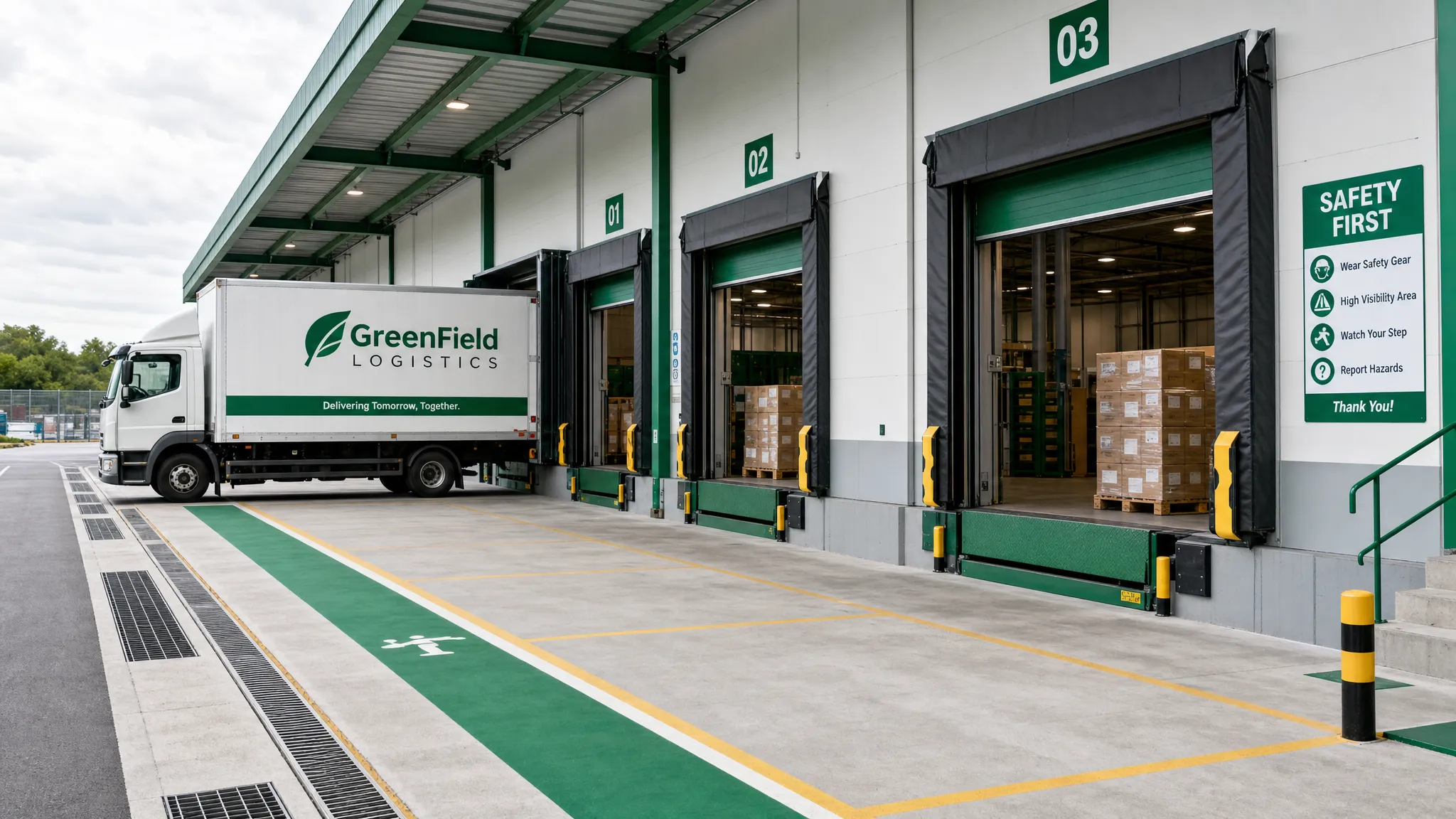
Industrial sites often deal with pallet fragments, shrink wrap, metal strapping, dust, gravel, and dock-area debris. Pickup is important because long, tangled, or sharp material may not sweep cleanly. Magnet sweeping is also useful where trucks and forklifts are exposed to fasteners or metal fragments.
For these sites, the best plan usually separates dock aprons, trailer rows, dumpster zones, and employee parking areas into different cleaning priorities.
Neighborhood streets may need sweeping for leaves, grit, and curb buildup, but pickup may be needed after storms, illegal dumping, landscape work, or community events. Branches, bags, furniture, and large debris should be removed before sweeping curb lines.
This is especially important near storm drains and low areas where debris can block flow during heavy rain.
Paving creates its own cleanup needs. Loose aggregate, asphalt chunks, tack-related debris, and edge buildup can interfere with final appearance and follow-on work. Sweeping helps prepare and reset surfaces, but larger chunks and concentrated piles should be collected first.
If striping, sealcoating, or turnover is next on the schedule, sequencing cleanup correctly can reduce rework.
The more specific your request, the better the result. A good scope does not need to be complicated, but it should tell the provider what exists, where it is, and what outcome you expect.
Include these details when requesting service:
Also define exclusions. If there are liquids, hazardous materials, heavy dumped items, appliances, tires, or regulated waste, identify them early so the right provider can be involved. Clear exclusions protect everyone and prevent confusion on service day.
Debris pickup and sweeping costs depend on more than square footage. A small site with difficult access and heavy mixed debris can take longer than a larger site with light surface litter. The biggest cost drivers are usually debris volume, material type, labor needs, disposal requirements, traffic control, equipment access, urgency, and whether multiple passes are required.
You can often reduce cost by consolidating debris before service, keeping access lanes open, moving parked vehicles when possible, scheduling after messy work is complete, and providing photos in advance. Photos help the crew understand whether the job needs pickup, sweeping, magnet sweeping, or a combination.
Avoid the cheapest scope if it only covers the easy part. A low-cost sweep that leaves bulky debris behind may still require a second cleanup. It is usually better to scope the complete sequence once than to pay for repeated partial visits.
Some debris problems cannot wait for the next routine visit. Call for faster response when debris creates a safety hazard, blocks access, threatens storm drains, affects a public roadway, or could delay an inspection or turnover.
Common emergency triggers include mud track-out after rain, wind-blown construction debris, metal fragments in traffic areas, post-storm branches and sediment, and material spilled near entrances or loading zones. Reliable Sweepers offers emergency response services across Middle Tennessee for exterior cleanup needs that require timely attention. You can also review this related guide on emergency clean up services to prepare your team before a problem occurs.
What is the difference between debris pickup and street sweeping? Debris pickup focuses on collecting bulky, heavy, awkward, or concentrated material that a sweeper may not capture well. Street sweeping removes loose surface debris, dust, grit, leaves, and small litter from pavement, curb lines, and drive lanes. Many sites need both.
Can a sweeper remove construction debris? A sweeper can remove loose dust, sediment, small aggregate, and some light debris, but it is not a substitute for pickup of lumber, pallets, large scrap, wet mud piles, or hazardous materials. Construction sites often need pickup, magnet sweeping, and mechanical sweeping in sequence.
When should I schedule debris pickup in Nashville? Schedule pickup when debris is bulky, sharp, wet, piled, blocking drains, affecting access, or creating complaints. It is especially useful after storms, heavy deliveries, subcontractor work, paving, tenant improvements, or illegal dumping.
Does debris pickup include disposal? It depends on the scope. Some material may be consolidated onsite, while other debris may require approved disposal or a separate hauler. Confirm disposal responsibilities, exclusions, and any regulated material requirements before work begins.
How do I know if magnet sweeping is needed? Magnet sweeping is a smart add-on when nails, screws, wire, metal strapping, or other ferrous metal fragments may be present. It is commonly used on construction sites, warehouses, paving projects, and loading areas where tire damage is a concern.
When sweeping alone falls short, the solution is not guesswork. It is the right sequence: pick up bulky debris, address metal hazards, control mud and dust, sweep the pavement, and verify the high-risk zones.
Reliable Sweepers provides professional street sweeping and property maintenance services across Nashville and Middle Tennessee, including construction site sweeping, asphalt paving cleanup, industrial warehouse sweeping, parking lot and garage cleaning, neighborhood and HOA sweeping, municipal sweeping, magnet sweeping, dust and mud control, and emergency response.
If your site needs debris pickup in Nashville or a cleanup plan that combines pickup, sweeping, and documentation, contact Reliable Sweepers to discuss a site-specific approach that keeps your property clean, safer, and on schedule.