
Delays don’t always come from the big issues (design changes, long-lead materials, or weather). On active builds, many schedule slips start with smaller “site friction” problems: blocked access, debris in work zones, mud track-out that triggers a stop-work conversation, or a failed inspection because the edges and drains were neglected.
A tight construction job site clean up routine is one of the simplest ways to protect the schedule because it removes obstacles that slow crews down, force rework, and invite compliance problems.
Cleanliness is a production control tool. When exterior areas stay clear and predictable, trades can move, deliveries can happen, and inspections go smoother.
Here are the common delay mechanisms that start as “just housekeeping”:
OSHA expects workplaces to be kept clean and orderly, including keeping work areas and walking-working surfaces clear. See OSHA’s construction housekeeping references in 29 CFR 1926.
Many teams say “keep it clean,” but delays drop when you define pass/fail outcomes tied to the next operation.
Examples of “clean to proceed” standards that prevent hold-ups:
If you want a deeper phase-based approach, pair this article with a timing playbook like Construction Sweeping: Best Times to Sweep During a Project.
In lean terms, debris and disorder are constraints that reduce flow. The fix is to make exterior cleanup predictable:
Reliable Sweepers’ checklist-style guidance can help you formalize this quickly: Building Site Clean Up Checklist for Safer, Faster Projects.
If you only have budget or time for one exterior priority, make it the routes that keep the project moving:
When these zones degrade, you lose time twice: once to work around the mess, and again to fix it under pressure.
A practical move that helps: schedule a quick “edge reset” at the start of each week, then trigger an extra sweep after rain or heavy deliveries.
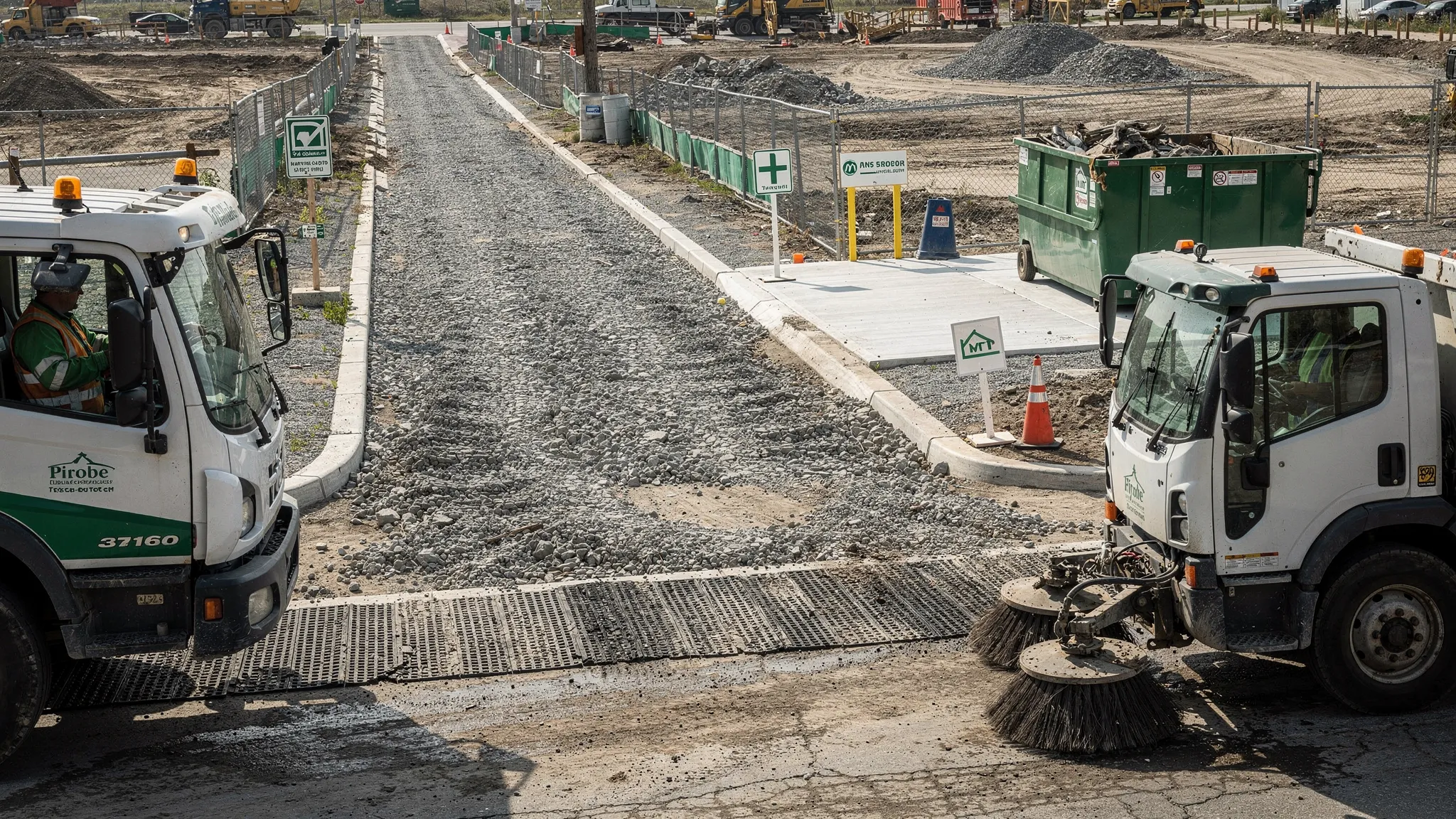
Mud track-out is a classic delay creator in Nashville and Middle Tennessee because rain can turn soil into slick, mobile sediment fast.
Good track-out control is less about one device and more about a system:
When track-out is already on the street, the fastest schedule protection is usually to capture it with sweeping and debris removal (not rinsing it toward drains). For stormwater-friendly methods, see Nashville Environmental Cleaning: Stormwater-Friendly Cleanup Basics.
Debris concentrates at edges. Inspectors and owners look there because it tells them whether the site is being managed.
A delay-prevention routine that works:
For background on stormwater expectations, the EPA’s construction stormwater resources are a good reference point: EPA NPDES construction stormwater.
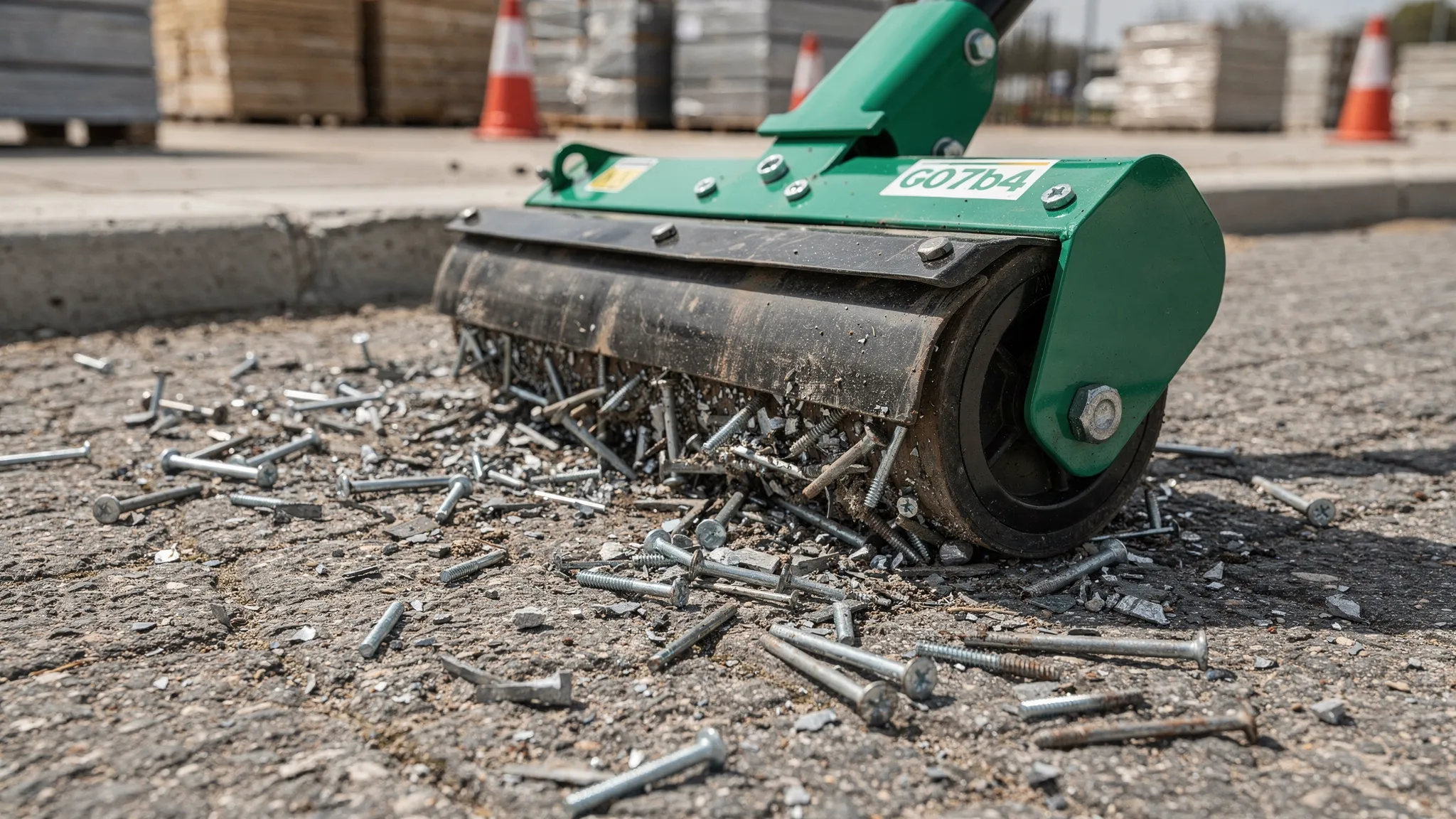
Loose metal is more than a flat-tire issue. Nails and tie wire can delay paving, striping, final walks, and punch work because they create safety incidents and re-cleaning.
Magnet sweeping pays off most when timed to high-risk transitions, for example:
If metal keeps “reappearing,” it usually means the site needs a tighter scrap capture routine upstream plus a repeatable magnet pass.
Overflowing scrap areas cause delays in surprising ways: blocked access, missed hauls, extra handling, and safety stand-downs.
The fix is usually operational, not heroic cleanup:
If you’re seeing repeated debris piles that require more than sweeping, this guide helps you decide when removal needs to be added: Nashville Debris Removal Services: When Sweeping Isn’t Enough.
One of the most common schedule wastes is cleaning a zone before messy work is actually done. The result is predictable: the area gets dirty again, you pay again, and you still scramble at the end.
Instead, coordinate cleanup to protect critical milestones:
If you want a practical sequence that reduces rework, use the “dry first, then wet” approach described in Cleaning and Sweeping: The Best Order for Faster Turnovers.
When an inspection, owner walk, or major delivery is coming, the goal is not perfection across the entire property. It’s removing the issues most likely to slow the day down.
Use this simple 48-hour routine:
For a more detailed timeline, reference Site Cleaning: What to Do Before a City Inspection.
In-house cleanup is essential, but there are clear signs you need a sweeping partner to prevent schedule hits:
That’s where a dedicated construction sweeping crew can handle the heavy exterior capture work (mechanical sweeping, magnet sweeping, mud and dust control) while your teams stay focused on build tasks. If you need same-week help after an event, Emergency Clean Up Services: Rapid Response for Job Sites outlines what to prepare so dispatch is faster.
What is the fastest way to reduce delays caused by exterior mess on a job site? Tie cleanup to access and milestones: keep the entrance, haul routes, and public edge clean, then add trigger-based sweeping after rain, pours, and heavy deliveries.
How often should construction job site clean up happen to prevent delays? Daily light housekeeping plus a baseline exterior sweep (often weekly) works for many sites, but the real key is trigger events like storms, grading, paving, and inspections.
Should we pressure wash mud track-out off the street? Usually no. Best practice is dry capture first (sweeping, pickup, vacuuming) so sediment is not pushed into storm drains. Wet cleaning should include containment and recovery when required.
When should magnet sweeping be scheduled? After phases where fasteners migrate and before transitions that increase exposure, such as paving, striping, final walks, and turnover.
What areas fail inspections most often due to poor cleanup? Curb lines, corners, inlets/storm drains, construction exits, and dumpster pads are frequent trouble spots because debris concentrates there and is easy to verify.
Reliable Sweepers supports contractors across Middle Tennessee with construction site sweeping, magnet sweeping, dust and mud control, asphalt paving cleanup, and emergency response. If your project needs a baseline plan plus trigger-based support after weather, pours, or inspections, start with a quick site walk and a scope that matches your schedule.
Request service details at Reliable Sweepers or explore planning resources like Construction Site Cleaning: What Gets Missed Most Often to tighten up your next cleanup window.
Reliable Sweepers provides comprehensive street sweeping and property maintenance services across Middle Tennessee. Whether you're managing a construction site, commercial property, or residential development, our experienced team delivers the professional cleaning solutions you need.