City inspections rarely fail because of one big problem. They fail because of a handful of small, visible issues that signal the site is not controlled, not safe, or not compliant. Mud tracked into the street, sediment around storm drains, loose trash at the perimeter, nails in a drive lane, dust blowing off stockpiles, these are all “site cleaning” problems that inspectors can spot quickly.
If you have an inspection coming up (construction, civil, municipal, or a public right-of-way check), the goal is simple: make the site look managed and prevent your work from impacting the street, stormwater system, and public areas.
Below is a practical, field-ready plan you can run 72 hours before inspection through the morning of.
Most city inspectors (and third-party compliance folks) focus on outcomes, not effort. They want to see that:
You do not need a perfect site. You need a site that is clearly being maintained.
If your inspection is related to stormwater compliance, it can help to align your cleanup with EPA best practices under the Construction General Permit framework (even when your local requirements differ). A good starting reference is the EPA NPDES construction stormwater page.
At this stage, do not detail-clean yet. First, eliminate the highest-impact problems that take the longest to fix.
1) Walk the perimeter and the path to the street
Do a slow loop from the gate/drive to the nearest public curb line and storm drains.
Look specifically for:
2) Assign zones and ownership
Cleaning fails when “everyone” owns it. Give each zone a name and a person.
Common zones that matter for inspections:
3) Do rough cleanup first (one-touch removal)
Pick and remove what should not be there:
If your crew is tempted to “push it to the edge,” stop that habit before inspection week. Edges and curb lines are where inspectors look.
Now you switch from bulk cleanup to the areas that generate inspection notes.
1) Control track-out at the entrance
Track-out is one of the fastest ways to fail a city look.
Minimum standard:
If you need a deeper approach, pair stabilized entrance practices with professional sweeping. Guidance varies by jurisdiction, but the principle is consistent: prevent sediment and debris from leaving the site.
2) Reset curb lines and gutter paths
Curb-and-gutter is where sediment collects, and where runoff carries it.
Avoid “cleaning” by washing fines into the gutter. Dry removal is typically the safer compliance posture, especially around storm drains.
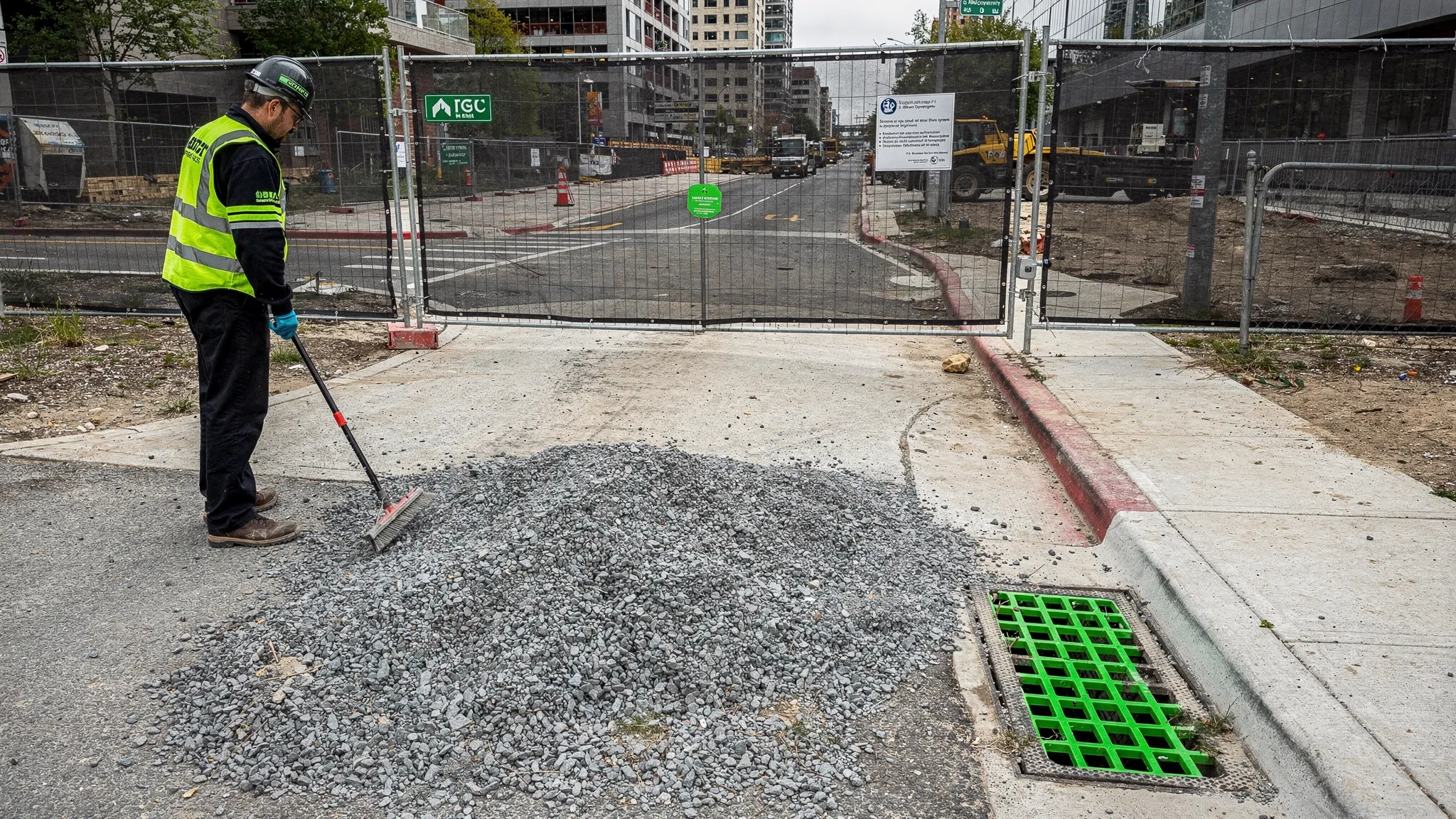
3) Check storm drains and inlet protection
Inspectors notice two things immediately:
Remove sediment around protected inlets and clean the surrounding pavement so the inlet area looks maintained.
For more stormwater-focused context, see Reliable Sweepers’ guide on environmental compliance basics for construction cleanup.
4) Run a magnet sweep where metal is likely
Nails, tie wire, and metal shards are a safety and tire hazard, and they are very visible when they accumulate.
Plan magnet sweeping:
This is your final pass, focused on first impressions.
1) Do a 15-minute “street-to-site” walk
Start where an inspector will likely park and approach.
Walk:
If anything makes you stop and think “that looks messy,” fix it.
2) Touch the details that get photographed
These are small items that create big visual signals:
3) Stage quick-response tools
Have basic cleanup tools accessible so the crew is not scrambling:
If you operate powered equipment, keep housekeeping aligned with general safety expectations. OSHA’s housekeeping concept is a useful reference point for why “clean” is also “safe” (see OSHA’s Walking-Working Surfaces resources).
You will know you are close when these conditions are true:
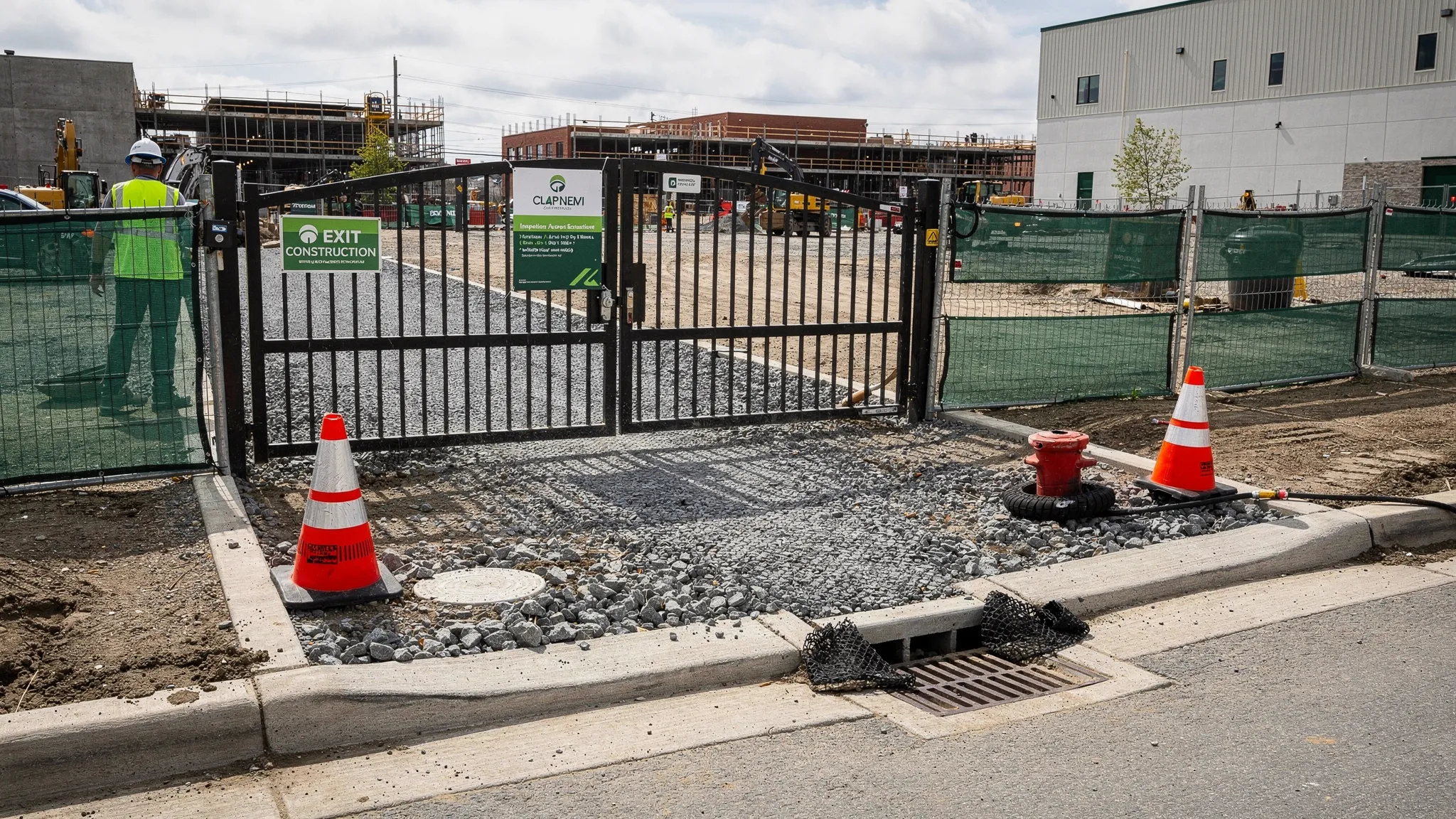
Even when a site is clean, inspections can still turn into disagreements if you cannot show maintenance patterns.
A simple documentation routine:
If your project requires SWPPP documentation, tie your photo set and cleanup log to the same rhythm as your required inspections.
In-house labor is great for daily pickup and spot fixes. Professional sweeping is valuable when you need speed, consistency, and the right equipment to capture fines, curb-line buildup, and track-out.
Consider calling a sweeping crew when:
If you are in a true “inspection tomorrow” situation, Reliable Sweepers also provides emergency clean up services across Middle Tennessee.
Use this as your last pass. If any item is a “no,” fix it before the inspector arrives.
What is the most common site cleaning issue that causes failed city inspections? Track-out and sediment at the public right-of-way are common, especially mud at the entrance, dirty curb lines, and debris near storm drains.
How far in advance should I schedule site cleaning before an inspection? Start rough cleanup 72 to 48 hours out, then detail hot zones 24 hours out. If weather is changing, plan a final touch-up the morning of.
Should we pressure wash before a city inspection? Be careful. Washing can move sediment and pollutants toward storm drains if not contained. Dry removal (sweeping, pickup, controlled collection) is often the safer approach.
Do I really need magnet sweeping before an inspection? If your site has active framing, roofing, rebar, or metal cutting, magnet sweeping is a fast way to remove nails and sharp debris from travel paths and entrances.
What areas do inspectors notice first? The approach from the street: entrance, sidewalk, curb-and-gutter, and storm drains. If these look unmanaged, the rest of the site gets extra scrutiny.
Can a sweeping contractor help with compliance documentation? Many contractors can provide service confirmation and before/after photos. You should still keep your own simple log to show consistent maintenance.
If you have an inspection coming up and want the exterior to be clean, controlled, and compliant, Reliable Sweepers can help with construction site sweeping, curb-line detailing, magnet sweeping, dust and mud control, and emergency response across Middle Tennessee.
Get started here: Reliable Sweepers.
Reliable Sweepers provides comprehensive street sweeping and property maintenance services across Middle Tennessee. Whether you're managing a construction site, commercial property, or residential development, our experienced team delivers the professional cleaning solutions you need.