
Hiring street sweeping contractors should not feel like a guessing game. The right crew helps keep pavement clean, storm drains clear, tenants satisfied, and job sites moving. The wrong crew can leave curb lines packed with sediment, miss hidden debris, create access headaches, or force your team to pay twice for the same cleanup.
For property managers, contractors, facility teams, HOAs, and municipal buyers in Nashville and Middle Tennessee, vetting is about more than finding someone with a sweeper truck. It is about confirming the contractor has the right process, equipment, safety habits, schedule flexibility, and accountability for the conditions on your site.
Use the framework below to compare street sweeping contractors by results, not just by price.
Before you request bids, decide what success should look like. If the scope simply says “sweep parking lot” or “clean site as needed,” every contractor will interpret the job differently. One bidder may include curb-line detail and debris disposal. Another may only make wide passes through drive lanes.
Better results usually include a combination of appearance, safety, access, drainage, and compliance outcomes. For many exterior sites, that means:
This definition does not need to be complicated. A one-page site brief with zones, debris types, access windows, and pass/fail standards can dramatically improve bid quality. If you need help thinking through scope language, Reliable Sweepers’ guide to commercial street sweeping specs explains how to write measurable expectations before service begins.

Not all sweeping work is the same. A contractor who does well with an empty retail parking lot may not be the best fit for an active construction site with mud track-out, tight phasing, and inspection pressure. A crew that handles wide municipal routes may not be set up for parking garages, loading docks, or industrial yards with tight turning areas.
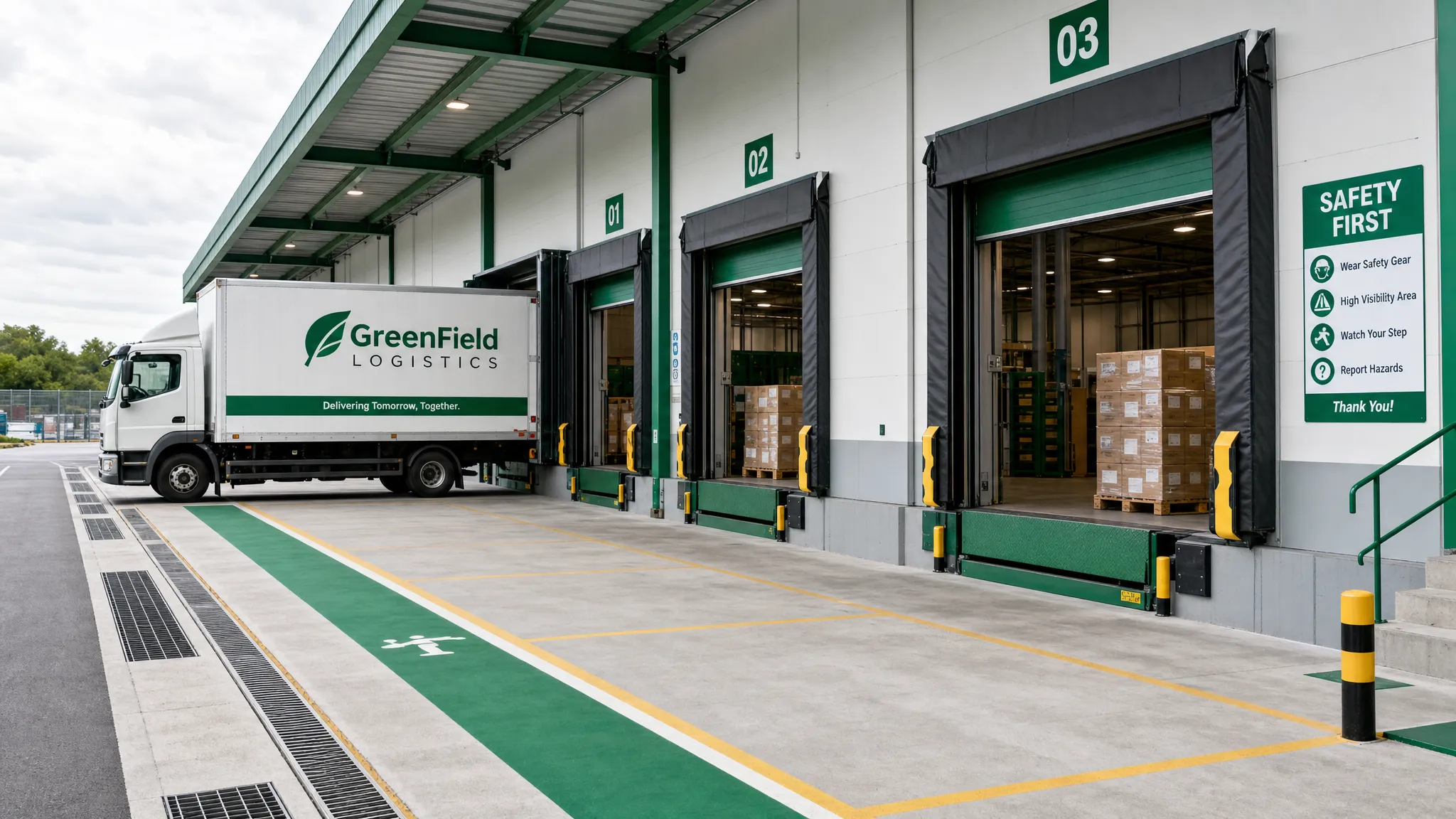
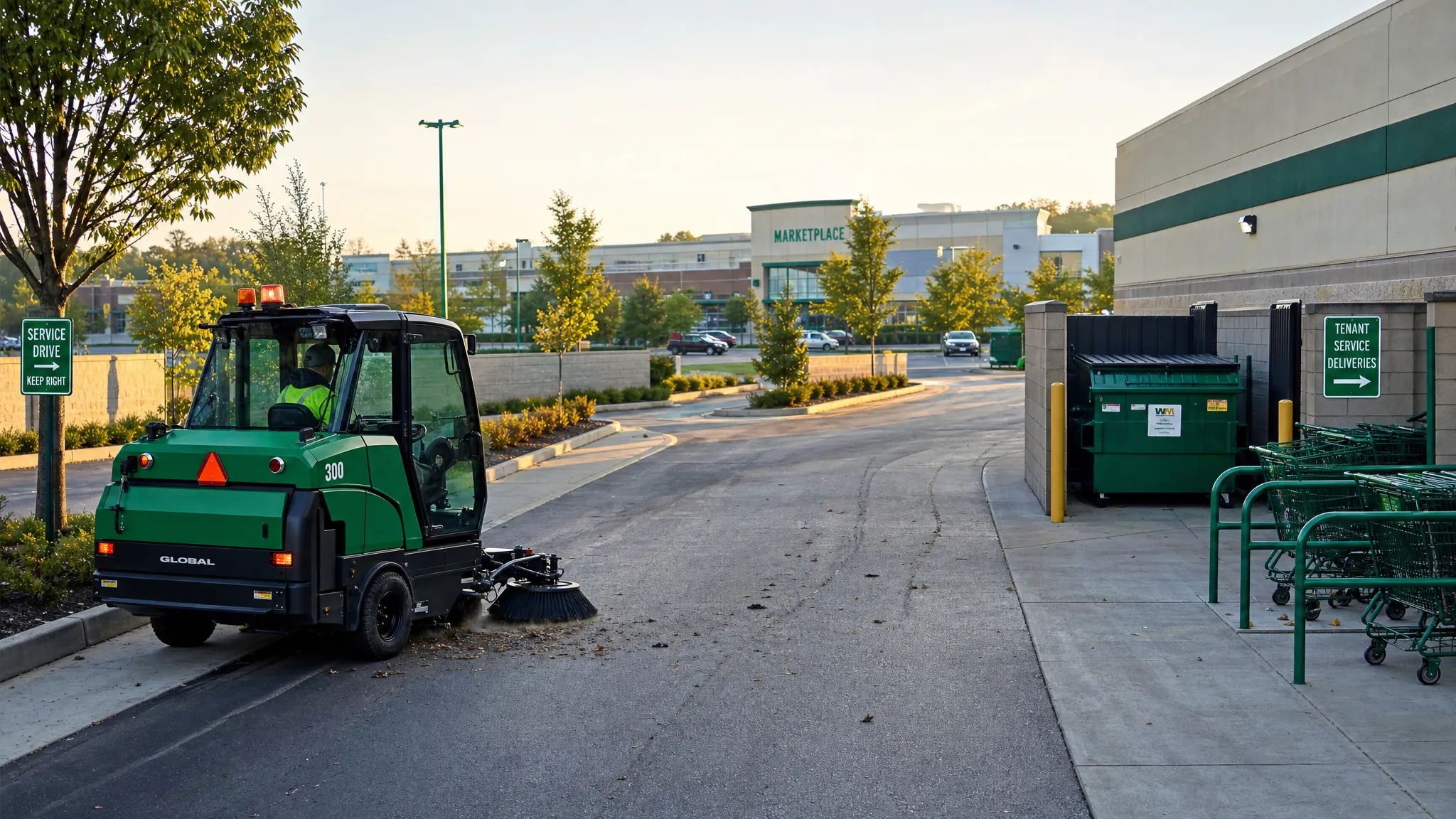
Ask each contractor where they do most of their work and what similar sites they service. For construction sites, you want a team that understands entrances, haul routes, public edges, paving phases, and last-minute turnover cleaning. For commercial properties, you want consistency around storefronts, dumpster pads, curb lines, and customer-facing areas. For industrial facilities, loading docks, trailer rows, yard lanes, and debris from operations often require a different approach.
Good street sweeping contractors should be able to explain what typically gets missed on your site type and how they prevent it. Vague answers are a warning sign. Specific answers, such as how they handle sediment at curb returns or metal debris near construction access points, show field experience.
A sweeper truck is only part of the solution. Results depend on whether the contractor can match the method to the material, pavement condition, and site layout.
Fine dust, heavy sediment, leaves, loose aggregate, asphalt remnants, pallet fragments, and metal debris do not all behave the same way. Tight corners, curb lines, ramps, garage levels, and storm drain areas may require more detail work than open drive lanes. If the contractor only discusses making general passes, they may miss the areas that create the most complaints.
During the walkthrough, ask how they would approach your highest-risk zones. Would they use mechanical sweeping, vacuum-assisted sweeping, hand detailing, magnet sweeping, dust control, mud control, or a combination of methods? What areas require pre-cleaning before the sweeper arrives? What debris types are excluded?
Reliable Sweepers provides services such as construction site sweeping, asphalt paving cleanup, industrial warehouse sweeping, parking lot and garage cleaning, neighborhood and HOA sweeping, municipal sweeping, magnet sweeping, dust and mud control, and emergency response. Whether you hire Reliable Sweepers or another provider, the key is the same: the method should match the actual debris on the ground.
For a deeper look at method selection, see this guide to parking lot sweeping equipment.
Street sweeping often supports stormwater housekeeping because debris left on pavement can move into gutters, catch basins, and waterways during rain. The EPA’s NPDES stormwater program focuses on reducing pollutants carried by stormwater runoff, and exterior cleaning practices can play a role in keeping sediment, trash, and other pollutants out of drainage systems.
A responsible contractor should never treat storm drains as a disposal route. Be cautious if a vendor suggests blowing, pushing, or rinsing debris toward inlets. In many situations, dry removal through sweeping and debris collection should happen before any wet cleaning is considered.
Ask contractors how they handle:
You do not need every contractor to be an environmental consultant. You do need them to understand that sweeping is not just cosmetic. On commercial, municipal, industrial, and construction sites, poor debris handling can create compliance risk, drainage issues, and avoidable complaints.
A sweeping contractor may work around pedestrians, parked vehicles, active construction crews, delivery trucks, residents, and public traffic. Safety practices should be part of the vetting process, not an afterthought.
At minimum, ask for a current certificate of insurance and confirm the contractor’s coverage aligns with your site requirements. If the work involves construction zones, public-facing access points, night work, or lane impacts, ask how they manage traffic control, backing movements, visibility, and communication with site personnel.
For construction work, housekeeping is also tied to safety. OSHA’s construction housekeeping standard addresses keeping work areas, passageways, and stairs clear of debris during construction. Sweeping does not replace a complete safety program, but it can support safer access and reduce loose debris in travel paths.
Strong contractors can explain their operator training, pre-service checks, site communication process, and stop-work expectations. If a vendor treats safety questions as a hassle, consider that a serious red flag.
Many sweeping failures are scheduling failures. The contractor may have the right equipment, but if they arrive after peak traffic starts, before construction debris is ready to be removed, or too late for an inspection, the result still disappoints.
Ask how the contractor schedules recurring service and trigger-based work. In Middle Tennessee, triggers can include heavy rain, high winds, pollen buildup, fall leaf drop, paving work, grading activity, concrete work, deliveries, tenant move-ins, and city inspections.
For recurring properties, a baseline schedule may be enough most weeks, with extra service after weather or high-traffic events. For construction sites, the best timing may shift by phase. Sweeping after grading, before inspections, after paving, and before turnover can prevent rework and complaints.
You should also ask what happens when something changes. Can the contractor adjust service windows? Do they offer emergency response? Who answers after hours? How much notice is required for a special sweep? The answers will tell you whether the contractor is a true operating partner or just a vendor with a route.
If you cannot verify the work, you cannot manage the results. This is especially important for multi-site portfolios, construction projects, retail centers, industrial yards, and properties where the decision-maker is not always on site.
Good verification does not need to be complicated. Before-and-after photos of problem zones, completion notes, timestamps, and exception reports can help property teams see what was done and what still needs attention. For higher-risk sites, the contractor should be willing to identify blocked access, parked cars, unsafe conditions, or debris that falls outside the agreed scope.
Ask about the contractor’s callback process. If curb lines are missed or a gate was locked, how is that handled? If a site contact reports an issue the next morning, who reviews it? If the answer is unclear, you may spend more time managing the contractor than the contractor spends solving the problem.
For bid comparisons built around outcomes, this guide on comparing commercial cleaning bids by results may help you build a practical scorecard.
A low per-sweep price can be attractive, but it may not be the lowest total cost. If a contractor excludes detail work, charges extra for disposal, misses schedule windows, or requires frequent callbacks, the cheap bid becomes expensive quickly.
When comparing proposals, confirm what is included and excluded. Mobilization, disposal, curb-line detailing, magnet sweeping, after-hours service, traffic control, emergency response, heavy debris, and weather-related return visits may be handled differently by each bidder.
The goal is not always to choose the most expensive contractor. The goal is to choose the contractor whose price matches the result you need. For a low-risk lot with light litter, a simple recurring sweep may be enough. For a construction entrance before inspection or an industrial dock with metal debris, a more specialized scope may save money by preventing delays, tire damage, or complaints.
Most problems show up before the first service if you know what to look for. Be cautious when a contractor:
One red flag does not always mean a contractor is unqualified, but it should prompt more questions. If the answers do not improve, keep looking.
Before you award the work, ask these questions and listen for specific, practical answers:
These questions make the conversation more concrete. They also help strong contractors stand out because they can explain their process clearly.
How do I know if a street sweeping contractor is qualified? Look for relevant site experience, appropriate equipment, current insurance, clear safety practices, stormwater awareness, reliable scheduling, and proof of completed work. A qualified contractor should be able to explain how they would clean your specific site, not just describe general sweeping.
Should I choose the lowest bid for street sweeping? Not automatically. A low bid may be fine for a simple, low-risk site, but it can cost more if it excludes detail work, disposal, magnet sweeping, after-hours access, or trigger response. Compare bids by scope, outcomes, documentation, and total cost.
What should be included in a street sweeping scope of work? A good scope should identify service zones, debris types, cleaning methods, frequency, trigger events, access requirements, exclusions, pass/fail standards, and documentation expectations. The more specific the scope, the easier it is to compare contractors fairly.
Do street sweeping contractors handle stormwater compliance? Sweeping contractors do not replace your compliance team, but they can support stormwater-friendly housekeeping by removing sediment, litter, leaves, and debris before they enter drains. Ask how they protect inlets and handle collected debris.
When should I request emergency sweeping? Emergency sweeping is useful after mud track-out, storms, high winds, spills of non-hazardous debris, paving work, construction deliveries, or any event that creates safety, access, drainage, or inspection concerns. Confirm response options before you need them.
If you are vetting street sweeping contractors for a construction site, commercial property, industrial facility, parking area, HOA, or municipal route, Reliable Sweepers can help you define the right scope and schedule for the conditions on your site.
Our team provides professional street sweeping and property maintenance services across Nashville and Middle Tennessee, including construction site sweeping, asphalt paving cleanup, parking lot and garage cleaning, industrial warehouse sweeping, neighborhood and HOA sweeping, municipal sweeping, magnet sweeping, dust and mud control, and emergency response.
Ready to compare options with a clear, outcome-based plan? Contact Reliable Sweepers to discuss your site and request a quote.
Reliable Sweepers provides comprehensive street sweeping and property maintenance services across Middle Tennessee. Whether you're managing a construction site, commercial property, or residential development, our experienced team delivers the professional cleaning solutions you need.