
For many commercial properties, the cleaning plan starts indoors: lobbies, restrooms, breakrooms, tenant suites, and common areas. But the first thing visitors, tenants, inspectors, and delivery drivers see is usually outside. If the parking lot is dusty, the curb line is full of debris, or mud is tracked across the entrance, the property already feels neglected before anyone reaches the front door.
That is why effective commercial property cleaning services should cover exteriors, not just interiors. Exterior cleaning protects curb appeal, supports safer access, helps keep drainage paths clear, and reduces preventable complaints from tenants and customers. For Nashville and Middle Tennessee properties, where rain, clay soil, construction activity, pollen, and seasonal leaf drop can change conditions quickly, exterior coverage is not optional. It is part of responsible property maintenance.
Exterior cleaning is more than a cosmetic add-on. A clean exterior helps the property operate smoothly. Clear drive lanes reduce debris hazards. Clean sidewalks make entrances more inviting. Maintained curb lines and storm drain areas help water move where it should. Loading docks and dumpster pads stay more manageable when debris is removed before it spreads.
Exterior cleaning also fills a common gap between janitorial work and building maintenance. Janitorial teams may keep indoor spaces clean, while landscapers handle turf, plants, and beds. But paved exterior surfaces often fall between vendors. Parking lots, garages, curb lines, loading zones, construction access points, and warehouse yards need their own scope, equipment, and schedule.
From a compliance standpoint, exterior cleaning matters because debris on pavement can become runoff during rain. The EPA’s NPDES stormwater program highlights the importance of managing stormwater discharges, and routine dry removal methods such as sweeping can help reduce the amount of sediment, trash, and pollutants that reach drains.
A strong exterior cleaning plan starts with the full footprint of the property, not just the most visible areas. The goal is to identify where debris collects, where people walk, where vehicles track material, and where water flows.
Common exterior zones include:
Each zone has a different risk profile. A customer-facing entrance needs to look clean every day. A loading dock may need debris control to reduce tire damage and trip hazards. A curb line may look minor until the next storm carries leaves, sediment, and trash toward a drain. A construction access point may need same-day attention after rain or heavy truck traffic.
Exterior cleaning is not one task. It is a set of services that work together based on the property type, debris load, and schedule. A retail center does not need the same plan as an industrial warehouse yard, and a construction-adjacent office building may need more responsive service than a stable suburban office park.
Sweeping is the backbone of most exterior commercial property cleaning programs. It removes loose debris, dust, leaves, litter, sediment, and fine material from paved surfaces before those materials move into entrances, drains, or neighboring properties.
Professional sweeping is especially useful for larger paved areas because it covers more ground than manual cleanup and captures material more effectively than blowing debris from one area to another. For parking lots, the best results usually come from a plan that includes drive lanes, parking stalls, curb lines, entrances, and areas around islands or landscaped edges.
If your property has recurring complaints about dusty lots, trash buildup, or curb-line debris, a regular sweeping cadence may solve more than a one-time deep clean.
Many exterior cleaning problems collect at the edges. Wind and traffic push material to curbs, wheel stops, corners, drain inlets, fence lines, and dumpster areas. If the service only sweeps open pavement, the property may still look dirty after the crew leaves.
Curb-line detail work is important because edges are where debris is most visible and where stormwater often moves. A good exterior cleaning scope should state whether curb lines, gutters, corners, drain approaches, and tight areas are included. This is one of the simplest ways to prevent misunderstandings between property teams and cleaning providers.
Metal debris is a special concern for construction sites, industrial properties, warehouse yards, and recently renovated commercial spaces. Nails, screws, wire, staples, and other fragments can create tire damage and safety complaints.
Magnet sweeping is designed to collect ferrous metal debris from paved surfaces and access routes. It is not a replacement for general sweeping, but it is a valuable add-on when metal is part of the debris profile. For properties near active construction or tenant improvements, magnet sweeping can be scheduled after specific trades, after demolition activity, or before turnover.
Middle Tennessee properties often deal with clay-heavy soil, rain events, and construction track-out. Mud on pavement can become a slip concern, stain surfaces, clog drains, and create complaints when it is tracked indoors. Dust can build up in parking garages, warehouse approaches, and high-traffic lots, especially during dry weather or nearby construction activity.
Dust and mud control should be handled with the right sequence. In many cases, dry removal comes first so material is captured rather than washed into drains. Targeted wet cleaning may be useful in certain areas, but it should be planned carefully so wash water and sediment are not pushed into stormwater systems.
Parking garages need a different approach than open lots. Dust settles on decks, ramps, corners, stair tower landings, and entrance lanes. Because garages have walls, columns, low clearances, drains, and pedestrian areas, the cleaning method must fit the layout.
Routine garage sweeping helps reduce dust and loose debris, while deeper cleaning may be needed periodically for stains, buildup, or problem areas. Property managers should define which levels, ramps, corners, drain areas, and pedestrian paths are included before requesting quotes. For more detail on scope and timing, see Reliable Sweepers’ guide to parking garage cleaning services.
Not every cleaning need fits a routine schedule. Storms, spills of loose material, mud track-out, wind-blown debris, special events, paving work, or failed dumpster pickups can create urgent exterior problems.
Emergency response services are useful when the property needs fast cleanup to protect access, safety, appearance, or compliance. For construction managers, this can help prevent delays before inspections or turnover. For commercial property managers, it can help restore normal conditions before tenants and customers arrive.
A property can have a janitorial contract, landscaping contract, and maintenance vendor and still have exterior cleaning gaps. The easiest way to spot those gaps is to walk the property after a normal business day, after rain, or after a busy delivery window.
Look for repeated debris in the same places. If the same curb corner fills with leaves and sediment every week, it needs to be part of the exterior scope. If mud appears at entrances after every rain, the issue is not just cleaning frequency. It may also require track-out control and faster response after weather. If tenants complain about nails in tires or dusty employee parking areas, the plan may need magnet sweeping or more targeted pavement cleaning.
Another warning sign is vendor confusion. If the janitorial team says the parking lot is not included, the landscaper says pavement is not their responsibility, and maintenance only responds after complaints, the property needs a written exterior cleaning plan.
A vague request like “keep the property clean” is hard to price and harder to enforce. A better scope defines zones, outcomes, frequency, triggers, and verification. This helps the provider quote accurately and gives the property team a clear standard for success.
A practical exterior cleaning scope should include:
This outcome-first approach also makes bids easier to compare. Instead of choosing the lowest price for an unclear task list, property managers can evaluate whether each vendor is solving the same problem. Reliable Sweepers covers this approach in more depth in its guide to comparing commercial cleaning bids by outcomes.
The right cleaning plan depends on how the property is used. A quiet office building may need a predictable maintenance sweep and occasional storm response. A busy retail center may need more frequent litter and curb-line attention because customer perception changes quickly. A warehouse or industrial site may need dock, yard, and metal debris control. A construction-adjacent property may need flexible scheduling around weather, deliveries, and paving.
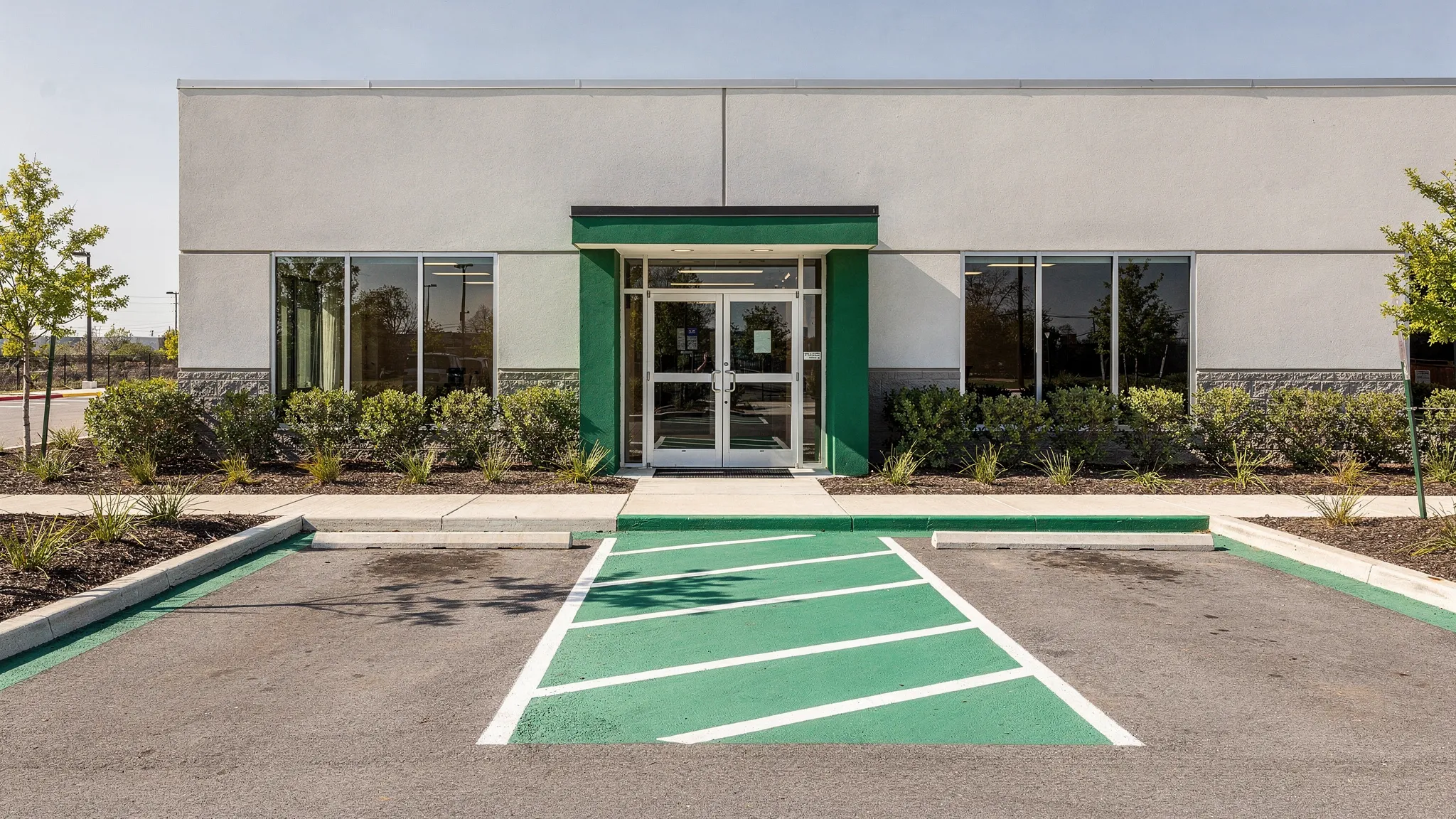
For retail and mixed-use properties, prioritize entrances, sidewalks, storefront curb lines, parking stalls, and cart or pickup zones. These areas shape first impressions and generate the fastest complaints when neglected.
For office, medical, and professional properties, focus on employee and visitor parking, accessible routes, building entrances, and drainage paths. These sites often benefit from a consistent baseline schedule with extra service after storms or landscaping work.
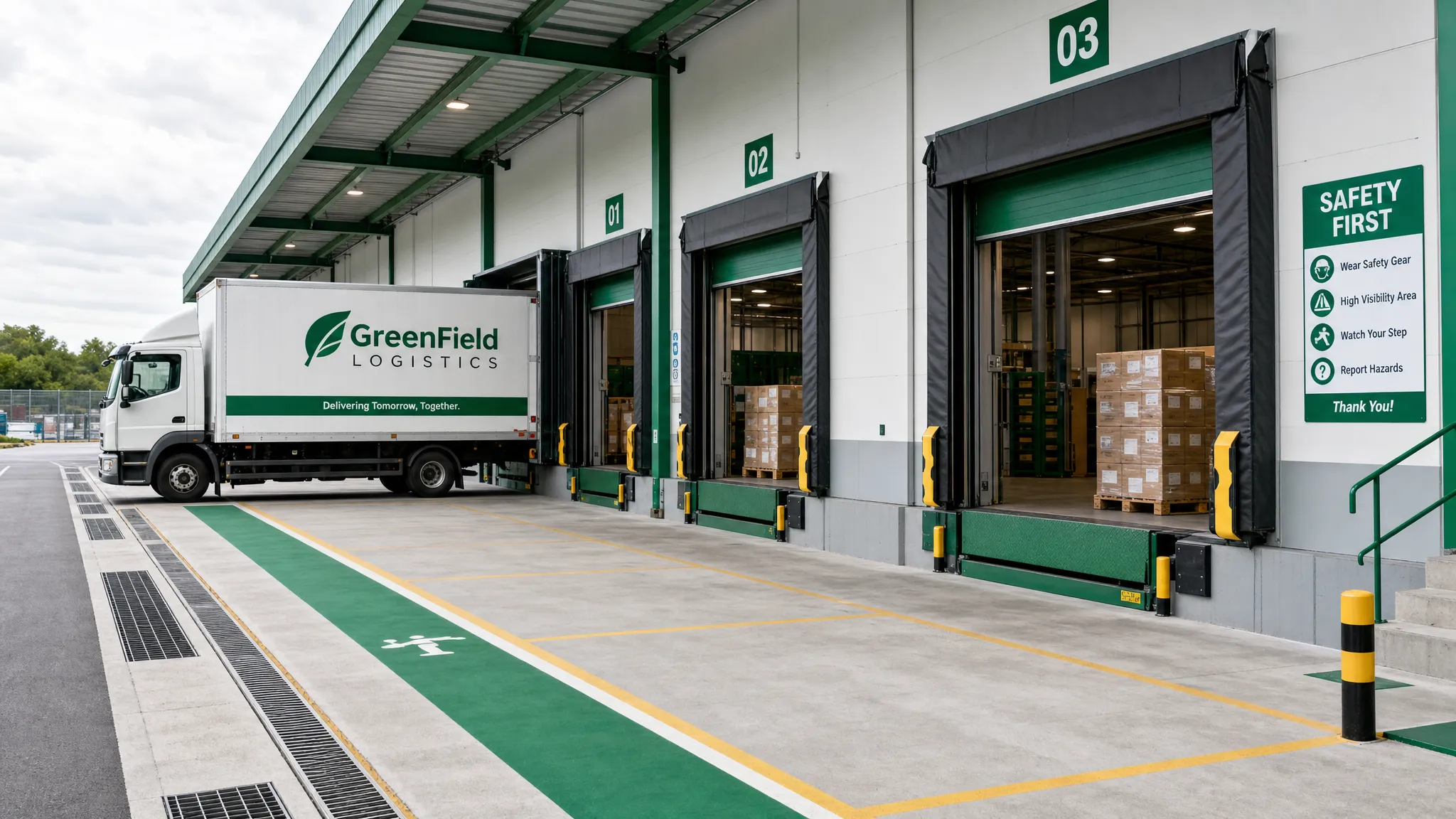
For industrial and warehouse properties, loading docks, trailer rows, yard edges, gate areas, and dumpster pads usually deserve the most attention. Metal debris, pallet fragments, dust, and track-out can affect operations and vehicle safety.
For construction-adjacent commercial sites, flexibility matters. A clean property can deteriorate quickly after grading, utility work, concrete pours, or rain. In these situations, scheduled sweeping plus trigger-based cleanup is often more effective than a fixed routine alone.
For owners with multi-market portfolios, local operating knowledge matters just as much as the cleaning method. The same principle applies when investors seek local guidance for unfamiliar markets, such as Australians using Dubai property and business setup consultants before making overseas real estate or business decisions. Property conditions, rules, and expectations are always local, and maintenance planning should reflect that.
Exterior cleaning in Nashville is shaped by local conditions. Spring pollen can coat surfaces and make properties look dusty even when trash levels are low. Heavy rain can move sediment from landscaped areas, construction sites, and unprotected slopes into parking lots and curb lines. Summer construction activity can increase dust and mud. Fall leaf drop can block drainage paths quickly. Winter grit and de-icer residue may need removal before it damages appearance or tracks indoors.
Because conditions change through the year, the strongest plans combine a baseline schedule with seasonal adjustments. For example, a property may keep a monthly sweep during slower periods, increase service during leaf drop, and add trigger sweeps after major storms or nearby construction activity.
For parking areas specifically, Reliable Sweepers’ guide to parking lot sweeping frequency can help property teams think through cadence based on traffic, debris, season, and risk.
The best provider is not always the one with the shortest proposal or the lowest per-visit number. Exterior cleaning affects safety, appearance, tenant satisfaction, and drainage, so the provider should understand your site conditions and the outcomes you need.
Ask these questions before choosing a vendor:
It is also smart to ask how the provider handles abnormal events. A routine contract is helpful, but real properties get messy between scheduled visits. Storms, construction activity, tenant move-outs, and event traffic can all create conditions that need a faster response.
Reliable Sweepers provides professional street sweeping and exterior property maintenance services across Middle Tennessee. The team supports commercial properties, construction sites, parking facilities, industrial locations, neighborhoods, HOAs, and municipal routes with flexible cleaning solutions tailored to the site.
Services include construction site sweeping, asphalt paving cleanup, industrial warehouse sweeping, parking lot and garage cleaning, neighborhood and HOA sweeping, municipal sweeping, emergency response, magnet sweeping for debris, and dust and mud control. For property managers and contractors, that exterior focus helps close the gap between janitorial cleaning, landscaping, and general maintenance.
If your property looks clean inside but still generates complaints outside, the issue may not be effort. It may be scope. A clear exterior plan can improve results without creating unnecessary complexity.
What are commercial property cleaning services for exteriors? They are services that clean and maintain outdoor commercial areas such as parking lots, garages, sidewalks, curb lines, loading docks, dumpster pads, private roads, and construction access points. They often include sweeping, debris removal, magnet sweeping, dust control, mud control, and emergency cleanup.
Are exterior cleaning services different from janitorial services? Yes. Janitorial services usually focus on indoor areas such as restrooms, floors, lobbies, and common spaces. Exterior cleaning focuses on paved outdoor areas, vehicle routes, pedestrian paths, debris buildup, drainage areas, and site conditions that require equipment like sweepers or magnets.
How often should a commercial property schedule exterior cleaning? Frequency depends on traffic, debris levels, property type, season, and risk. Many properties use a baseline schedule, such as weekly, biweekly, or monthly, plus trigger-based service after storms, construction activity, events, leaf drop, or tenant turnover.
Does sweeping help with stormwater concerns? Sweeping can help by removing loose sediment, trash, leaves, and debris before rain carries them toward storm drains. It should be part of a broader stormwater-conscious maintenance plan, especially for properties with active construction, heavy traffic, or known drainage issues.
When should a property manager request emergency cleanup? Emergency cleanup is useful after mud track-out, storm debris, paving work, metal debris, wind-blown trash, or any condition that creates safety concerns, tenant complaints, blocked access, or inspection risk.
A clean building should not stop at the front door. If your parking lots, garages, curb lines, loading areas, or construction access points need a clearer plan, Reliable Sweepers can help you define the right scope and schedule.
Contact Reliable Sweepers to discuss commercial exterior cleaning services across Nashville and Middle Tennessee.