Dust looks simple until it starts affecting safety, product quality, equipment, drainage, or inspection readiness. In a warehouse, it collects along dock doors, aisle edges, pallet staging areas, and high-traffic forklift routes. On construction and industrial sites, it builds up on haul roads, paved aprons, curb lines, and public-facing exits, then becomes track-out after the next vehicle pass or runoff problem after the next storm.
Choosing the right dust removal service is not just about “getting someone to sweep.” The best option depends on the dust source, particle size, moisture level, traffic patterns, and whether the dust is mixed with mud, metal, packaging debris, or construction residue.
Below is a practical guide to the main dust removal service options for warehouses, construction sites, industrial yards, and paved commercial areas.
Before comparing service options, identify what kind of dust you are dealing with. Different materials call for different equipment, timing, and safety precautions.
Common dust sources include:
Some dust is also a safety or regulatory concern. For example, respirable crystalline silica can be generated during cutting, grinding, or disturbing concrete, stone, brick, and similar materials. OSHA provides guidance on respirable crystalline silica exposure, and dust removal should be coordinated with the proper workplace controls when these materials are present.
The key point: not every dusty area should be treated the same way. A dry warehouse aisle, a muddy construction exit, and a paved industrial dock may all need dust removal, but they rarely need the exact same service plan.
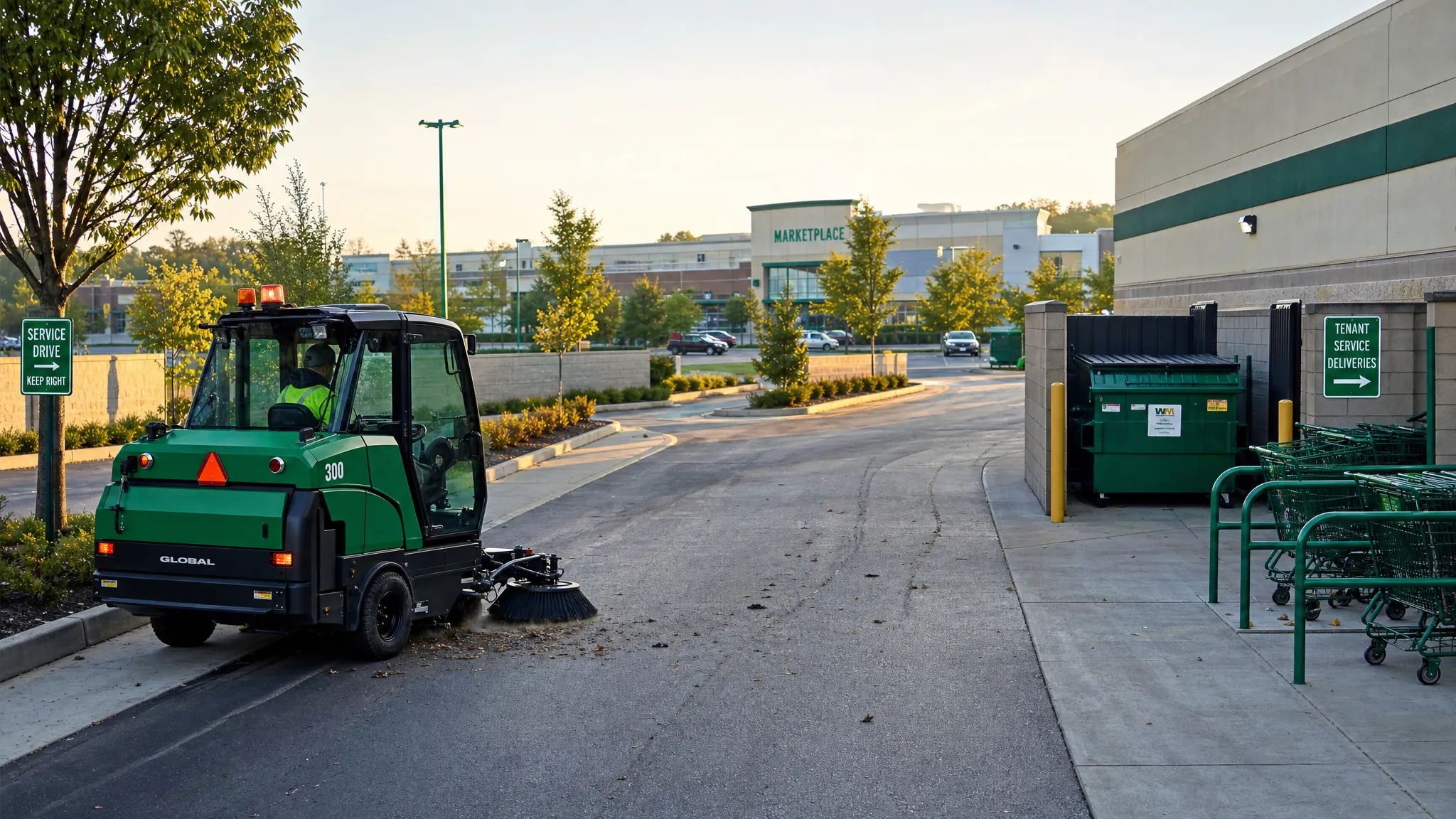
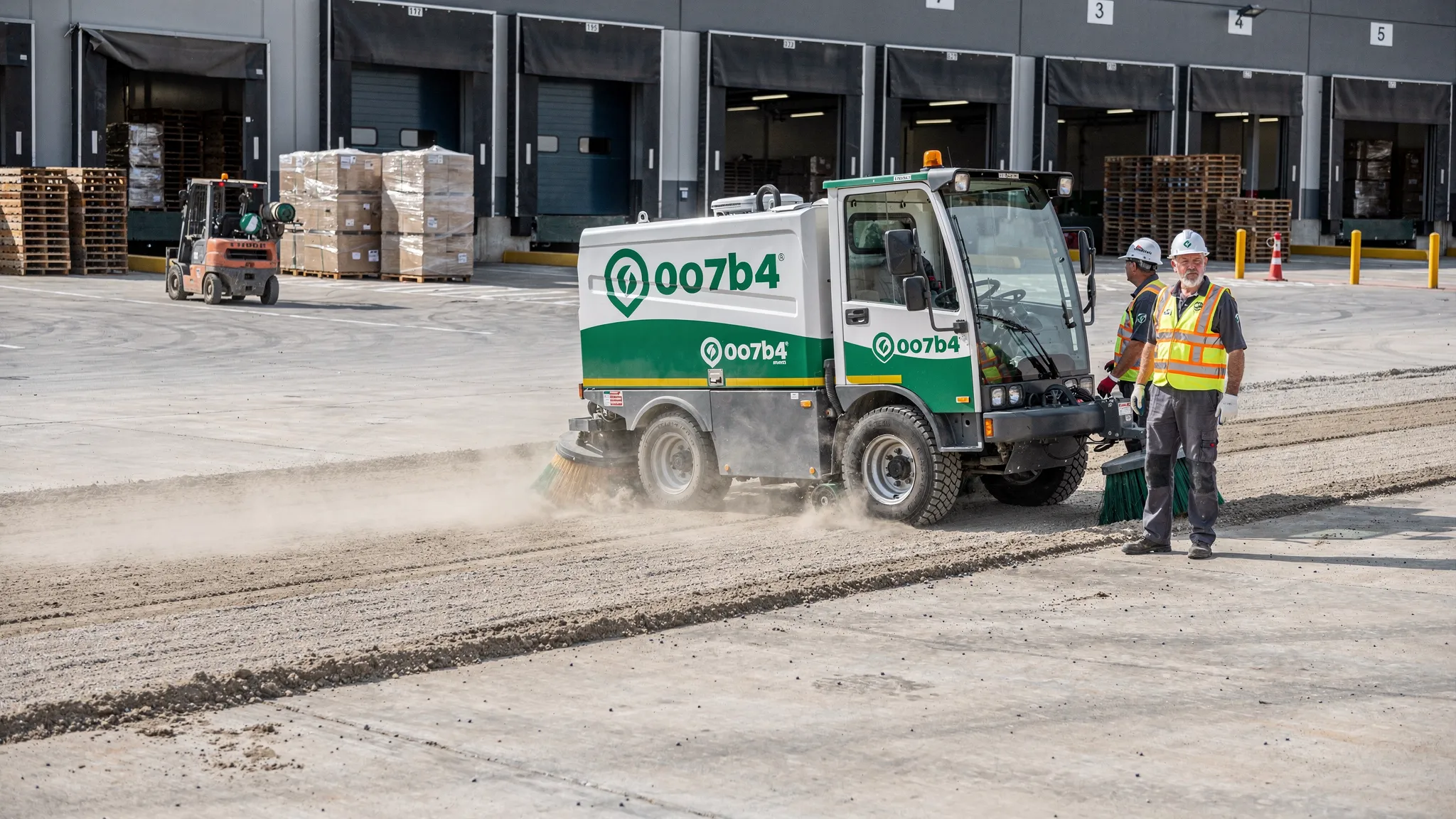
Mechanical sweeping is one of the most common dust removal service options because it handles a wide range of dry debris efficiently. It is useful for warehouse perimeters, loading docks, parking areas, construction haul routes, paved yards, and curb lines where dust is mixed with grit, litter, leaves, or small debris.
A well-run sweeping service does more than drive through the middle of the pavement. The operator should focus on the areas where dust actually accumulates: edges, dock approaches, travel lanes, transition points, and drainage paths. On paved sites, that often means curb-line passes and targeted attention around inlets, dumpster pads, gates, and construction entrances.
Mechanical sweeping is a strong fit when the goal is to remove visible dust, sediment, loose aggregate, and general debris before it gets tracked into buildings or washed into drains. It is often the baseline service for commercial and industrial properties because it is fast, repeatable, and cost-effective.
The limitation is fine airborne dust. If the material is extremely fine, hazardous, or easily lofted into the air, the provider may need dust-control procedures, vacuum-assisted equipment, wet suppression, or a different approach altogether.
When dust is finer and more mobile, vacuum or air-assisted sweeping may be a better fit than a basic broom-only approach. These systems are designed to capture lighter particles from paved surfaces, parking garages, dock areas, and other hard surfaces where dust tends to recirculate if it is only pushed around.
This option is especially useful in areas where appearance and air quality matter, such as warehouse entrances, finished parking areas, garages, customer-facing commercial sites, and paved industrial lanes near building openings.
Fine dust can be stubborn because it settles into pavement texture, expansion joints, cracks, and corners. A professional provider should match the equipment to the surface and debris type rather than assuming one sweeper works everywhere. For example, a dusty outdoor yard with gravel fines may need a different process than a smooth warehouse-adjacent apron with light packaging dust.
If your facility has recurring dust complaints after sweeping, the issue may not be frequency. It may be the wrong method for the particle size.
Dust problems often survive because the obvious open areas get cleaned while the edges are missed. In warehouses and sites, dust collects in places that large equipment may not fully reach.
High-miss zones include dock plates, overhead door tracks, curb returns, fence lines, wall-to-floor edges, racking ends, bollards, storm drain edges, trailer parking rows, and corners near dumpster pads. These zones may need compact sweeping, hand detail work, backpack blowing with capture planning, or manual debris removal before a larger sweeper makes the final pass.
Detail cleaning is rarely the largest part of the job, but it often determines whether the site looks clean the next morning. If dust remains along edges, forklifts, trucks, wind, and foot traffic will redistribute it quickly.
For warehouses, this is where coordination matters. Cleaning around active loading zones, staged pallets, or parked trailers may require off-hour scheduling or a staged plan so the crew can reach the right areas without disrupting operations.

Wet cleaning can help when dust has bonded to the surface, mixed with oils, or turned into a film that sweeping alone will not remove. In warehouse settings, this may involve internal floor-cleaning equipment. On exterior paved sites, it may involve targeted washing or scrubbing after loose material has already been removed.
The order matters. In most cases, dry removal should happen first. If water is applied to heavy dust, sediment, or loose debris too early, the result can be slurry, clogged drains, stained pavement, or runoff concerns.
Stormwater is a major reason to be careful. The EPA’s NPDES stormwater program focuses on reducing pollutants that enter waterways through storm drains and runoff. Washing dust, sediment, or residue into a drain can create more risk than the original dusty surface.
Wet cleaning is best used as a finishing or corrective step, not as a substitute for debris capture. A practical sequence is usually dry sweeping, detail work, final pass, then targeted wet cleaning only where needed and only with the right containment or recovery plan.
On active construction sites, dust removal is only half the job. The other half is keeping new dust and mud from spreading.
Dust and mud control may include scheduled sweeping of haul routes, track-out cleanup at entrances, sediment removal near curbs and drains, and targeted service after grading, utility work, concrete activity, paving, or heavy deliveries. The exact approach depends on the site phase and weather.
Middle Tennessee sites often deal with quick changes in conditions. A dry, dusty access road can become a mud track-out problem after rain, then dry into a dust problem again within a day or two. That is why trigger-based service is important. Instead of waiting for a fixed date, site teams should schedule additional cleaning after the events that create the mess.
Common triggers include rain after earthwork, heavy material deliveries, concrete cutting, demolition, paving, utility trenching, failed inlet protection, inspection deadlines, and tenant or neighbor complaints.
For more construction-specific planning, see Reliable Sweepers’ guide to construction site cleaning services.
Dust is often mixed with materials that standard sweeping may not fully solve. Construction zones, fabrication areas, loading docks, and maintenance yards may contain nails, screws, wire, staples, metal shavings, or broken fasteners.
Magnet sweeping is not a dust-removal method by itself, but it is an important add-on when dusty areas also create tire, foot, or equipment hazards. It is commonly used around construction entrances, parking areas, industrial yards, trailer rows, and areas where tenant or customer vehicles may pass.
The timing matters. Magnet sweeping may be used before a full sweeping pass to reduce puncture hazards, after a debris-generating activity, or as a final quality-control step before reopening an area.
If you are cleaning a site after framing, roofing, tenant build-out, demolition, or equipment repair, ask whether magnet sweeping should be part of the dust removal plan.
Some dust problems cannot wait for the next scheduled service. Emergency or rapid-response cleanup is useful when dust, mud, or debris creates an immediate operational, safety, or compliance issue.
Examples include track-out onto a public road, sediment after a storm, dust complaints from nearby tenants, spilled dry material across a drive lane, construction residue before an inspection, or a messy site entrance before a client visit.
The best emergency response starts with triage. Which areas are creating the most risk right now? Is the problem at the source, such as a gate or dock, or has it already spread to public pavement, parking areas, or drains? Once the highest-impact zones are identified, the crew can match the method to the material and document the cleanup.
Emergency service is not a replacement for routine maintenance, but it is a valuable backstop for sites where weather, deliveries, and construction schedules change quickly.
Different properties need different dust removal priorities. A warehouse manager, superintendent, HOA manager, and municipal buyer may all use sweeping services, but their success standards are not identical.
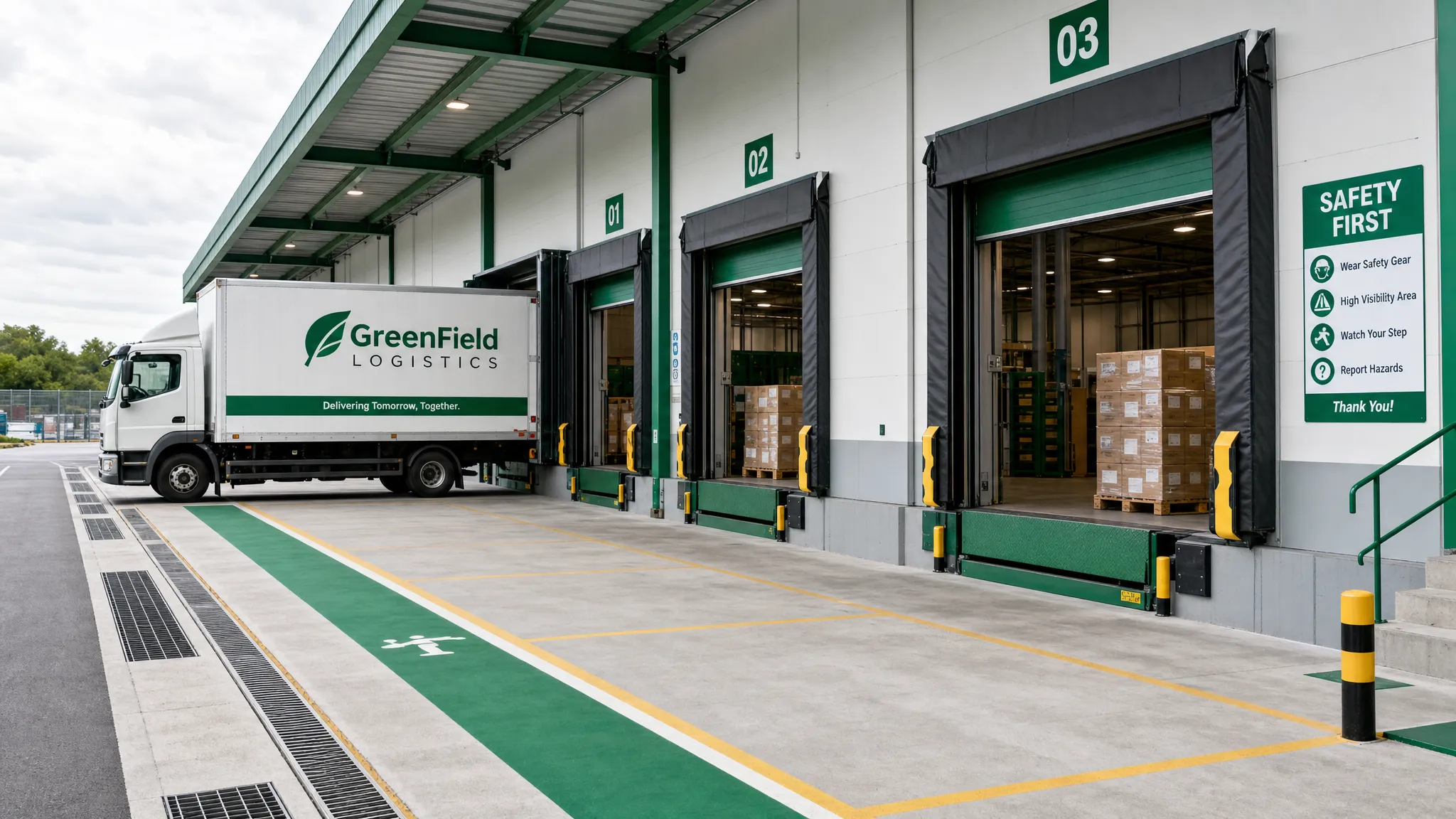
Warehouses should focus on dock doors, forklift travel lanes, pallet staging areas, exterior aprons, trailer rows, and any transition point where dust can move from outside to inside. Dust removal is most effective when exterior sweeping and interior housekeeping support each other.
For example, if an exterior dock apron stays dusty, forklifts and foot traffic will continue carrying that dust indoors. If interior aisles are cleaned but dock approaches are ignored, the same issue returns quickly.
A good warehouse plan defines zones, assigns responsibilities, and schedules higher-impact cleaning during low-traffic windows. For more warehouse-specific guidance, read Facility Cleaning for Warehouses: Best Practices That Work.
Construction dust removal should prioritize access, safety, inspection readiness, and stormwater protection. The highest-value zones are usually construction entrances, haul routes, curb lines, storm drain areas, dumpster pads, public sidewalks, and paved areas near finished work.
The plan should change as the project changes. Sitework, vertical construction, paving, and turnover each create different dust and debris patterns. A weekly sweep may be enough during one phase, while paving, grading, or final turnover may require multiple trigger-based visits.
Industrial sites often produce a combination of fine dust, pallet debris, packaging fragments, tire residue, and metal hazards. Dust removal should focus on keeping truck routes clear, preventing buildup at dock approaches, and protecting drainage paths.
Industrial yards benefit from a zone-based plan because some areas generate far more debris than others. Loading docks, scrap areas, trailer rows, dumpster pads, and maintenance zones usually need more attention than low-traffic areas. Reliable Sweepers covers related planning in its guide to industrial sweeping in Nashville.
Dust in parking areas affects curb appeal, drainage, and complaints. In garages, fine dust often collects at ramps, corners, stairwell entries, elevator lobbies, and drain lines. On open lots, curb lines and landscape edges are usually the problem areas.
A practical plan combines routine sweeping with extra service after pollen events, storms, construction work, or nearby paving. If dust is bonded to the surface or mixed with oil, targeted wet cleaning may be needed after dry debris is removed.
There is no universal schedule that works for every warehouse or site. The right frequency depends on traffic volume, debris source, weather, pavement condition, and tolerance for dust complaints.
A light-use warehouse may only need periodic exterior sweeping, supported by daily in-house spot checks. A busy distribution center may need weekly or biweekly attention around docks and high-traffic paved areas. An active construction site may need a baseline schedule plus extra visits after rain, grading, concrete cutting, heavy hauling, or inspections.
For most properties, the best approach is a baseline cadence plus triggers. The baseline keeps normal dust from accumulating. The triggers handle the messy events that create sudden dust, mud, or sediment loads.
Useful triggers include:
If you are not sure where to start, schedule an initial reset cleaning, document how quickly dust returns, then adjust the maintenance frequency based on actual conditions.
A good provider should be able to explain how they will remove dust, not just how often they will show up. Before hiring, ask questions that connect the method to the outcome you need.
Important questions include:
Documentation does not need to be complicated. Before-and-after photos, service notes, and timestamps can help property managers, facility teams, and contractors confirm that work was completed and identify recurring dust sources.
The simplest way to improve dust removal results is to define what “clean” means before service begins. A vague request like “sweep the warehouse area” leaves too much room for interpretation.
A stronger scope might say that dock aprons, travel lanes, curb lines, trailer rows, and entrance transitions should be free of visible dust trails, loose sediment, pallet debris, and metal fragments after service. It may also specify that storm drain areas should not have loose sediment pushed toward inlets and that public-facing entrances should be photo-documented after cleanup.
Measurable scopes help avoid callbacks, missed edges, and mismatched expectations. They also make it easier to compare bids because each provider is pricing the same result.
Reliable Sweepers provides professional sweeping and property maintenance services across Nashville and Middle Tennessee, including construction site sweeping, industrial warehouse sweeping, asphalt paving cleanup, parking lot and garage cleaning, magnet sweeping, dust and mud control, municipal sweeping, and emergency response.
If dust is affecting your warehouse, job site, yard, parking area, or paved access routes, the right plan starts with a site-specific look at your surfaces, debris sources, traffic flow, and timing constraints.
What is the best dust removal service for warehouses? The best option depends on the dust source and surface. Many warehouses need routine sweeping around dock aprons, travel lanes, staging areas, and exterior entrances, supported by interior housekeeping. Fine dust may require vacuum-assisted or detail cleaning rather than basic sweeping alone.
Is dust removal the same as dust control? No. Dust removal captures and removes existing dust from surfaces. Dust control focuses on reducing new dust through better scheduling, track-out management, mud control, source reduction, and cleaning after high-impact events.
Can sweeping remove fine construction dust? Sweeping can remove a lot of visible construction dust and sediment, but very fine or hazardous dust may require special controls, equipment, or containment. If silica, lead, asbestos, or chemical residue may be present, confirm the proper safety requirements before cleaning.
How often should a construction site schedule dust removal? Active sites usually need a baseline schedule plus trigger-based cleanups after rain, grading, hauling, cutting, demolition, paving, or inspections. The busiest phases often require more frequent service than a fixed weekly plan.
Should wet cleaning be used for dusty pavement? Sometimes, but dry removal should usually happen first. Wet cleaning can create slurry or runoff problems if loose dust and sediment are not captured first. Any wet method should account for storm drains and wash-water control.
Ready to compare dust removal service options for your warehouse, construction site, or industrial property? Contact Reliable Sweepers to discuss a site-specific sweeping, dust control, or emergency cleanup plan for your Middle Tennessee property.
Reliable Sweepers provides comprehensive street sweeping and property maintenance services across Middle Tennessee. Whether you're managing a construction site, commercial property, or residential development, our experienced team delivers the professional cleaning solutions you need.