Most job sites do not fall behind because one big thing went wrong. They slip because of small, repeated friction, track-out at the gate, debris in travel paths, overflowing dumpsters, dust that turns into rework, and “we’ll get it later” piles that keep spreading.
Job site clean up is one of the few daily habits that protects schedule, safety, inspections, and client confidence at the same time. The goal is not perfection, it is keeping work areas predictable so trades can move, deliveries can land, and walkthroughs do not turn into punch lists.
Below are daily, field-tested habits that keep projects moving, especially on active sites around Nashville and Middle Tennessee where rain events, clay soil, and high traffic can turn minor mess into major delays.
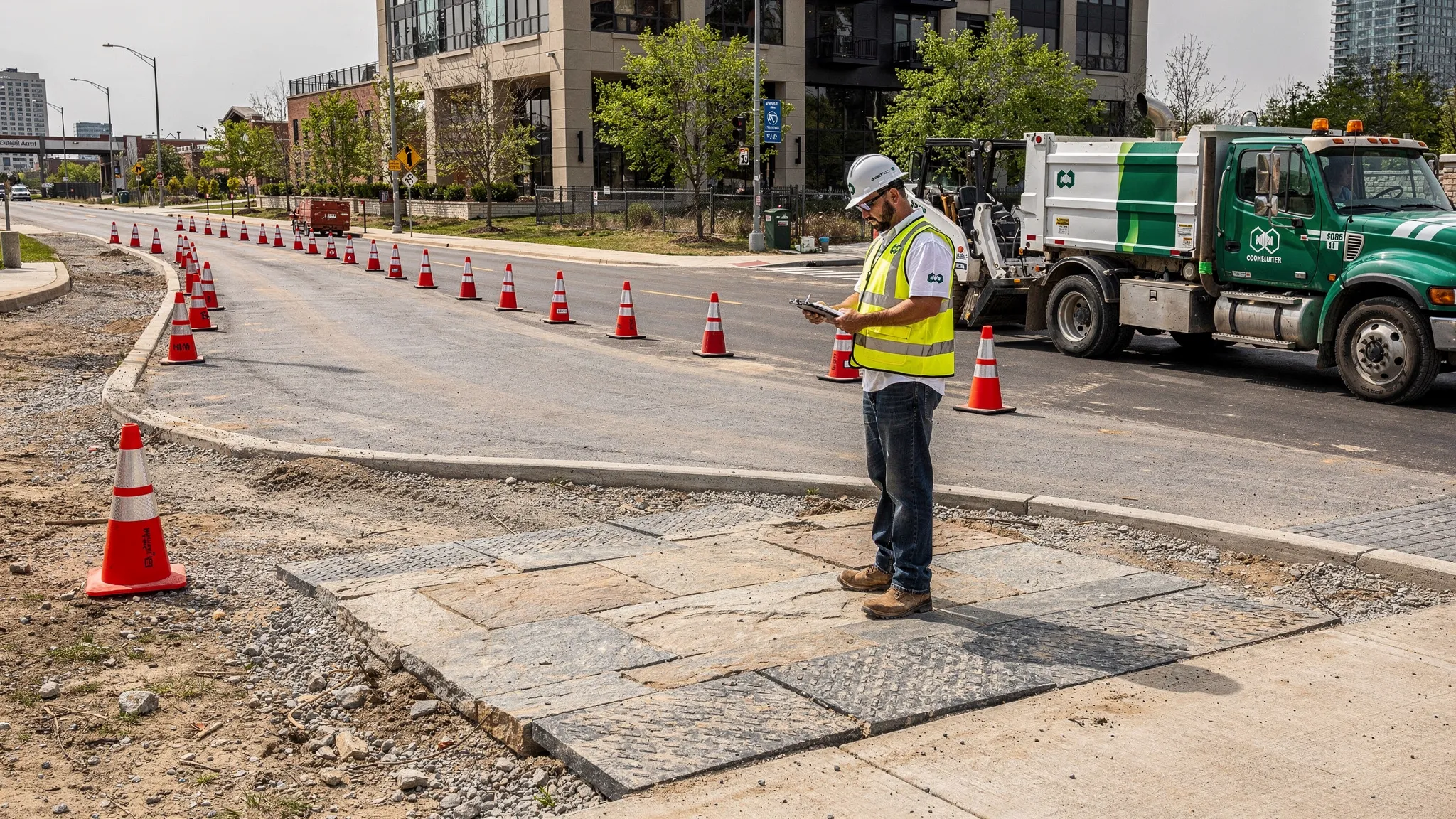
If you define clean up as “pick up trash,” you will always be reacting. A useful daily definition is outcome-based:
Those outcomes map directly to regulatory and safety expectations. OSHA’s construction housekeeping rule (29 CFR 1926.25) requires work areas and passageways to be kept clear to reduce hazards. You can reference the standard on the OSHA construction housekeeping page.
The best crews do not “save cleaning for Friday.” They attach short clean up actions to moments that already happen.
Before crews disperse, do a fast walk of the same handful of points every day:
This is not an inspection report. It is a “what will block work in the next 4 hours” scan.
Most sites naturally have a lull when trades shift areas, materials arrive, or a lift is repositioned. Use that to:
End-of-shift clean up prevents tomorrow morning from starting behind. The closeout reset should restore three things:
“Everyone clean up” often means no one owns the result. Zone ownership is faster:
This reduces rework because each zone owner learns what “good” looks like in their area.
Track-out is not just a neighbor complaint, it is a productivity drain. Once mud and stone leave the site, you get:
Daily gate habits that work:
If your site is under a stormwater permit, daily attention here also supports compliance documentation. EPA resources on construction stormwater (including the Construction General Permit) are available via the EPA construction stormwater page.
Travel lanes get clogged because they are convenient. Once a lane becomes a storage spot, you lose:
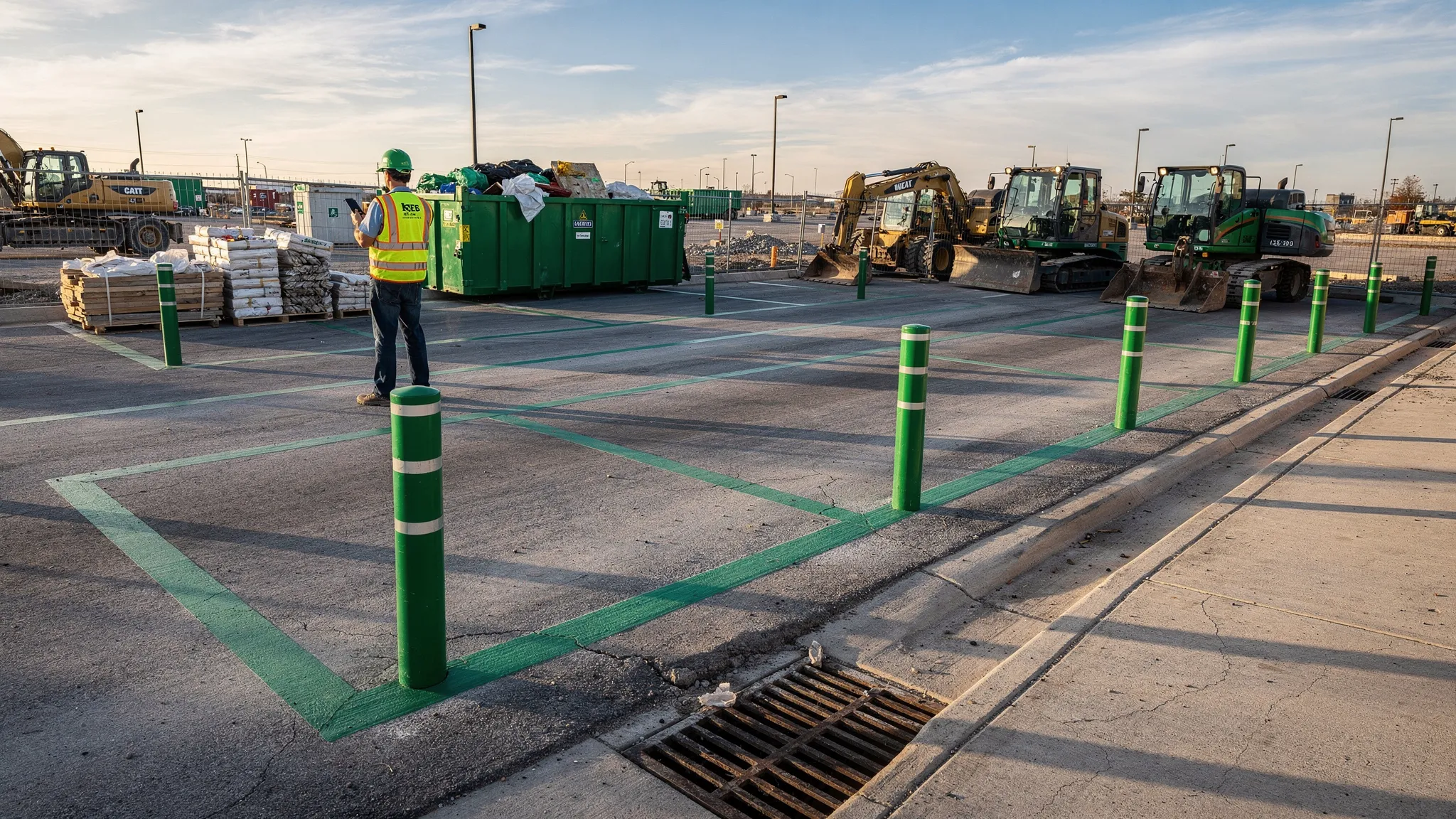
Make one rule that is easy to enforce: nothing staged in marked travel lanes, ever. If a pallet must be set down temporarily, it gets a time limit and a tag (even a piece of tape with a time works).
Handling the same debris pile three times is a hidden cost. The daily habit is to design for one-touch flow:
Overflow is where you lose time: windblown trash, scattered light packaging, and someone burning an hour re-stacking.
Dust is rarely “just cosmetic.” It can:
Daily dust-control habits include:
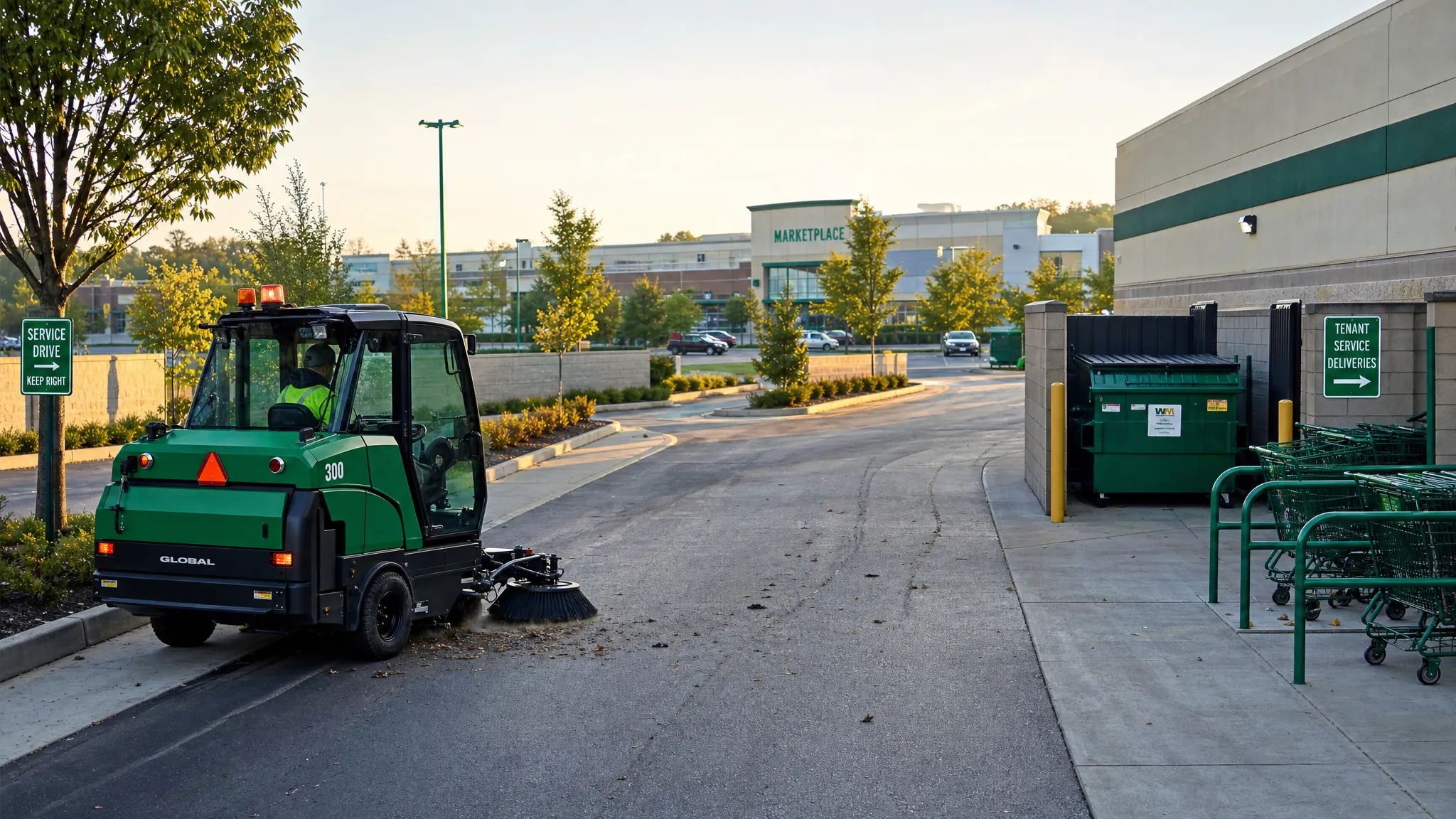
For exterior pavement, bringing in periodic professional sweeping can be the difference between “always dusty” and “predictable.” If you want a deeper look at when sweeping is the right tool, Reliable Sweepers’ guide on pavement cleaning services breaks down methods, timing, and triggers.
If you have roofing fasteners, tie wire, cut nails, or banding, small metal becomes:
A quick magnet pass in the right zones (gate, staging areas, saw stations, curb lines) is a high-return daily habit. For projects with heavy metal debris, periodic professional magnet sweeping can catch what handheld magnets miss.
Owners and neighbors judge the project from the edges: entrances, sidewalks, curb lines, and nearby streets. Keeping those areas clean daily helps prevent:
A simple edge standard works: no visible debris, no track-out, curb lines not accumulating sediment.
If you manage multiple properties or have a mixed-use site, Reliable Sweepers also covers how to set up an exterior program by zone in their article on commercial building maintenance plans.
Material staging is a clean up habit in disguise. When materials arrive without a plan:
Daily staging habits:
If you end up with sellable surplus that is taking up space (for example, overstock fixtures or packaged items after a tenant improvement), some teams choose to move it out quickly through a liquidation distributor such as American Bulk Pallets rather than letting palletized inventory linger in the laydown area.
Documentation does not need to be a burden. Two to four photos per day can:
Make it repeatable: take photos from the same corners (gate, dumpster area, public edge). Consistency is what makes them useful.
Daily habits handle the baseline, but you also need triggers that automatically create extra clean up without debate.
Common triggers that should prompt same-day action:
This is especially important for stormwater and sediment control. Reliable Sweepers’ post on environmental compliance basics for construction cleanup explains how to align cleanup triggers with what inspectors actually notice.
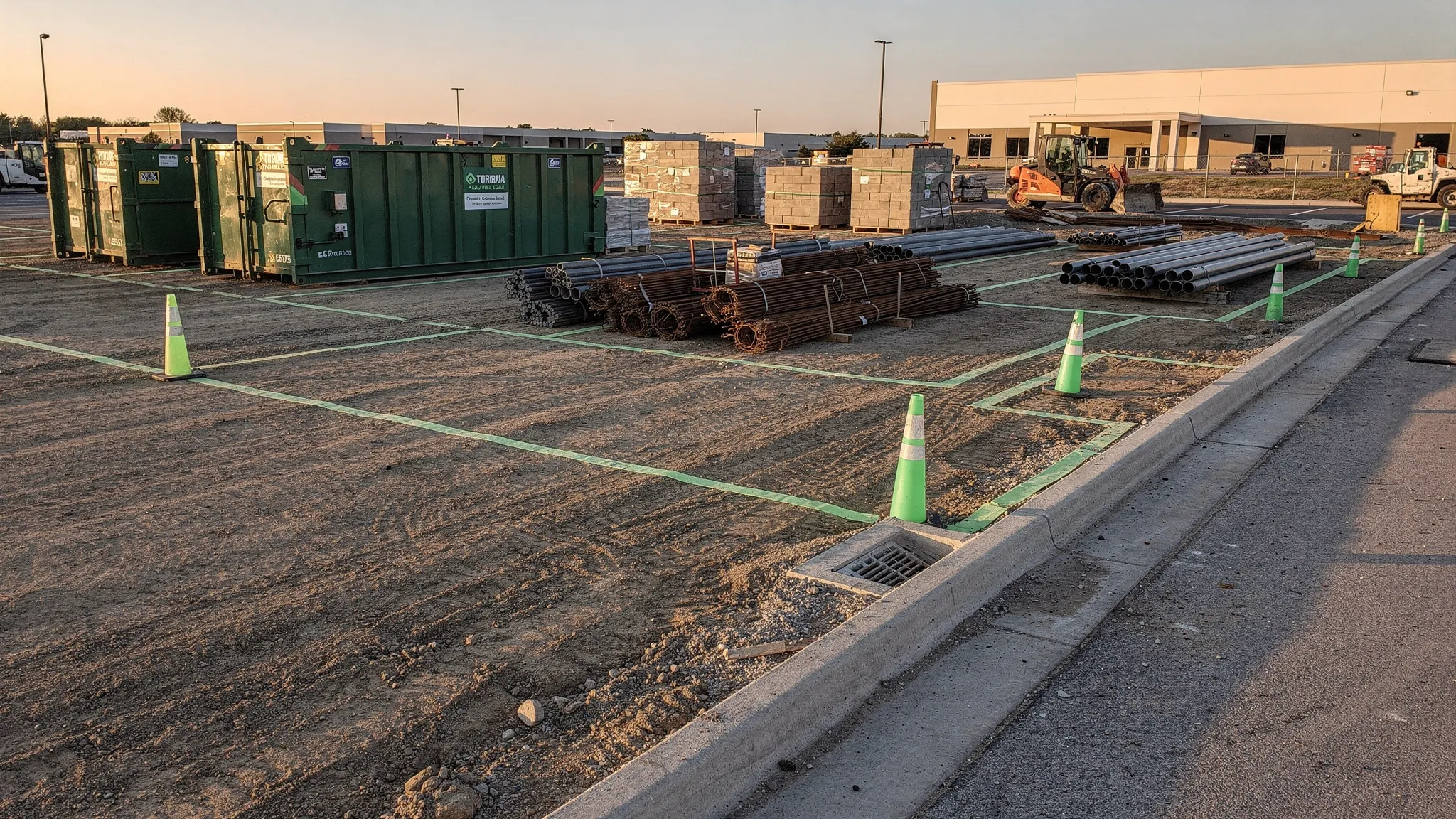
If you need a field-friendly standard for foremen and subs, use this:
That is easy to repeat in huddles and easy to enforce.
Even well-run sites hit phases where production outpaces manual cleanup. Consider professional street sweeping or site sweeping when:
Reliable Sweepers provides construction site sweeping, asphalt paving cleanup, magnet sweeping, dust and mud control, and emergency response across Middle Tennessee. The practical advantage is not just appearance, it is protecting momentum so crews can keep building instead of chasing mess.
Job site clean up works best when it is built into the day, owned by zones, protected by simple rules (travel lanes and gate control), and reinforced with trigger-based response. Those habits reduce friction you rarely see on a Gantt chart, but you feel it every time a delivery lands on time, an inspection goes smoothly, or a crew starts the morning without yesterday’s obstacles.
If you want help translating these habits into a realistic on-site sweeping cadence for your project in the Nashville area, a quick walkthrough with a local sweeping partner can usually identify the two or three hotspots that create 80 percent of the cleanup headaches.
Reliable Sweepers provides comprehensive street sweeping and property maintenance services across Middle Tennessee. Whether you're managing a construction site, commercial property, or residential development, our experienced team delivers the professional cleaning solutions you need.