
Lot cleaning services are often treated as an appearance line item, but the bigger value is operational. A clean lot drains better, gives vehicles more predictable traction, reduces trip and puncture hazards, and lowers the chance that sediment or trash reaches storm drains. For commercial property managers, contractors, HOAs, industrial teams, and municipal buyers in Middle Tennessee, that can mean fewer complaints, safer access, and fewer urgent cleanups after heavy rain.
The key is to treat cleaning as a drainage and safety program, not just a pass with a sweeper. Water follows the low points of your pavement. Debris follows traffic, wind, and runoff. When those paths overlap, curb lines, inlets, ramps, loading areas, and entrances become problem zones quickly.
Drainage problems rarely start as dramatic flooding. More often, they begin with small piles of leaves, grit, mulch, gravel, litter, or construction sediment collecting along the curb. After a few storms, those piles compact. Water slows down, spreads across travel lanes, and carries more material toward the next low point.
That same buildup affects safety. Fine dust and pollen can make walking surfaces slick when wet. Loose aggregate can reduce tire grip. Mud track-out can hide pavement markings and create slip hazards near sidewalks. Metal fragments can puncture tires or injure workers. If a lot has poor lighting or heavy traffic, small hazards become harder to see and easier to hit.
The EPA's NPDES Stormwater Program explains how stormwater can carry pollutants and sediment from paved surfaces into waterways. For property teams, that makes routine sweeping and debris removal more than cosmetic maintenance. It is a practical way to reduce material before it reaches drainage structures.
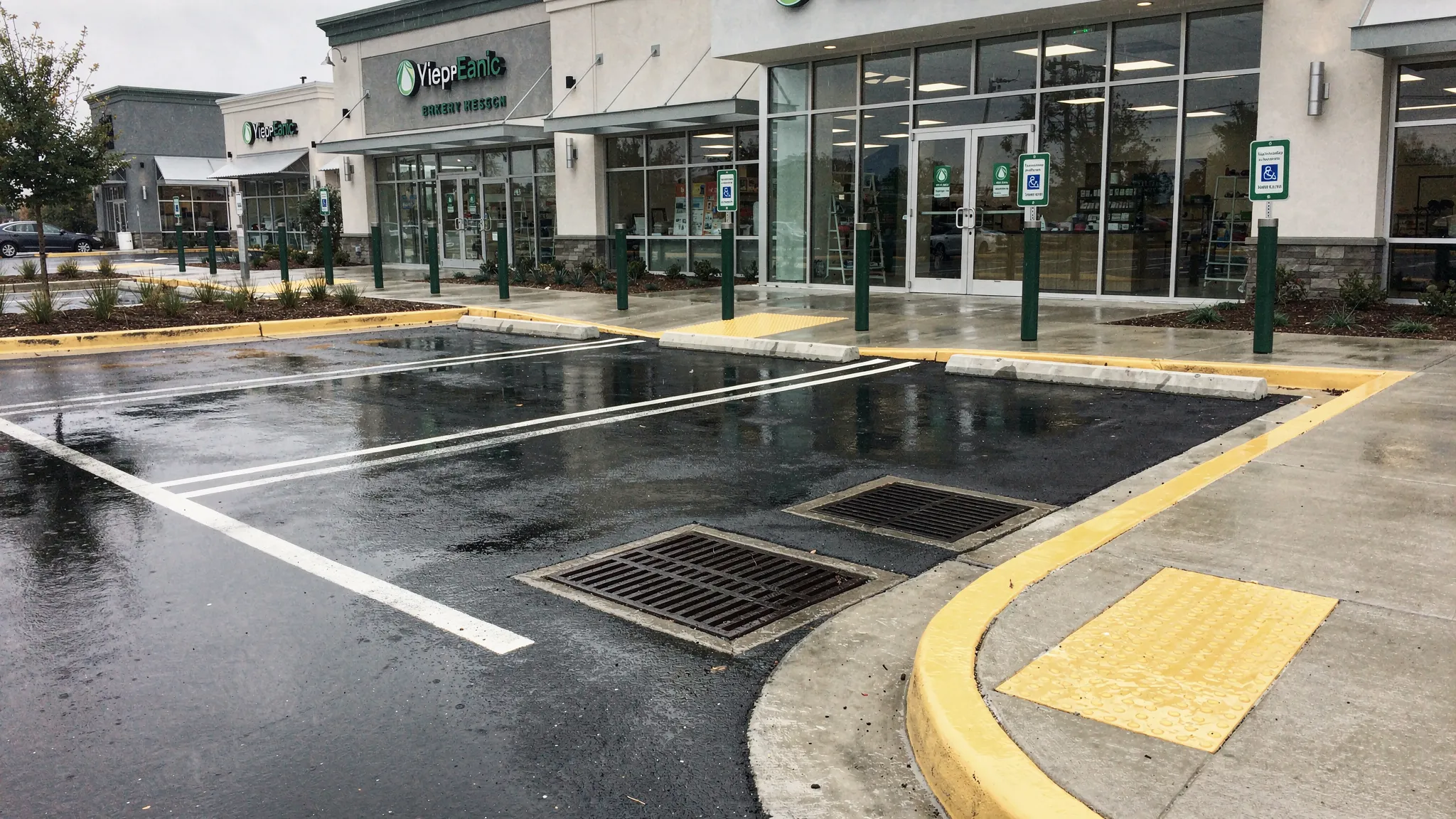
A paved lot is designed to move water toward drains, swales, curb cuts, or other controlled discharge points. Cleaning fails when it ignores those flow paths. The middle of the drive lane may look acceptable while the gutter line is quietly holding the material that causes the next drainage issue.
Common drainage blockers include leaves and pine needles, which mat together and form temporary dams around inlets. Gravel and loose aggregate settle into curb lines and reduce gutter capacity. Construction mud dries into fine sediment, then moves again during rain. Trash, cups, plastic film, and food packaging can cover grates. Mulch and landscape material wash from islands into low spots and collect at curb returns.
These materials do not have to fully block an inlet to create problems. Even partial buildup slows flow, increases ponding, and gives sediment more time to settle. Over time, standing water can contribute to pavement deterioration, faded markings, algae growth, customer complaints, and freeze-related hazards during cold snaps.
Clean pavement gives people and vehicles a more predictable surface. That matters in every type of lot, from retail centers and medical offices to construction entrances and industrial yards.
The most common safety risks are not always obvious during dry weather. They show up after rain, during high traffic, or when lighting is limited. A safe lot cleaning plan should target hazards before they become incidents.
Important risks to watch include:
For more on preventing exterior slip and trip issues, Reliable Sweepers has a related guide on professional maintenance tips to reduce slip and trip risks.
The right scope depends on the site, traffic, debris load, and risk areas. Still, most effective lot cleaning services follow a similar sequence: identify where debris collects, remove bulk material, clean edges, sweep traffic surfaces, and verify that water paths are open.
A strong service plan may include:
For clogged internal catch basins or underground drainage problems, sweeping alone may not be enough. In those cases, a property team may need a drainage, plumbing, or vacuum service in addition to exterior lot cleaning.
A drainage-first cleaning workflow starts at the top of the site and works toward the low points. If crews clean the lowest drain area first, then push or blow more material toward it, the final result may still fail after the next storm.
The better approach is to remove loose debris from traffic lanes and islands first, then reset edges and curb lines, then clean around drainage points. Dry removal should usually come before wet cleaning. Sweeping and pickup capture material. Rinsing too early can turn dry sediment into slurry and move it toward drains, which creates more compliance and cleanup problems.
On sites with construction activity, asphalt paving, heavy deliveries, or landscape work, cleaning should also be timed around the messy operations. A sweep before a major delivery may help access, but a sweep immediately after the delivery may be the one that prevents track-out and complaints. The most efficient plan often combines a baseline schedule with event-triggered service.
There is no single correct frequency for every property. A small office lot with light traffic and few trees may need a different cadence than a retail center, warehouse yard, HOA road, or construction entrance. In Nashville and across Middle Tennessee, weather and seasonal debris make trigger-based cleaning especially important.
A practical schedule should include three layers.
If you are setting a cadence for the first time, start with the areas that affect safety and drainage most: entrances, pedestrian routes, curb lines, inlets, loading areas, and dumpster pads. Then adjust based on what you see after rain and after busy traffic periods. Reliable Sweepers also covers scheduling in more detail in this guide to parking lot sweeping services and frequency.
Not every square foot carries the same risk. When budgets or access windows are tight, cleaning should focus first on zones where debris creates drainage issues, safety concerns, or customer complaints.
Entrances collect track-out from roads, construction areas, gravel shoulders, and landscaping. They are also high-visibility zones where customers, tenants, inspectors, and delivery drivers form quick impressions. Mud, gravel, and leaves near entrances can affect both traction and appearance.
Curb lines are the hidden backbone of lot drainage. They move water to inlets and outfalls, but they also trap sediment and trash. A lot can look clean from a distance while its curb lines are loaded with material. Any scope focused on drainage should require curb-line detail work, not just open-area sweeping.
Drainage structures should be visible and clear at the surface. Sweeping around grates, removing leaf mats, and clearing sediment from the approach area helps water reach the inlet. If water ponds after cleaning, the issue may involve grading, pavement settlement, internal blockage, or a capacity problem that needs further evaluation.
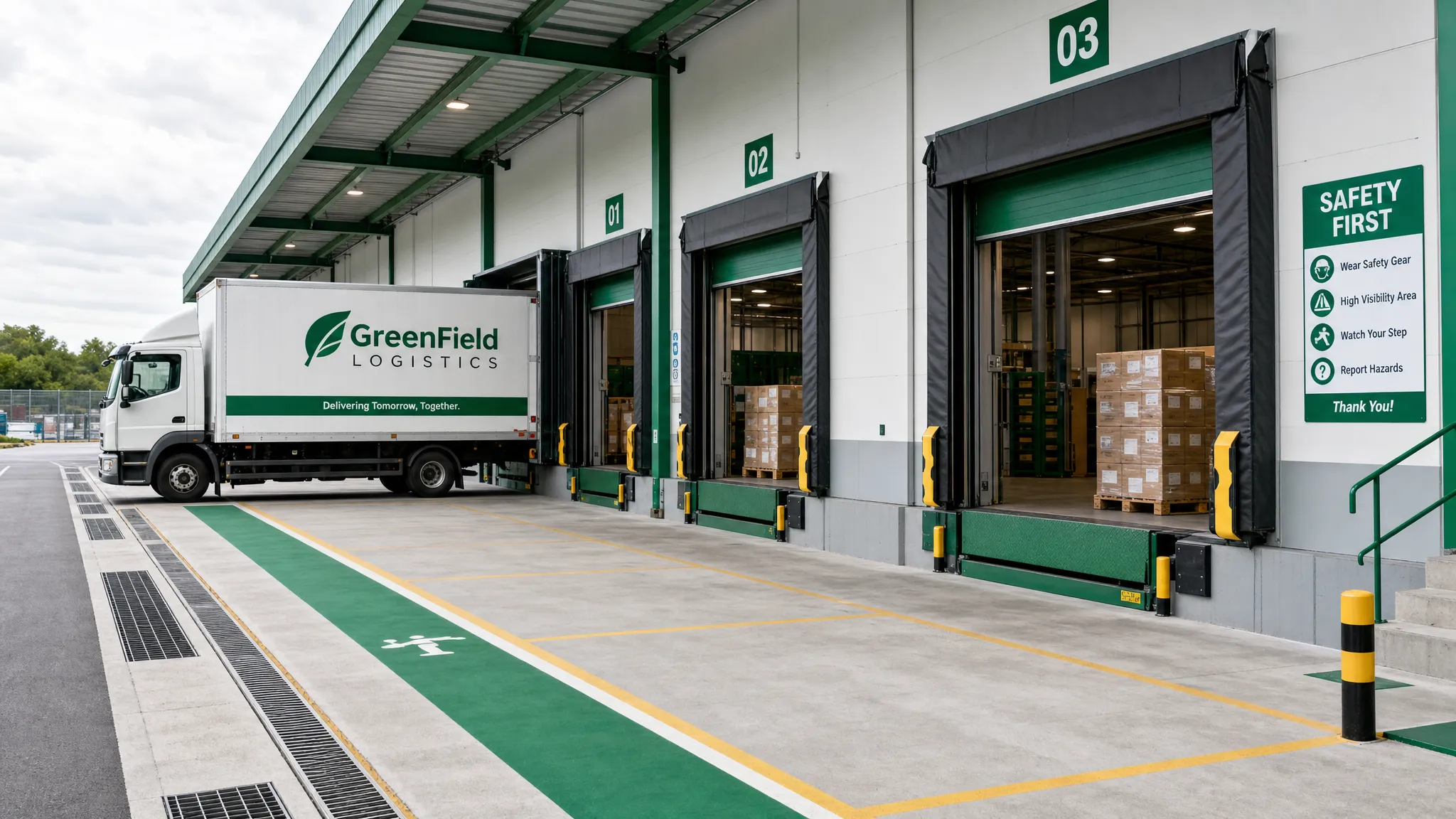
Loading zones generate pallet chips, shrink wrap, packaging, dust, and spill residue. Dumpster areas collect litter and organic material that can migrate into drive lanes and drains. These zones benefit from frequent inspection because debris can accumulate quickly between scheduled visits.
Construction entrances and haul routes are some of the highest-risk areas for mud, dust, gravel, and metal fragments. A cleaning plan should include track-out control, sweeping after heavy trucking, and magnet sweeping when fasteners or metal debris are likely.
Lot cleaning is most effective when the property also controls how debris gets onto the pavement. That may include better dumpster management, stabilized construction entrances, landscape edging, tenant move-in rules, and secure access points.
Broken gates or damaged fencing can allow illegal dumping, unauthorized parking, or uncontrolled access, all of which increase debris and safety risks. Property teams should coordinate those repairs with qualified local trades. For example, businesses in Idaho can work with a Twin Falls fencing contractor for fence and gate needs, while keeping sweeping and drainage maintenance on a separate routine.
The principle is the same in Nashville: cleaning should not be the only control. It should work alongside access management, tenant communication, drainage maintenance, and clear site standards.
Some cleanup methods look fast but create bigger problems later. The goal is not to move debris out of sight. The goal is to remove it from the paved surface and keep it out of drains, pedestrian paths, and traffic lanes.
Avoid these common mistakes:
If wet cleaning or pressure washing is needed, it should be targeted and controlled. Many lots need dry sweeping first, followed by spot treatment only where stains, gum, residue, or compacted material remain.
A clear scope prevents confusion and makes bids easier to compare. Instead of asking for a clean lot, define the outcomes you need. For drainage and safety, that means specifying zones, debris types, cleaning methods, timing, and proof of completion.
A useful scope should include:
This approach also helps prevent scope gaps. For example, a provider may sweep the open lot but exclude dumpster pads, sidewalks, or drain-adjacent cleaning unless those areas are named. If drainage and safety are the goals, those details matter.
In-house staff can handle light litter pickup and small spot issues, but professional service is usually worth it when debris is widespread, recurring, safety-sensitive, or tied to drainage and compliance concerns. Equipment, operator experience, and scheduling flexibility make a noticeable difference on larger paved areas.
Professional support is especially useful for:
Reliable Sweepers provides exterior-focused sweeping and property maintenance services across Nashville and Middle Tennessee, including construction site sweeping, asphalt paving cleanup, industrial warehouse sweeping, parking lot and garage cleaning, neighborhood and HOA sweeping, municipal sweeping, emergency response, magnet sweeping, and dust and mud control. The best starting point is a site-specific walkthrough that identifies drainage paths, traffic patterns, debris sources, and scheduling constraints.
For stormwater-friendly cleaning practices, you may also find this guide on Nashville environmental cleaning basics helpful.
What are lot cleaning services? Lot cleaning services are exterior maintenance services for paved areas such as parking lots, construction lots, industrial yards, loading zones, HOA streets, and municipal surfaces. They can include litter pickup, mechanical sweeping, curb detail work, magnet sweeping, dust and mud control, and emergency cleanup.
How does lot cleaning improve drainage? Lot cleaning removes sediment, leaves, trash, gravel, and debris from curb lines, low spots, and storm drain approaches. This helps water move along the intended drainage path instead of ponding across drive lanes or carrying debris into inlets.
Can lot cleaning reduce slip and trip risks? Yes. Regular cleaning helps remove mud, wet leaves, loose aggregate, litter, pallet fragments, and metal debris that can create slip, trip, puncture, or traction hazards. It is especially helpful near entrances, sidewalks, loading areas, and pedestrian crossings.
How often should a commercial lot be cleaned? Frequency depends on traffic, trees, tenant activity, construction, weather, and drainage sensitivity. Many properties use a baseline schedule plus extra trigger cleanings after storms, leaf drop, heavy deliveries, track-out, or visible debris buildup.
Is sweeping enough if my lot already has standing water? Sweeping can help if ponding is caused or worsened by surface debris blocking water paths. If water remains after curb lines and drain approaches are clear, the property may have grading, pavement, inlet, or underground drainage issues that require further evaluation.
Should magnet sweeping be part of lot cleaning? Magnet sweeping is recommended when metal debris is likely, such as after construction, roofing, fencing, maintenance, industrial work, or tenant improvements. It helps reduce tire punctures and sharp debris hazards.
If your lot has recurring puddles, clogged curb lines, mud track-out, metal debris, or safety complaints, a better cleaning plan can make a measurable difference. Reliable Sweepers can help property managers, contractors, HOAs, industrial facilities, and municipal teams build a site-specific sweeping schedule for drainage, safety, and compliance support across Middle Tennessee.
Contact Reliable Sweepers to request a walkthrough or quote for professional lot cleaning services in the Nashville area.