If you are pricing Nashville street sweeping services, the biggest source of frustration is unclear expectations: What exactly will the crew clean, what is considered “detail work,” and when should you schedule service so you do not get surprised by track-out, clogged drains, or a failed inspection.
This guide breaks down what a professional street sweeping visit typically includes, what is usually outside the scope, and the most common “schedule it now” moments for construction sites, commercial properties, HOAs, and municipal routes in the Nashville area.
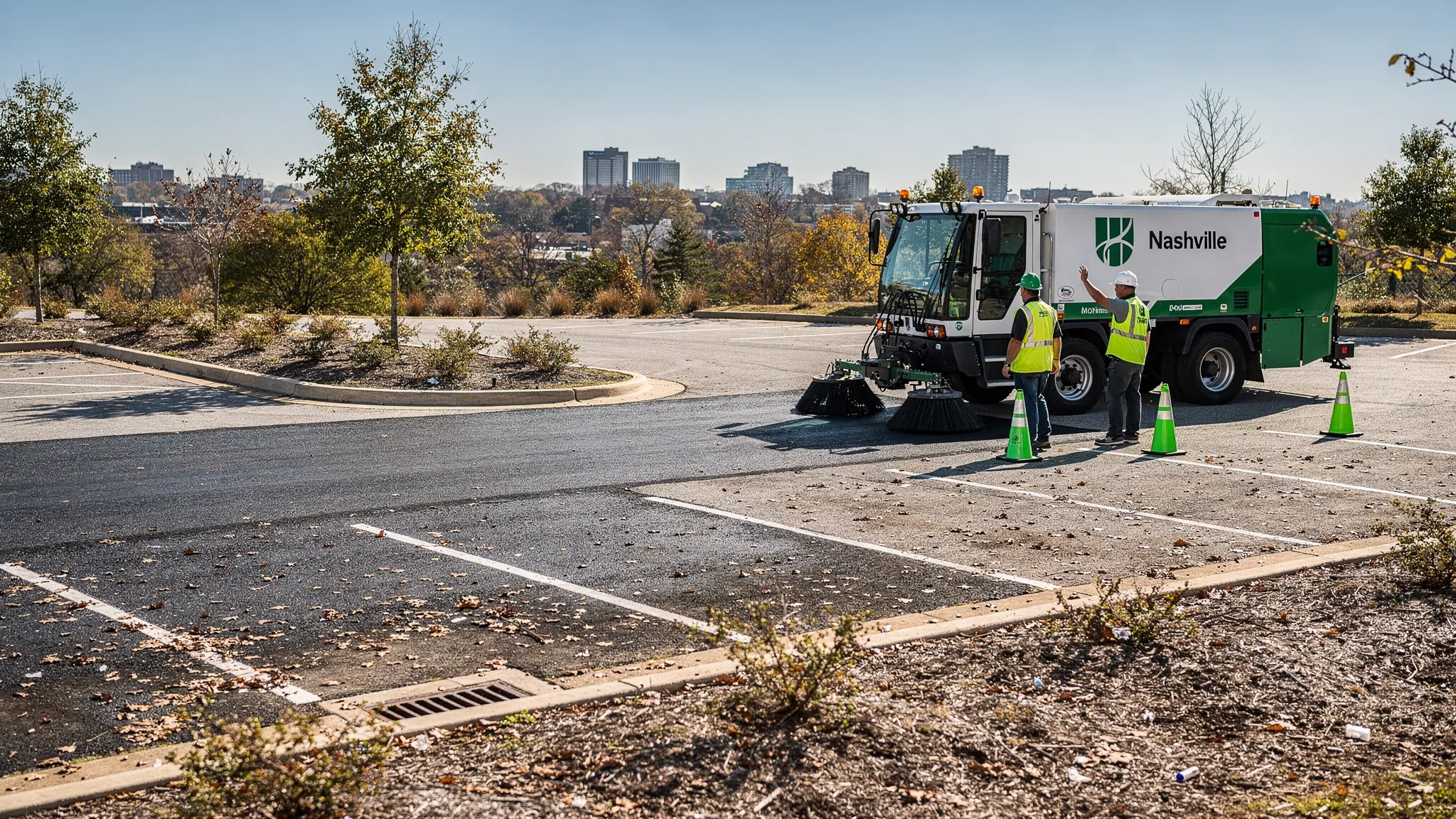
Street sweeping is not just a quick pass down the middle of a lot. A professional scope usually combines debris removal, edge detailing, and targeted controls for the material you are dealing with (fine dust, mud, nails, leaves, loose trash).
Here are the most common inclusions to expect.
Most successful visits start with a quick review of:
This matters because “best effort” sweeping can still leave problem zones untouched if the plan does not account for obstructions or high-risk edges.
The core of street sweeping is mechanical removal and containment of debris from:
Good sweeping is outcome-based, meaning the expectation is not only that debris moves, but that it is captured and removed.
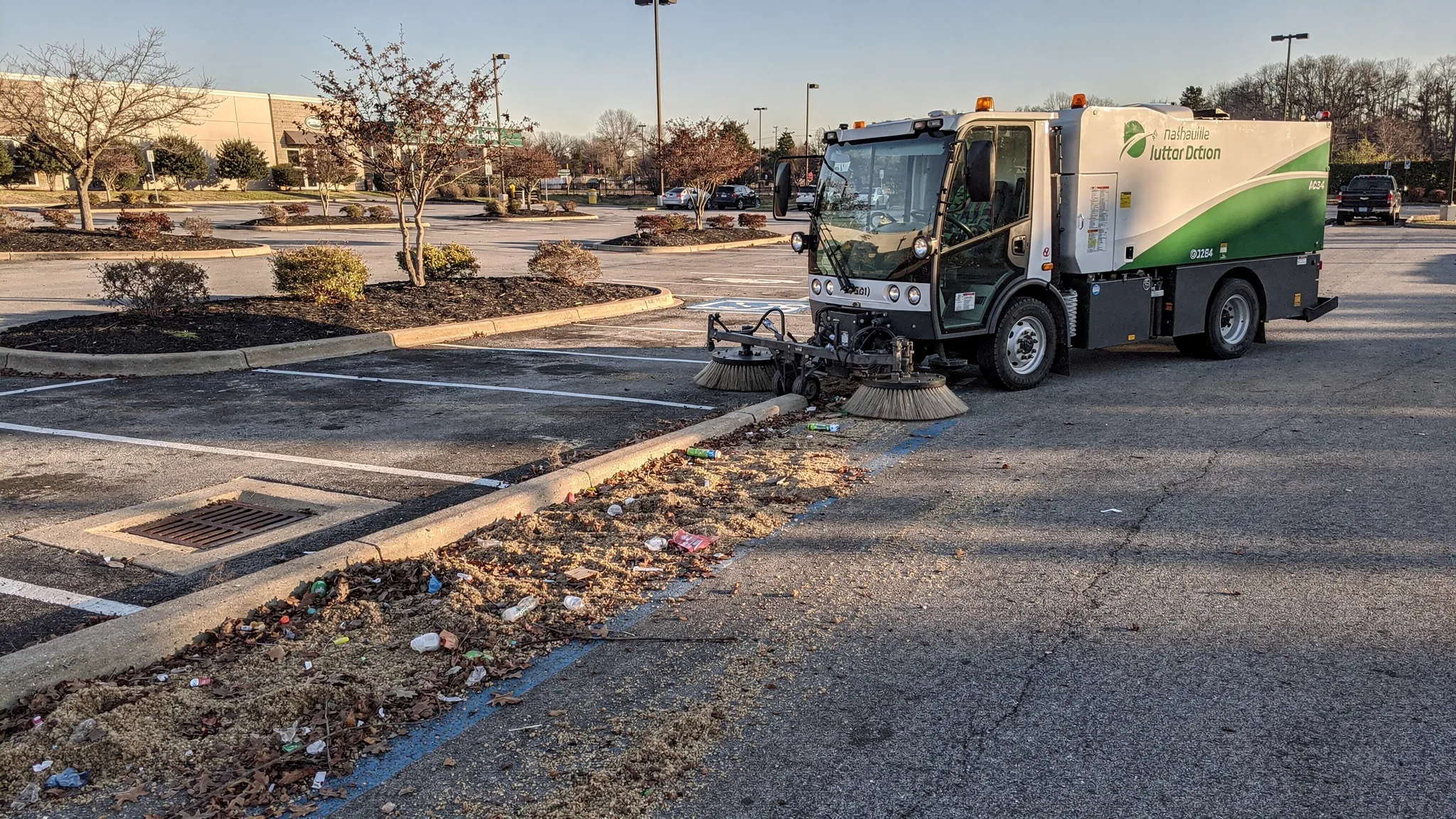
Edges are where debris hides and where many properties fail a “clean and maintained” standard.
A typical professional visit often targets:
If your goal is drainage performance, curb line detail is often the difference between “looks better” and “actually drains better.”
Sweeping produces collected material that needs to be handled appropriately. Depending on your site and agreement, service may include:
Because disposal rules and costs can vary by material (for example, construction sediment vs. general litter), clarify this in the scope before work begins.
If your site has roofing, framing, MEP rough-in, or ongoing deliveries, metal debris is a common safety and tire-risk issue.
Magnet sweeping is typically used to capture:
This is one of the highest value add-ons for sites that want to reduce punctures, call-backs, and last-minute touchups.
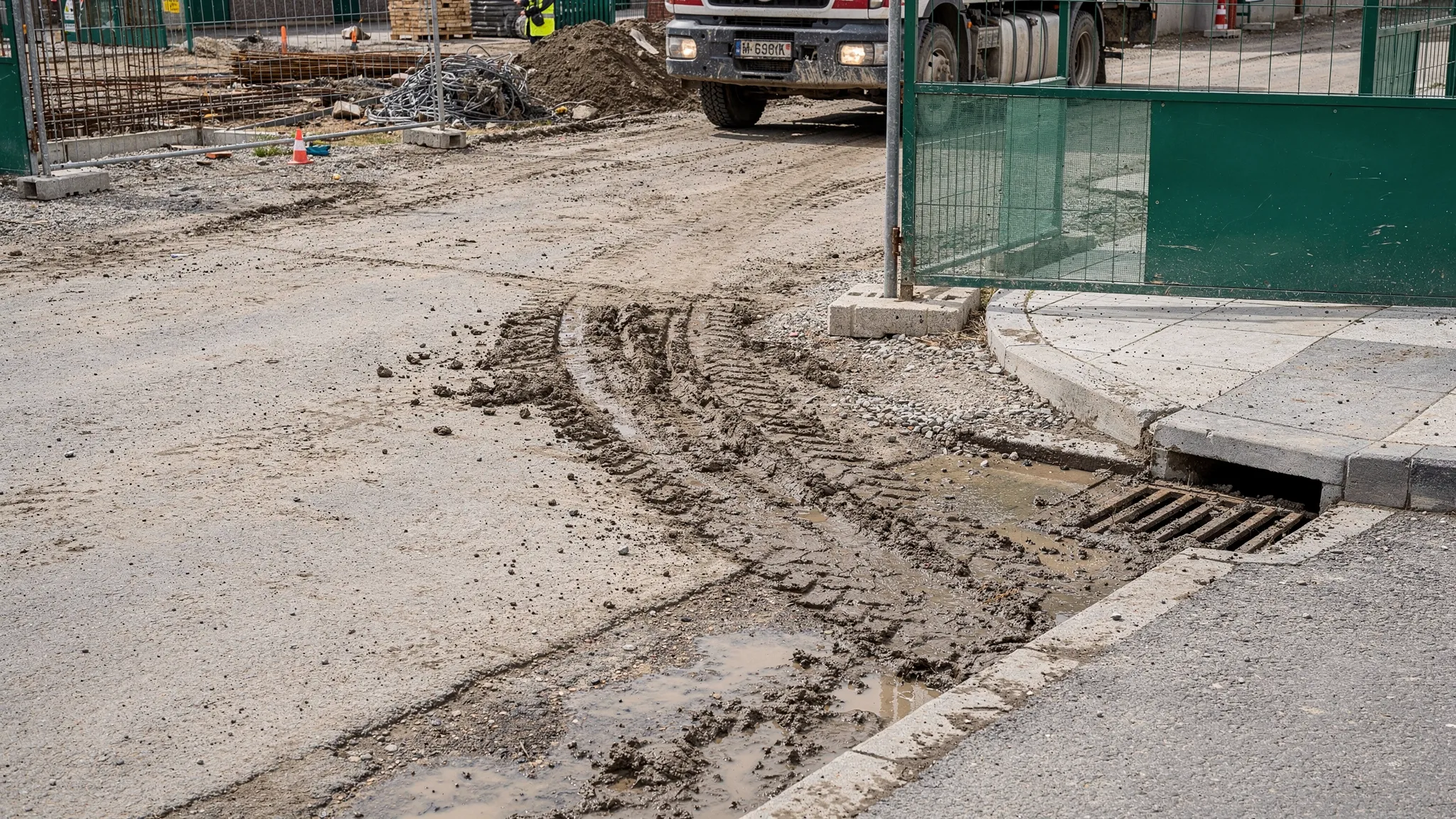
In Nashville and Middle Tennessee, rain, clay soils, and active construction can quickly turn entrances and public edges into a mud-tracking problem.
Street sweeping services commonly support:
For compliance and water-quality protection, dry removal is often preferred over washing sediment toward inlets. The EPA notes that stormwater runoff can carry sediment and other pollutants into local waterways, which is why controlling sediment at the source is a core best practice on construction and industrial sites (see EPA stormwater resources at epa.gov/npdes).
Many properties need sweeping because something went wrong, not because it was on the calendar.
Emergency response commonly covers:
If this is a priority for you, ask your provider about response windows and after-hours options.
Sweeping companies can solve a lot, but not everything. The following items are commonly excluded or handled as separate services.
Sweeping is designed for dry debris. It typically does not include:
If you suspect hazmat, do not assume a sweeper crew can handle it. Pause and confirm the correct response plan.
Concrete slurry is a common compliance problem, but it is not “just dirt.” It can harden, bond to pavement, and create runoff issues.
Many sweeping scopes exclude slurry removal unless it is specifically planned and paired with the right containment method.
Pressure washing can be useful after dry removal, but it is a different scope, equipment set, and compliance requirement.
If you want washing, clarify:
Street sweeping services generally focus on paved exterior surfaces. Interior turnover, window cleaning, and high-access dusting are separate specialties.
For construction projects, it helps to split your plan into “exterior turnover” and “interior turnover” so you do not pay twice or leave gaps.
A calendar-based schedule is a good baseline, but most properties stay clean and compliant by adding trigger-based sweeps. Below are the most common timing drivers in the Nashville area.
Construction sweeping is highest value when it prevents a problem, not when it hides one.
Common “schedule it now” moments include:
If you want a field-ready timeline, Reliable Sweepers also shares a more specific pre-inspection approach in Site Cleaning: What to Do Before a City Inspection.
For commercial sites, the best schedule depends less on square footage and more on what is feeding debris.
Typical timing triggers:
If you need help choosing cadence by property type, the frequency guide in Parking Lot Sweeping Services: When and How Often to Sweep goes deeper on real-world scheduling factors.
Neighborhood and HOA sweeping is often driven by:
A good HOA plan focuses on edges, intersections, and drainage paths, not just the middle of the street.
Municipal sweeping timing often spikes:
In these cases, the “when” is usually tied to maintaining drainage performance and keeping debris from moving into waterways.
Even with a good scope, you should know what “normal” looks like when a crew arrives so you can coordinate tenants, trades, or site access.
Expect some combination of:
If your site cannot be cleared, a good provider will tell you what can be done effectively and what should be rescheduled or handled with a different approach.
Most crews will start with accessible open pavement, then work into:
If your priority is “inspection-ready,” communicate that up front so edges and inlets are treated as first-class scope items.
Many site teams ask for simple verification such as:
If documentation is important to you, request it as part of the scope so it is consistent.
Middle Tennessee has a few predictable patterns that make sweeping needs less “random” than they feel.
Rain can turn active sites into track-out problems overnight, especially where clay soils and unpaved staging areas meet finished pavement. Plan for post-rain resets in your schedule and budget, particularly during wetter months.
Pollen behaves like dust. It builds in curb lines, collects in corners, and gets tracked into buildings and garages. If your property is customer-facing, spring is a good time to add an extra sweep to prevent a constant “dirty” look.
Leaves are not only a curb appeal issue. They reduce drainage performance when they block curb lines and storm drain inlets. A short seasonal increase in sweeping can prevent longer-term problems.
Even if you are not building, nearby construction can increase dust, loose aggregate, and debris migration onto your site. This is a common reason “we never used to need sweeping” suddenly changes.
Sweeping quotes are most accurate when you provide a clear target and constraints. When you reach out, be ready to share:
If you are dealing with mud, dust, and mixed debris from active work, the cleanup overview in Pavement Cleaning Services: Remove Mud, Dust, and Debris Fast can help you describe the situation accurately.
What is included in Nashville street sweeping services? Most professional street sweeping includes mechanical sweeping of pavement, curb line detailing, debris capture, and optional add-ons like magnet sweeping, dust and mud control, and emergency response.
How do I know if I need magnet sweeping? If your site has construction activity, roofing, framing, frequent deliveries, or tire punctures from nails and screws, magnet sweeping is a practical add-on to reduce hazards that standard sweeping can miss.
Should I sweep before or after a rainstorm? For construction and muddy conditions, sweeping after rain is often essential because entrances and haul routes reset and track-out increases. If you are trying to prevent material from reaching drains, plan dry removal as soon as conditions allow.
Is street sweeping enough for stormwater compliance? Sweeping is a major best practice for removing sediment and debris before it reaches storm drains, but compliance usually also depends on source controls (stabilized entrances, material storage, inlet protection) and consistent documentation.
How often should commercial properties schedule sweeping? It depends on traffic, seasonal debris, trees and landscaping, tenant use, and site layout. Many properties set a baseline schedule, then add trigger-based sweeps after storms, events, or nearby construction.
If you want clear expectations and a schedule that fits how your site actually gets dirty, Reliable Sweepers provides Nashville street sweeping services across Middle Tennessee, including construction site sweeping, parking lot and garage cleaning, magnet sweeping, dust and mud control, and emergency response.
Request service or learn more at Reliable Sweepers.