Debris risk is not spread evenly across Middle Tennessee. Two properties can be only a few miles apart, yet have completely different cleanup needs because of construction activity, truck traffic, tree cover, drainage patterns, or nearby retail and industrial uses.
For property managers, contractors, facility teams, and HOA boards, the goal is not to label one city as “dirty” and another as “clean.” The goal is to understand which surrounding areas of Nashville TN are more likely to experience mud, dust, litter, leaves, metal debris, and stormwater problems so you can plan sweeping before complaints, inspections, or safety issues appear.
This guide is a practical risk map, not an official ranking. Use it to identify common debris drivers, prioritize high-risk zones, and build a sweeping plan that fits your site.
A high-debris area is usually not caused by one problem. It is often the overlap of traffic, growth, weather, and site layout. Around Nashville, the most common risk factors include active development, busy commuter corridors, industrial yards, large retail centers, seasonal vegetation, and drainage low points.
Construction sites can track mud and aggregate onto public roads and parking areas. Warehouses and distribution centers can generate pallet fragments, shrink wrap, cardboard, dust, and metal pieces near docks and drives. Retail centers accumulate food packaging, receipts, landscaping debris, and wind-blown trash. Older corridors with mature trees often see heavier leaf buildup, especially near curb lines and storm inlets.
The biggest warning sign is repeat buildup in the same place. If the same drain, entrance, dock, or curb return is dirty after every storm or delivery cycle, that zone needs a planned response, not occasional cleanup.
Franklin, Brentwood, and Cool Springs combine office campuses, retail centers, medical properties, residential growth, and ongoing construction. That mix creates a steady flow of debris from landscaping, deliveries, parking turnover, and nearby buildouts.
Cool Springs properties often need closer attention around shopping center entrances, restaurant pads, loading zones, and parking lot islands. In Brentwood and Franklin, debris risk is often tied to construction activity, curb-line leaf buildup, and stormwater flow across sloped pavement.
The most common cleanup priorities in this corridor are curb-line sweeping, parking lot sweeping after high-traffic periods, magnet sweeping near construction-adjacent properties, and post-storm inspection of inlets and low spots. If your property sits near an active project, add trigger-based sweeping after major deliveries, grading, paving, or heavy rain.
For more corridor-specific planning, Reliable Sweepers has a related guide on the Franklin to Nashville site care corridor.
Rutherford County growth makes Murfreesboro, Smyrna, and La Vergne some of the most debris-sensitive areas around Nashville. Residential construction, industrial parks, distribution centers, commuter traffic, and commercial development all increase the chance of dust, sediment, tire-tracked mud, and packaging debris.
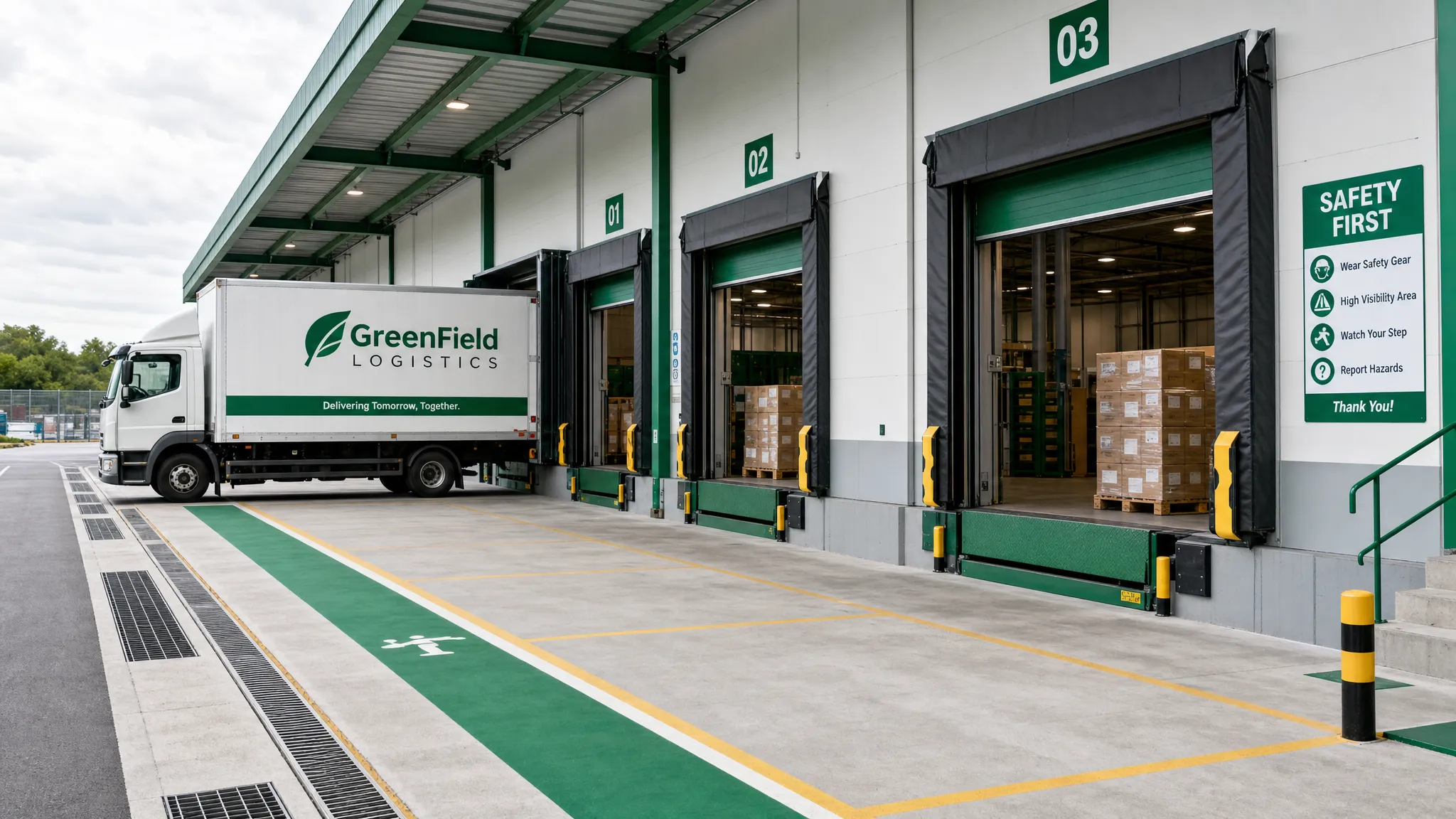
Industrial and warehouse sites in this corridor should pay special attention to truck courts, trailer rows, dock aprons, employee parking edges, and access roads. Small debris in these areas can move quickly from private pavement to public roads, especially during rain or high wind.
For construction sites, the main concern is track-out. Mud and loose stone at entrances can become a safety issue for drivers, a nuisance for neighboring properties, and a stormwater concern if sediment reaches inlets. The best approach is usually a combination of source control, routine sweeping, and faster cleanup after rain.
East of Nashville, debris risk often follows logistics, retail, and commuter patterns. Mt. Juliet and Lebanon have seen continued commercial and industrial growth, while Hermitage and Donelson combine older commercial corridors, retail centers, apartments, and high-traffic roads.
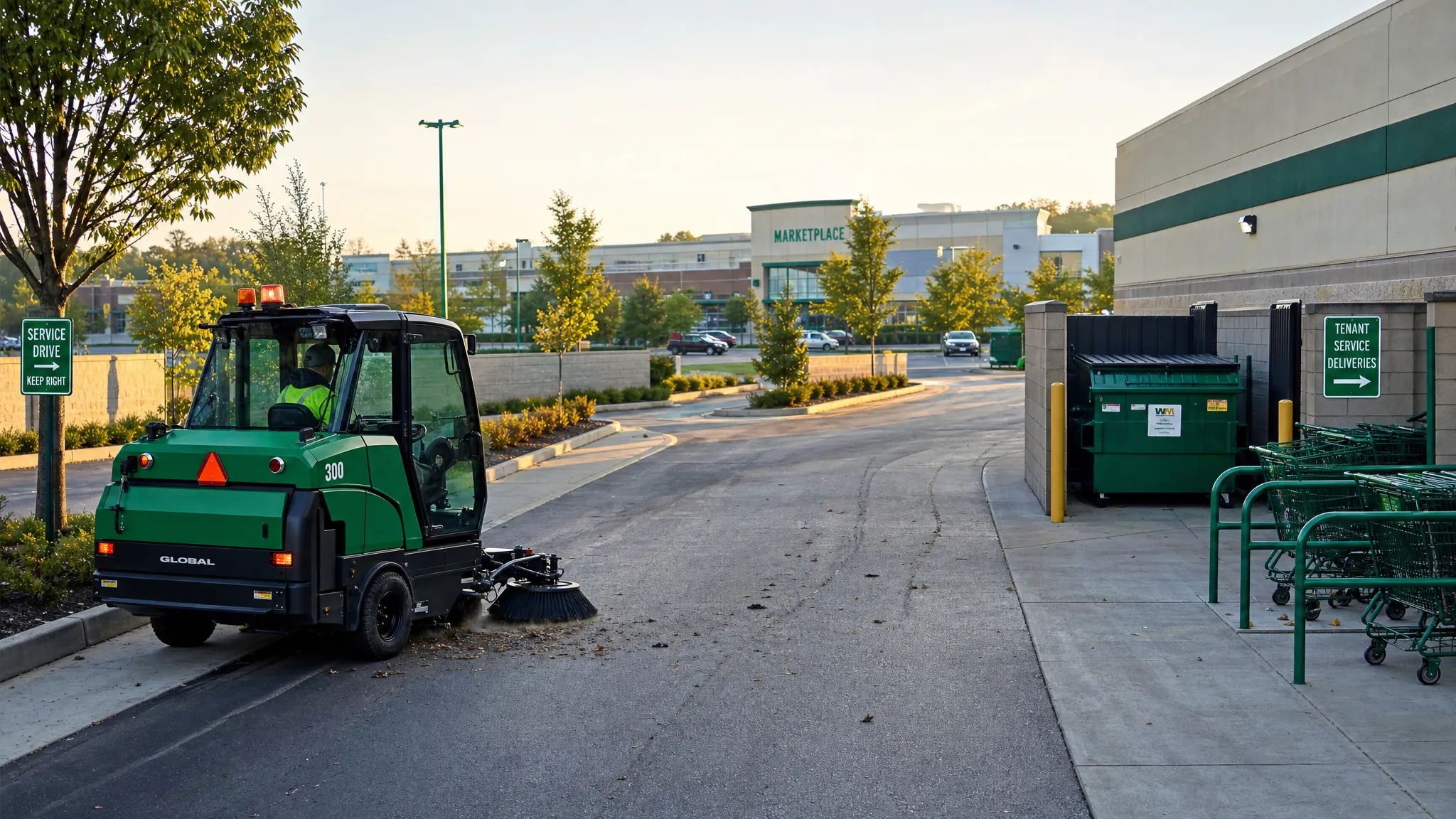
Sites near interstate access, large shopping areas, and warehouse districts tend to need more frequent sweeping because debris moves across wide paved areas. Loading docks and dumpster pads are common hot spots. Wind can carry lightweight trash and packaging into fence lines, curb pockets, landscape beds, and drains.
For logistics-heavy properties, prevention matters as much as sweeping. Covered waste containers, better dock housekeeping, scheduled cardboard removal, and right-sized packaging can reduce what ends up loose on pavement. For example, companies that handle large volumes of shipping material can limit loose cardboard waste by using durable, properly fitted corrugated packaging and custom boxes that hold up better through storage and transport.
North and northeast of Nashville, debris risk is often tied to commercial corridors, older shopping centers, mature trees, water-adjacent weather patterns, and ongoing development. Madison, Rivergate, and Goodlettsville can see heavy litter and curb-line buildup around retail, restaurants, service drives, and busy parking lots.
Hendersonville and Gallatin properties often have a different debris profile. Leaves, sediment, storm debris, and landscape material can collect near curb returns, low points, and inlets. In fall and after strong storms, routine sweeping may need to shift from appearance-focused cleanup to drainage-focused cleanup.
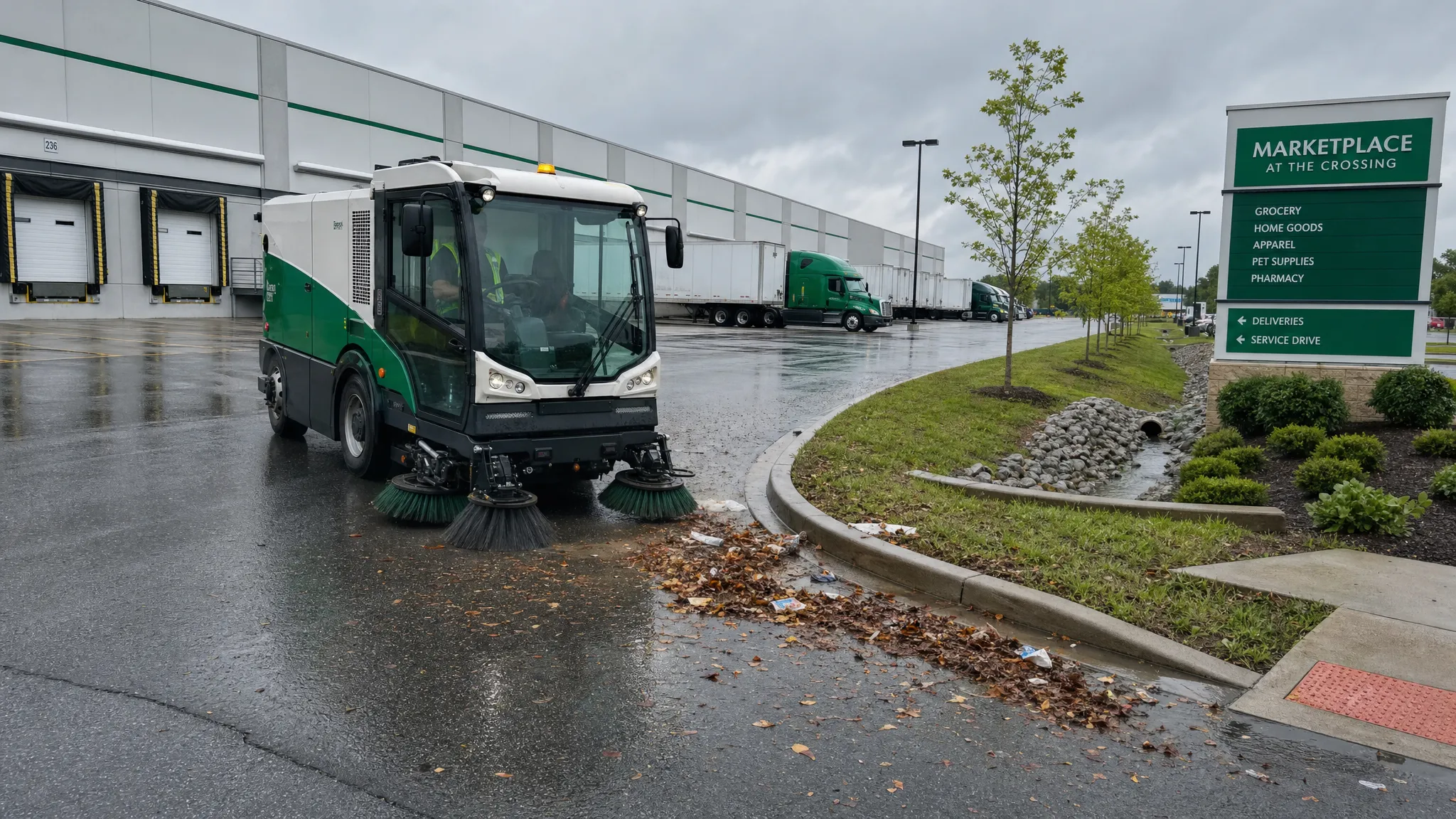
The risk is highest where pavement slopes toward a drain that is already collecting leaves, mulch, and grit. If water ponds after a storm, inspect that area first. Sweeping before debris mats down is easier and usually more effective than waiting until drains are blocked.
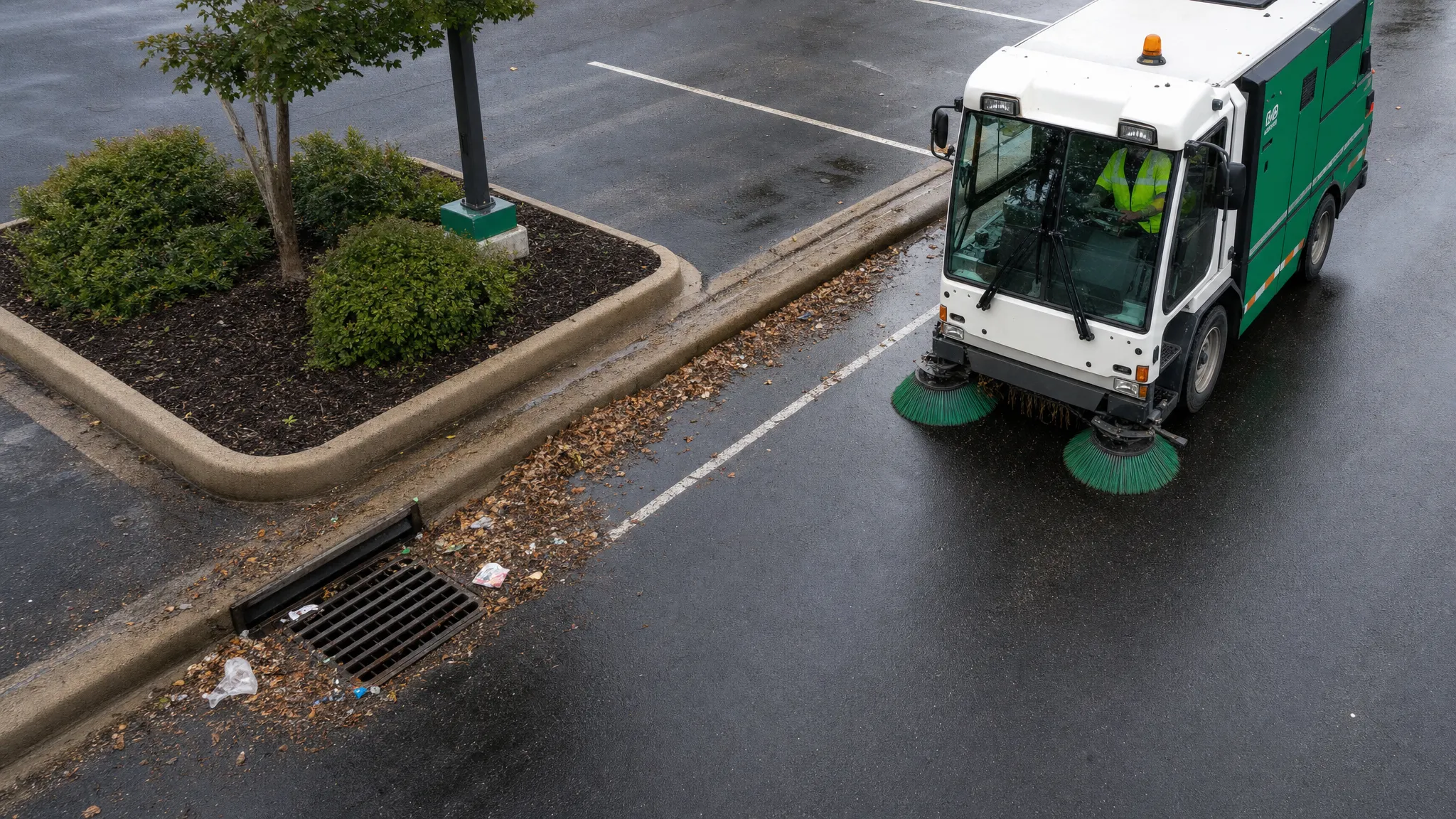
South and southeast of Nashville, many high-debris risks are tied to active residential and commercial growth. New subdivisions, road improvements, utility work, and commercial pad development can create repeated mud, aggregate, dust, and construction debris.
Antioch and Cane Ridge properties often deal with a mix of retail traffic, apartment communities, distribution activity, and construction. Nolensville, Spring Hill, and Thompson’s Station frequently see debris tied to growth corridors, new neighborhoods, and road-adjacent development.
For these areas, the biggest mistake is waiting until final cleanup. Construction dust and track-out build gradually. By the time a site is close to turnover, fine material may already be packed into pavement texture, curb lines, and entrances. A better plan includes routine rough sweeping during active phases, magnet sweeping when fasteners or metal fragments are present, and a final exterior sweep before owner walks or tenant openings.
West of Nashville, debris risk is often shaped by hills, tree cover, rain runoff, and road curves. Bellevue, Fairview, and nearby western corridors can see leaf buildup, sediment movement, gravel washout, and storm-driven material collecting at low points.
Commercial properties and HOAs in these areas should watch entrances, downhill curb lines, mailbox clusters, clubhouse parking, storm drains, and internal private roads. After storms, debris can move farther than expected, so the dirtiest point may not be the source. It may be where runoff slows down and drops sediment.
Routine sweeping helps, but the timing matters. A sweep before a forecasted heavy rain can keep leaves and loose sediment from entering drains. A follow-up after the storm can remove what moved across the pavement.
Even in higher-risk areas, debris rarely appears everywhere at once. Most cleanup problems start in predictable zones. A quick weekly inspection should focus on the places where vehicles slow, water collects, or debris transfers from one activity to another.
Start with these zones:
If you manage multiple properties, rank zones by risk rather than square footage. A small drain inlet clogged with sediment may matter more than a large open section of pavement that still looks acceptable.
Different properties in the same city can need completely different cleaning plans. A retail center in Mt. Juliet may need frequent litter and curb-line sweeping, while a nearby warehouse may need dock debris control and magnet sweeping. A construction site in Spring Hill may need track-out response after rain, while an HOA in Bellevue may need seasonal leaf and sediment control.
Construction sites typically need the most flexible plans because debris changes by phase. Grading creates mud. Utility work can leave aggregate and metal. Vertical construction creates packaging, dust, and fasteners. Paving can leave loose asphalt material and edge debris. Cleanup should follow the project phase, not a fixed calendar alone.
Industrial and warehouse properties need consistency. A weekly or biweekly baseline may work for some sites, but heavy truck traffic, outdoor storage, and dock activity can require more frequent attention. Magnet sweeping is useful when metal fragments, nails, screws, or banding are present.
Commercial properties and retail centers usually need a blend of appearance and drainage protection. Customers notice entrances, sidewalks, and drive lanes first, but curb lines and drains often determine whether the property stays clean after storms.
HOAs and neighborhood roads often look fine until leaves, sediment, and litter collect in low-visibility spots. Mailbox clusters, pool parking, amenity areas, and cul-de-sacs deserve extra attention because they generate complaints quickly.
The best sweeping schedule is not simply “more often.” It is a combination of baseline service and trigger-based response.
Baseline sweeping keeps predictable debris under control. This may be weekly, biweekly, monthly, or seasonal depending on traffic, site use, and expectations. Trigger-based sweeping happens when a specific event increases risk, such as heavy rain, paving, grading, high winds, major deliveries, tenant turnover, concerts, inspections, or leaf drop.
A practical plan should define three things clearly: which zones matter most, what “clean enough” means, and what events require an extra visit. Without those details, cleanup becomes reactive and subjective.
For example, a commercial site in Cool Springs might define the front entrance, curb lines, storm inlets, and dumpster pad as priority zones. The baseline may be weekly sweeping, with extra service after storms or construction activity. A warehouse in La Vergne may prioritize dock aprons, drive lanes, trailer rows, and exit points, with magnet sweeping after maintenance work or pallet damage.
If you are comparing service options, this related Reliable Sweepers guide on areas near Nashville that benefit from routine sweeping can help you think through frequency by property type.
Sweeping works best when it is paired with source control. If a site keeps generating the same debris every week, the cleanup plan should look upstream.
For construction sites, stabilize entrances, keep haul routes defined, stage materials away from drainage paths, and assign someone to inspect public edges after rain. For warehouses, keep dock doors and trailer areas free of loose packaging, broken pallets, and metal banding. For retail centers, make sure dumpsters are closed, outdoor trash containers are placed where customers actually use them, and landscaping crews do not blow clippings into curb lines.
Drainage should be part of the plan from the beginning. Blowing or rinsing debris into gutters may make pavement look better for a moment, but it can move the problem directly into storm drains. A dry-first approach, including sweeping, pickup, and targeted detailing, is usually the better first step.
In-house teams can handle light litter pickup, simple spot checks, and small cleanup tasks. Professional sweeping becomes more valuable when debris is widespread, recurring, safety-sensitive, or connected to stormwater and construction activity.
Call a professional sweeping crew when mud reaches public roads, curb lines are packed with sediment, drains are at risk, metal fragments are present, parking areas need after-hours service, or a site needs documentation before an inspection or turnover. The right equipment and process can reduce rework and help keep the property safer, cleaner, and more consistent.
Reliable Sweepers provides exterior sweeping and property maintenance services across Middle Tennessee, including construction site sweeping, parking lot and garage cleaning, industrial warehouse sweeping, municipal and HOA sweeping, magnet sweeping, dust and mud control, and emergency response services. For debris that is larger than a sweeper should handle, pickup or staged removal may be needed before the final pass.
For a deeper look at when sweeping is not enough, see this guide to Nashville debris removal services.
Which surrounding areas of Nashville TN have the highest debris risk? Areas with heavy construction, industrial activity, retail traffic, mature trees, or drainage low points tend to have higher debris risk. Franklin, Cool Springs, Murfreesboro, Smyrna, La Vergne, Mt. Juliet, Lebanon, Hendersonville, Gallatin, Antioch, Cane Ridge, Spring Hill, and Bellevue are common examples, depending on the property type and site conditions.
What type of debris is most common around Nashville-area properties? Common debris includes mud, dust, aggregate, leaves, pollen, litter, packaging, pallet fragments, metal fasteners, and storm-driven sediment. Construction sites usually create the most variable debris, while retail and industrial properties tend to create recurring debris in predictable zones.
How often should high-risk properties be swept? Frequency depends on traffic, debris load, drainage risk, and appearance standards. Many high-risk sites benefit from a baseline schedule plus trigger-based sweeping after storms, heavy deliveries, construction phases, paving, inspections, or seasonal leaf drop.
When is magnet sweeping needed? Magnet sweeping is useful when nails, screws, metal banding, staples, or other metal fragments may be present. It is especially helpful around construction sites, industrial yards, loading docks, paving projects, and areas where vehicle tire damage is a concern.
Can sweeping help with stormwater concerns? Yes, routine sweeping can help remove sediment, leaves, trash, and other pollutants before they reach storm drains. It should be part of a broader good-housekeeping plan that avoids pushing debris into gutters or rinsing material into inlets.
If your property is in one of the higher-risk areas around Nashville, the best time to plan cleanup is before debris becomes a complaint, a blocked drain, or a safety issue. A simple site walk can identify the zones, triggers, and methods that matter most.
Reliable Sweepers helps contractors, property managers, facility teams, HOAs, and municipal buyers keep exterior areas clean, compliant, and on schedule across Middle Tennessee. To build a practical sweeping plan for your site, visit Reliable Sweepers and request a site-specific conversation.
Reliable Sweepers provides comprehensive street sweeping and property maintenance services across Middle Tennessee. Whether you're managing a construction site, commercial property, or residential development, our experienced team delivers the professional cleaning solutions you need.