A loading dock is more than a place where trucks back in and freight moves out. It is one of the clearest signals of how well an operation is managed. Before a visitor sees your warehouse floor, before a driver checks in, and before an inspector asks a question, the dock area has already made a statement.
Clean loading docks tell people that your team is organized, safety-minded, and in control of the details. Dirty docks tell a different story: rushed schedules, unclear ownership, deferred maintenance, and avoidable risk.
For industrial facilities, warehouses, commercial properties, and distribution sites in Nashville and Middle Tennessee, that message matters. Rain, mud, pollen, construction dust, pallet debris, tire tracking, and heavy truck traffic can turn a dock apron into a problem area quickly. Keeping it clean is not about appearances alone. It is about protecting the pace, reputation, and reliability of your operation.
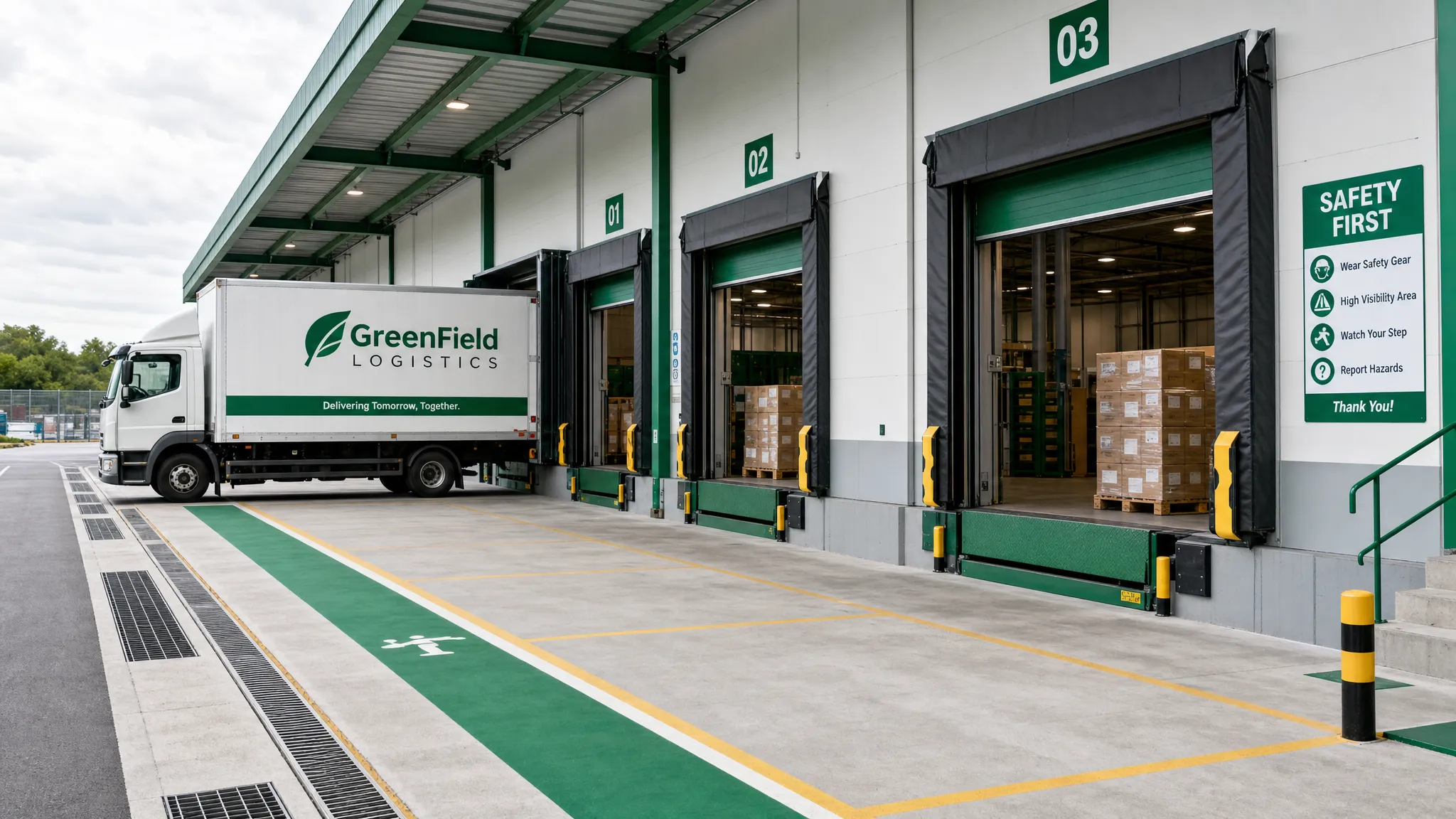
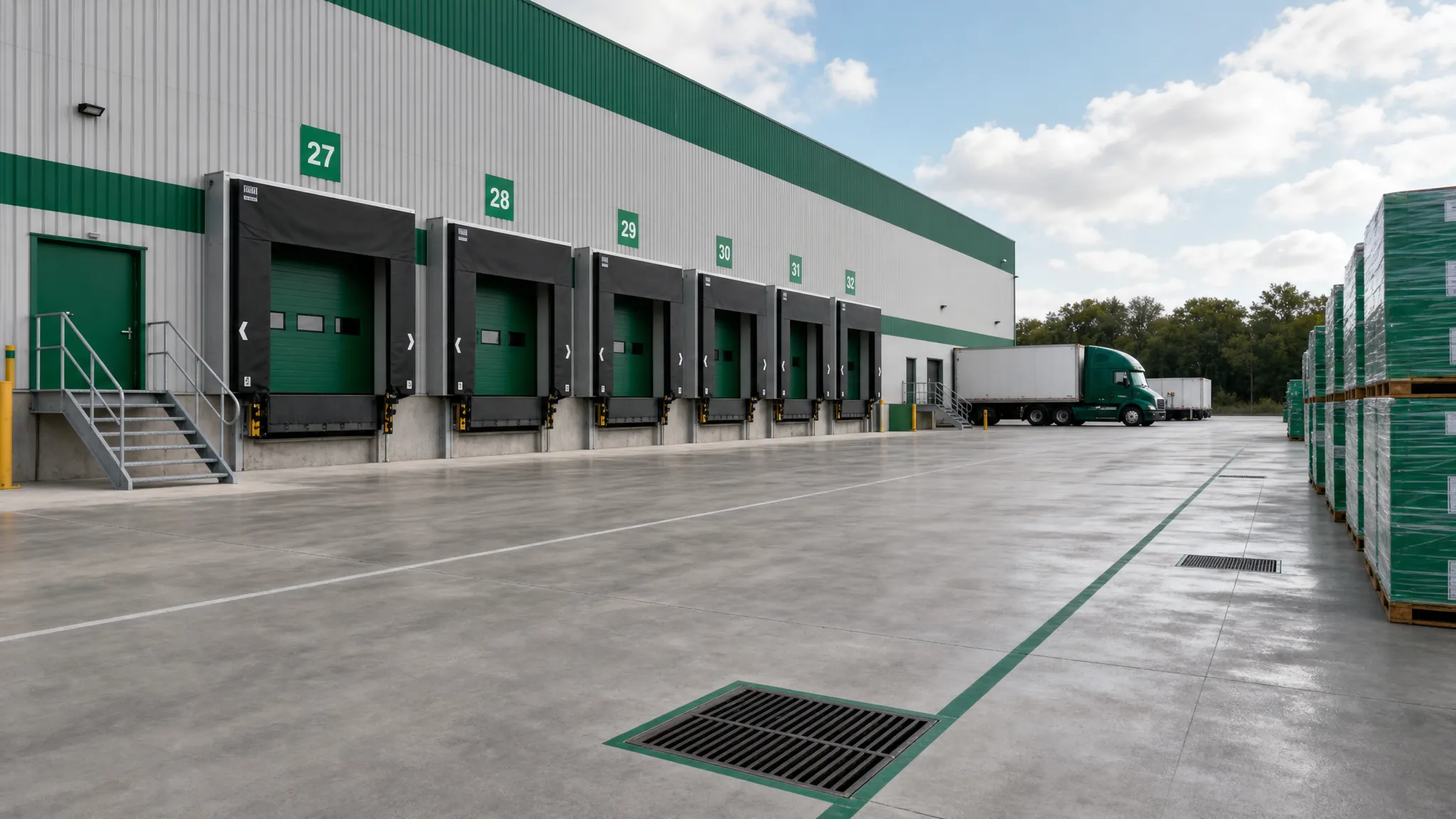
For many vendors, carriers, tenants, service contractors, and customers, the loading dock is the first working part of your facility they experience. A clean dock apron, visible lane markings, clear curb lines, and organized staging areas immediately suggest that people know where to go and what to do.
That kind of order reduces friction. Drivers are less likely to block the wrong bay. Forklift operators have fewer obstacles to navigate. Supervisors spend less time directing traffic or responding to complaints. Even small details, like removing broken pallet wood or sweeping away loose gravel, can make the dock feel controlled instead of chaotic.
A neglected dock creates the opposite impression. Loose shrink wrap, cigarette waste, nails, pooled water, mud clumps, and scattered debris can make a facility look reactive, even if the operation inside is well-run. When the exterior does not match the professionalism of the team inside, it creates a gap in trust.
Clean loading docks communicate that your standards apply everywhere, not just in customer-facing areas.
Loading docks are naturally high-risk work zones. Trucks, trailers, dock plates, forklifts, pallet jacks, pedestrians, and stacked materials all converge in a limited space. Add debris, wet pavement, or poor housekeeping, and routine movement becomes harder than it needs to be.
The safety message is simple: if a facility allows small hazards to accumulate at the dock, people may assume other hazards are being tolerated too. That may not be true, but perception matters, especially when employees, carriers, and site visitors are making quick decisions in active work areas.
Loose debris can contribute to slips, trips, tire damage, forklift instability, and product contamination. Metal fragments, nails, and banding are especially concerning because they can puncture tires or end up tracked into other areas of the property. This is where routine sweeping and magnet sweeping can support both safety and equipment protection.
OSHA’s requirements for walking-working surfaces emphasize keeping work areas in a clean, orderly, and sanitary condition. The details vary by workplace, but the underlying principle is consistent: housekeeping is part of hazard control. You can review the broader regulatory language through OSHA’s walking-working surfaces standards.
A clean dock does not eliminate every risk, but it removes unnecessary variables. When pavement is clear, drains are visible, and traffic lanes are not cluttered, your team can focus on the actual work instead of constantly adjusting around preventable hazards.
Clean loading docks often reflect strong operational discipline. That is because dock cleanliness depends on the same habits that keep freight moving: defined responsibilities, consistent timing, clear communication, and fast resets after busy periods.
When the truck court is swept and organized, patterns become easier to see. You can identify where trailers are tracking mud, where pallets are being staged too long, where loose aggregate is collecting, and where runoff is carrying sediment toward inlets. Dirt hides problems. Clean pavement exposes them.
A well-maintained dock area usually shows several signs of control:
This matters because loading dock delays rarely stay isolated. A messy dock can slow receiving, complicate outbound shipping, create trailer wait time, and interrupt warehouse priorities. Over time, the cost is not just cleanup. It is lost momentum.
If your dock connects to a larger yard, drive, or industrial exterior, this guide to industrial exterior cleanup services for yards, docks, and drives explains how routine sweeping supports safer, more dependable site movement.
Loading docks are often close to storm drains, trench drains, sloped pavement, and exterior storage zones. When debris accumulates there, it does not always stay put. Rain can carry dust, trash, sediment, leaves, pallet fragments, spilled material, and automotive residue into drainage systems.
That is especially relevant in Middle Tennessee, where sudden downpours can move debris quickly across paved surfaces. What looked like a small housekeeping issue on Monday can become a stormwater housekeeping concern after a heavy rain.
The environmental side of sweeping is easy to overlook because the work looks simple. But removing sediment, trash, and loose debris before stormwater moves it is one of the most practical ways to reduce exterior housekeeping problems. The EPA’s industrial stormwater guidance highlights how industrial activities and exposed materials can affect stormwater discharges, making prevention and good housekeeping important parts of site management.
Sweeping is not a substitute for a full compliance program, and every facility should follow the requirements that apply to its operation. Still, clean loading docks can support a broader inspection-ready mindset. If your team is working to keep exterior areas prepared for audits or inspections, Reliable Sweepers has also covered practical steps for keeping industrial yards and loading docks compliance-ready.
When a loading dock stays dirty, the cause is rarely one person forgetting to sweep. More often, it points to a gap in the operating system.
Sometimes the dock falls between departments. Warehouse teams may assume exterior cleanup belongs to property management. Property teams may assume warehouse operations will handle the dock. Carriers and contractors may leave debris behind with no clear follow-up process. Before long, everyone notices the mess, but nobody owns the solution.
In other cases, cleaning frequency no longer matches the site’s volume. A dock that handled moderate traffic two years ago may now be receiving more deliveries, more construction-related dust, or heavier truck flow. The old schedule may not be enough anymore.
Common signs of a system gap include recurring mud at the same bay, loose gravel that returns after every rain, debris collecting near the same drains, packaging waste blowing into fence lines, or metal fragments appearing after certain deliveries. These are not random problems. They are clues.
A clean dock tells visitors that your operation notices patterns and responds before small issues become larger ones.
The best loading dock cleaning plans are not complicated. They are consistent. They define what clean means, who is responsible, when cleaning happens, and what triggers extra attention.
Start by treating the dock as its own maintenance zone. That zone should include the apron, dock doors, bumpers, trailer staging area, pedestrian paths, nearby drains, adjacent curb lines, and the truck path leading in and out. If debris regularly migrates from the yard, parking lot, or construction area, include those feeder zones too.
A practical dock maintenance routine may include:
For larger facilities, a zone-based approach can make exterior maintenance easier to manage. It helps teams separate high-priority areas from lower-risk areas and assign the right frequency to each one. If your property needs that structure, this article on how to build a zone-based maintenance plan is a helpful next step.
The goal is not perfection. The goal is predictability. When people know the dock will be reset regularly, they are more likely to respect the space and report issues early.
There is no one-size-fits-all answer. A low-volume dock with limited exterior exposure may only need periodic sweeping and spot cleanup. A high-volume distribution dock may need daily attention or service after peak shipping windows. Industrial facilities, construction-adjacent properties, asphalt paving areas, and sites with gravel yards may need more frequent sweeping because debris is constantly being introduced.
Weather should also influence frequency. After heavy rain, mud and sediment may move across the apron. During dry periods, dust can build up and track inside. In fall, leaves may clog drains or collect along curbs. In Nashville, pollen season can also add a visible layer of residue to exterior surfaces.
The right schedule is the one that keeps the dock from becoming a recurring distraction. If supervisors are repeatedly calling for one-off cleanup, or if drivers are avoiding certain areas because of debris, the routine probably needs to change.
Employees notice whether leadership cares about the areas where work actually happens. A clean dock tells them their workspace matters. It also reduces frustration because they are not constantly maneuvering around preventable clutter.
Drivers notice too. A clear, swept dock area makes backing, staging, and check-in easier. It also signals that the facility respects their time. In a busy logistics environment, that can influence how carriers talk about your site and how smoothly appointments run.
Inspectors and auditors may look at documentation, procedures, and controls, but they also notice the condition of the site. Clean exterior areas can support the impression that your team is proactive rather than reactive. Again, sweeping does not guarantee compliance, but it can reinforce the habits that help a facility stay prepared.
That is why clean loading docks are more than cosmetic. They are operational evidence.
Some dock areas can be handled with internal housekeeping. But when debris spreads across truck courts, drive lanes, curb lines, warehouse perimeters, or parking areas, manual cleanup may not be efficient enough. Professional sweeping is especially useful when the site has heavy truck traffic, recurring sediment, construction-related dust, metal debris, or after-hours cleaning needs.
Reliable Sweepers provides professional street sweeping and property maintenance services across Nashville and Middle Tennessee, including industrial warehouse sweeping, construction site cleanup, parking lot sweeping, magnet sweeping, dust and mud control, and emergency response cleaning. For facilities that need flexible scheduling, professional sweeping can help reset the dock without pulling internal teams away from production or shipping priorities.
If your dock is part of a larger property maintenance challenge, pairing loading dock sweeping with surrounding drive lanes, parking areas, and exterior problem zones can produce a cleaner and more consistent result.
What do clean loading docks say about your operation? Clean loading docks suggest that your facility is organized, safety-focused, and proactive about maintenance. They show that your standards apply to high-traffic working areas, not just offices or customer-facing spaces.
How often should a loading dock be cleaned? The right frequency depends on truck volume, weather exposure, site conditions, and the type of material moving through the dock. High-traffic docks may need daily or shift-based attention, while lower-volume sites may need scheduled sweeping plus spot cleanup.
Can loading dock sweeping help with safety? Yes. Sweeping helps remove loose debris, dust, gravel, pallet fragments, and metal objects that can contribute to slips, trips, tire damage, and equipment issues. It should be part of a broader safety and housekeeping program.
Why is storm drain visibility important near loading docks? Drains that are blocked or covered by debris can contribute to standing water and may allow trash or sediment to move into the stormwater system. Keeping drains visible makes inspections easier and helps teams respond before heavy rain moves debris.
When should a Nashville facility schedule emergency response cleaning? Emergency response cleaning may be needed after severe weather, material spills, construction activity, paving work, heavy mud tracking, or any event that leaves the dock unsafe, unsightly, or difficult for trucks and employees to use.
Your loading dock speaks for your operation every day. If it is clean, clear, and well-maintained, it tells drivers, employees, vendors, and visitors that your team is ready for business.
If your dock apron, truck court, or warehouse perimeter needs more consistent attention, Reliable Sweepers can help with Nashville street sweeping, industrial sweeping services, parking lot sweeping, magnet sweeping, construction site cleanup, and emergency response cleaning across Middle Tennessee. A cleaner dock is not just a better look. It is a better operating environment.