If you’re searching for the best street sweepers in Nashville, you’re probably not looking for the cheapest truck that can “drive around and pick up some trash.” You’re looking for a crew that shows up when they say they will, removes the debris that actually causes complaints or inspection issues, and helps you avoid track-out, clogged drains, slip hazards, and rework.
The good news is that “best” is not a mystery. In practice, it comes down to matching the crew’s equipment, process, and accountability to your site’s debris, traffic, and compliance risk.
The best sweeping crew for your property is the one that can consistently deliver your definition of “clean” under real-world conditions (weather, traffic, tight schedules, and surprise messes).
For most Nashville-area sites, that definition usually includes:
If you start with those outcomes, it becomes much easier to spot which companies are truly “best” for your situation.
Different properties create different messes. The right crew (and sweeper type) depends on what you’re trying to remove and where it’s collecting.
Construction and paving projects usually need sweeping that targets:
Retail, office, and mixed-use commercial lots tend to need:
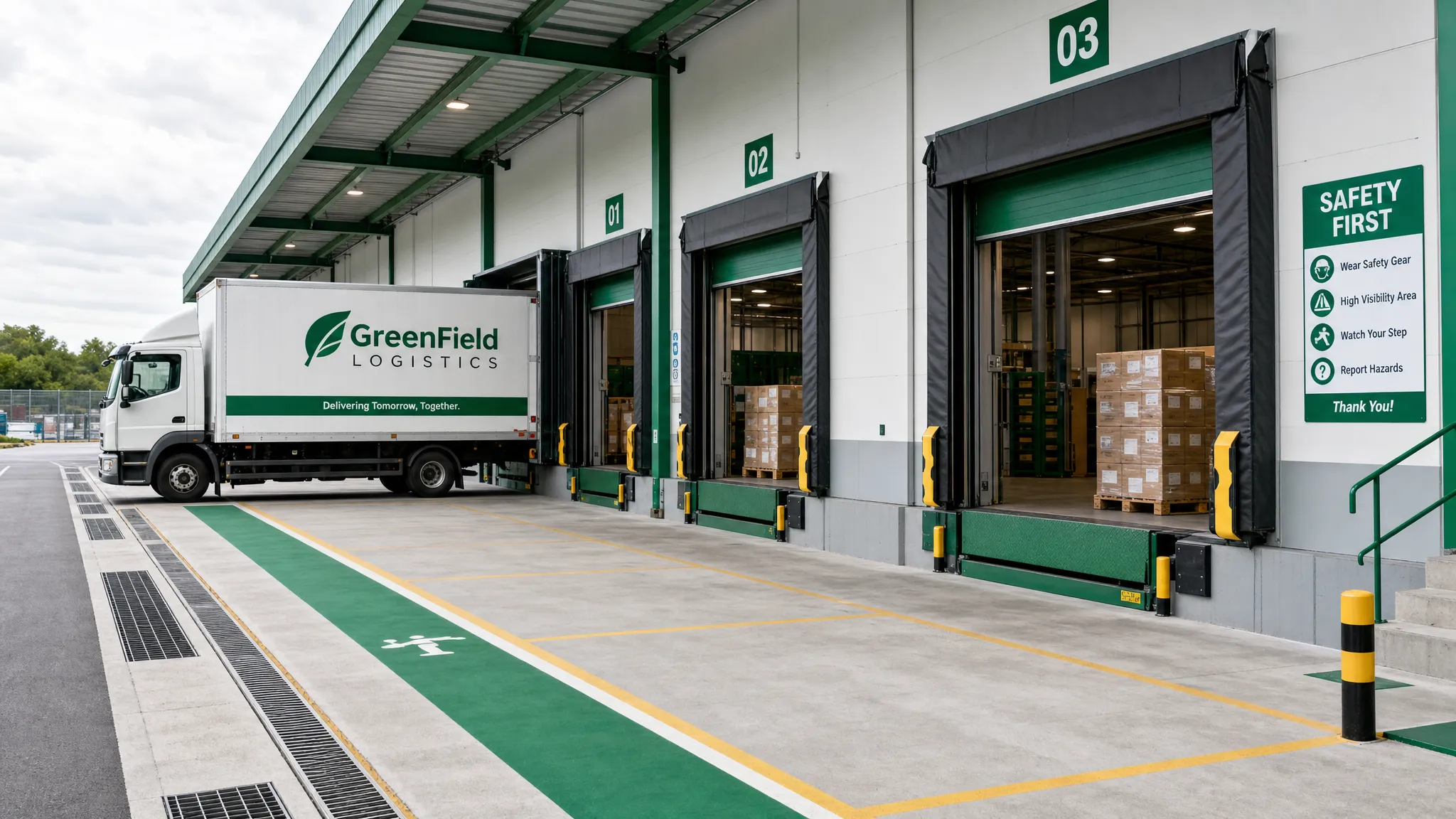
Industrial and warehouse sites often require:
Parking garages are a different animal entirely. Fine dust control, ramps, stairwells/entries, and drain areas matter more than raw square footage.
If you’re still defining the scope, Reliable Sweepers has more detailed resources on setting expectations for service results and triggers in their guide to street sweeping services: pricing, schedules, and results.
A common reason people feel disappointed after hiring a “top-rated” sweeping company is that the crew brought the wrong approach for the debris.
Here’s what to look for when you’re trying to separate “basic sweeping” from a crew that can handle real site risk.
You do not need to become an equipment expert, but you should expect a clear explanation of what will be used for your site and what it’s good at.
In plain terms:
A credible contractor can tell you how they will handle each of those, including what they will do at curb lines, corners, and inlets.
If your site has screws, nails, tie wire, or metal shards, a “normal sweep” can miss the items most likely to cause tire damage, injuries, and complaints.
A better crew will recommend magnet sweeping in the right zones (especially along travel lanes, staging areas, and where trades are cutting or fastening materials).
Fine dust and dried sediment are where many sites struggle, especially during busy building seasons and dry spells. A professional crew should be able to explain:
For a deeper look at handling mud, dust, and fast-changing conditions, see pavement cleaning services: remove mud, dust, and debris fast.
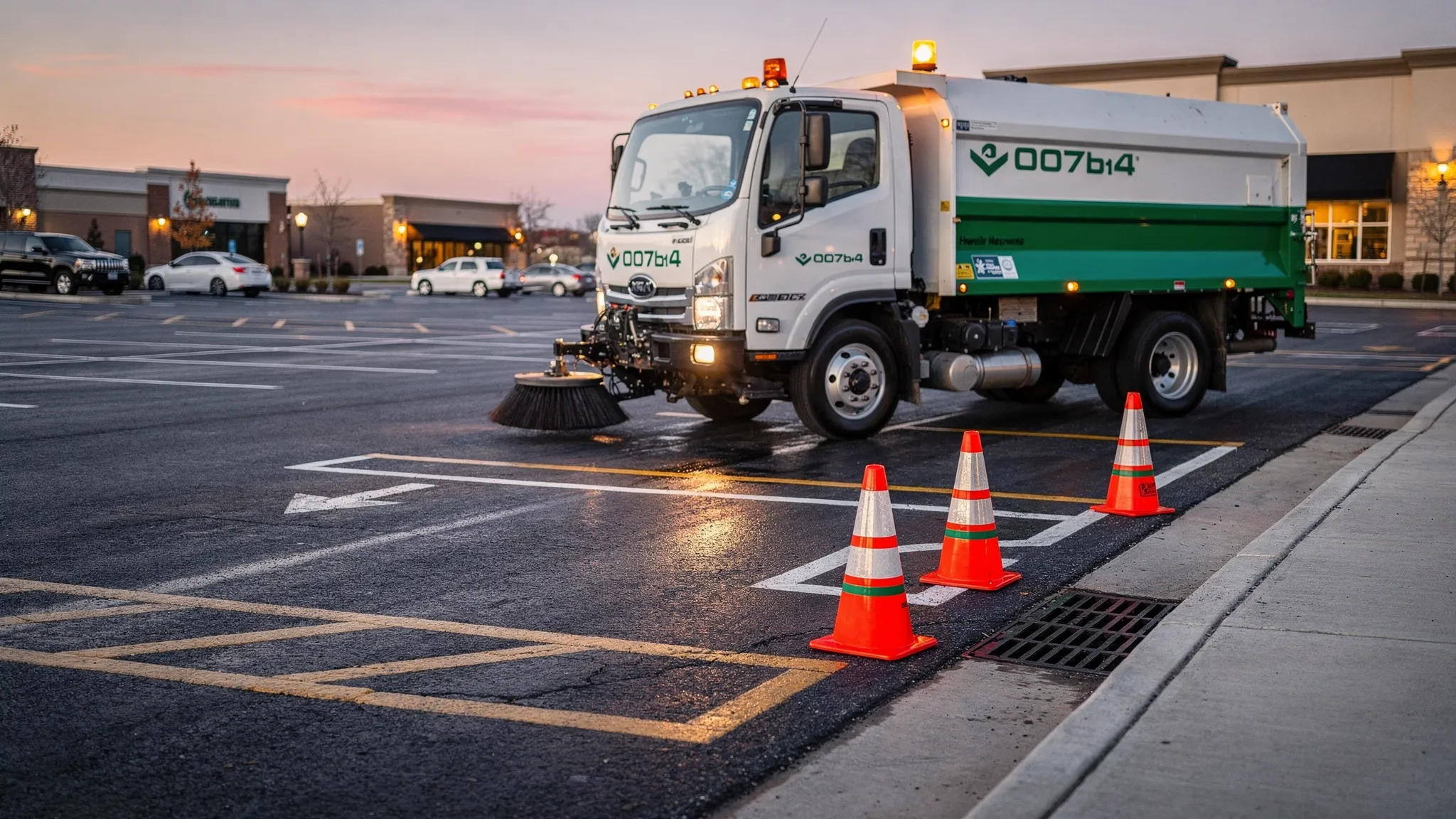
Two vendors can quote the same site and deliver completely different outcomes because their processes are different.
A strong sweeping contractor should be able to describe (briefly and clearly):
Most properties have predictable debris engines:
The best crews don’t treat the site like one big rectangle. They treat it like a set of zones with different standards.
Instead of vague promises, look for measurable language like:
If you want an example of how detailed, outcome-based scoping can work, their post on commercial street sweeping in Nashville: schedules, specs, pricing goes deeper into building a spec that vendors can actually execute.
In Middle Tennessee, sweeping plans fail most often when something unusual happens:
Ask what their response options are for short-notice work and whether they offer emergency response for time-sensitive cleanups.
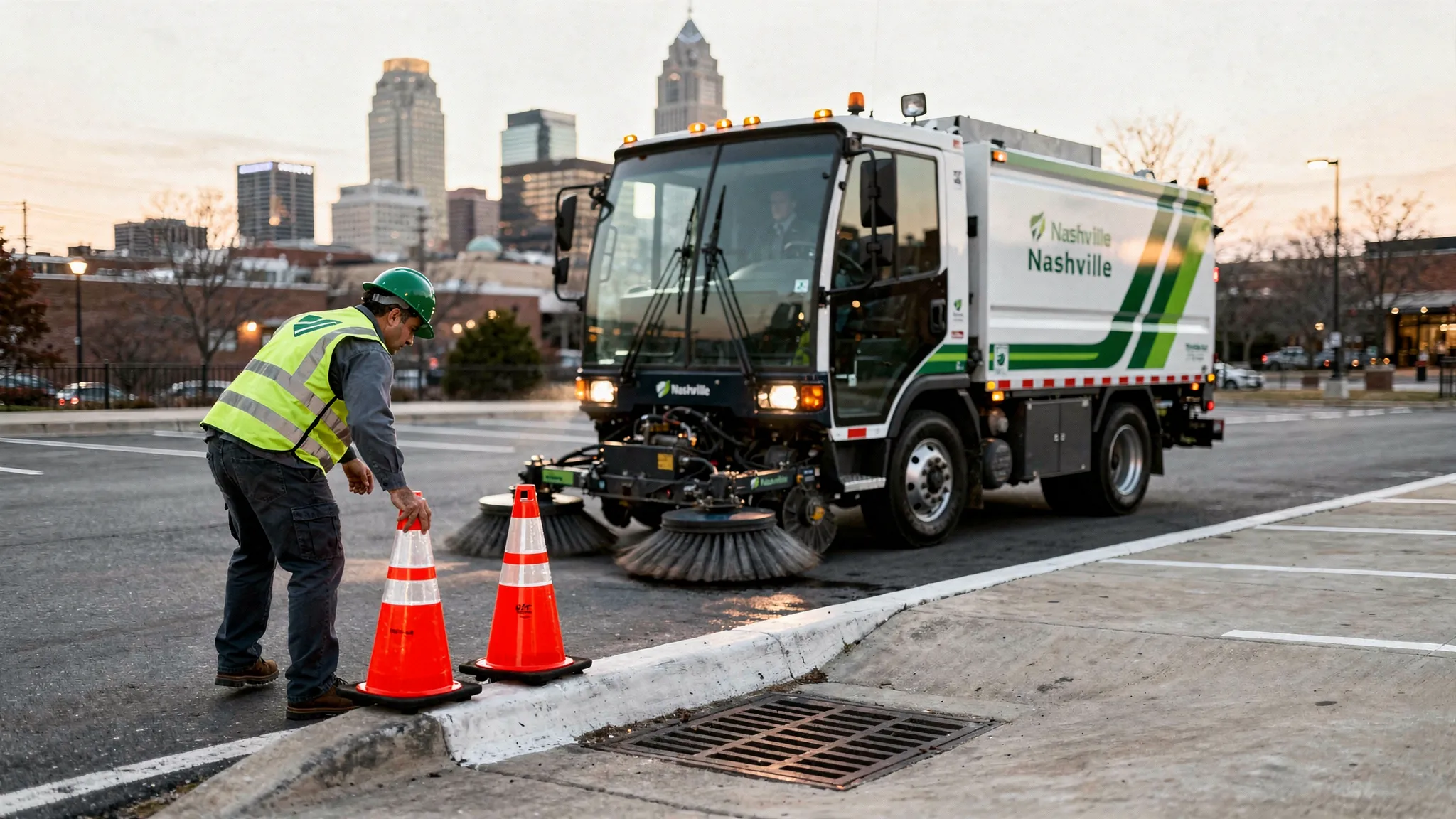
Sweeping is performed around moving vehicles, pedestrians, and active job sites. “Best” includes a crew that can work without creating new liability.
Look for evidence of:
If your site is construction-adjacent, add one more filter: crews that understand jobsite coordination and can work around other trades without disrupting the schedule.
A big part of “best street sweepers in Nashville” is whether the contractor understands that sweeping is not only about appearance.
Sediment and debris are also stormwater issues. For construction sites, stormwater requirements are typically managed through your SWPPP and permit obligations under the federal Construction General Permit framework.
Credible references:
What this means for hiring a sweeping crew:
If you manage inspections and need a practical timeline, see site cleaning: what to do before a city inspection.
When you’re talking to sweeping companies, use this short checklist to keep comparisons consistent.
If a vendor scores well here, they’re usually in the “best” tier for real-world property needs.
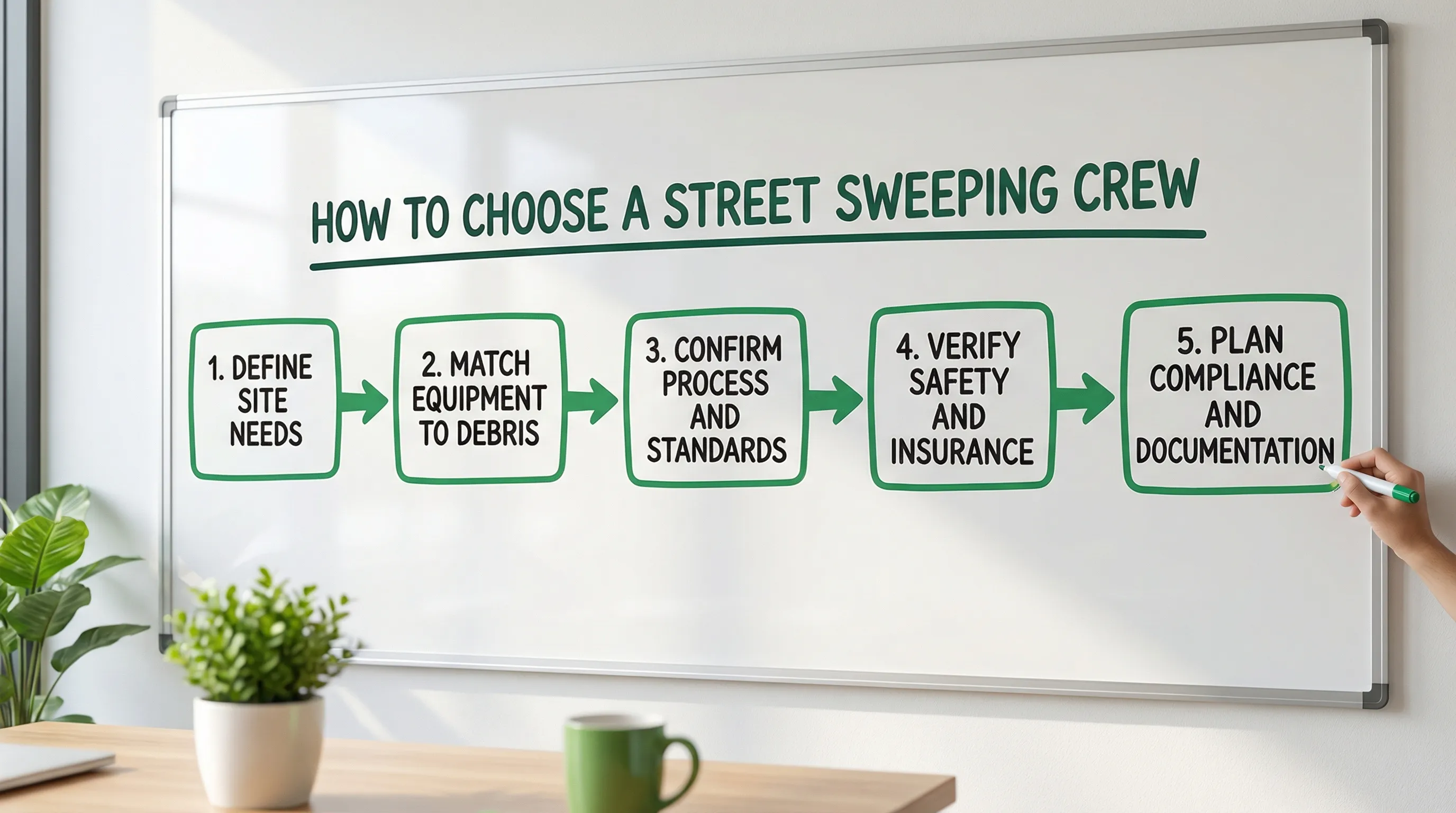
Even great contractors struggle if the plan ignores local patterns.
In the Nashville area, sweeping demand and debris loads often spike with:
The best crews will recommend a baseline schedule plus “trigger” cleanups based on weather, traffic, and site events, instead of forcing you into a rigid plan that fails the first time conditions change.
How do I know if I’m hiring the best street sweepers in Nashville or just the lowest bid? The best crews can explain their equipment and method for your debris, commit to curb-line standards, offer verification (photos/notes), and handle surge events like storms or inspections.
Do I need magnet sweeping, or is regular sweeping enough? If your site has construction activity, metal fasteners, or tire-damaging fragments, magnet sweeping is often the difference between “looks fine” and “actually safe.”
How often should a commercial property be swept in Nashville? It depends on traffic, trees, tenant use, and seasonal debris. Many properties use a baseline cadence plus trigger sweeps after storms, events, or high-debris days.
Can street sweeping help with stormwater compliance? Yes. Removing sediment and debris reduces the amount that can reach storm drains. It also supports documentation practices used in SWPPP and inspection readiness.
What should I provide a sweeping contractor before they quote? A site map (or address), operating hours, problem areas (curb lines, drains, loading docks), debris description, and any scheduling constraints. Photos help speed up accurate scoping.
If you want a crew that’s set up for construction site sweeping, parking lot and garage cleaning, industrial warehouse sweeping, HOA/municipal routes, magnet sweeping, dust and mud control, and emergency response across Middle Tennessee, Reliable Sweepers can help you scope the job clearly and schedule service that fits your operations.
Request a quote or talk through your site needs at Reliable Sweepers.