
Searching for cleaning services in Nashville, TN can feel deceptively simple until you start comparing quotes. One company talks about “janitorial,” another proposes “porter service,” and a third recommends sweeping, magnet sweeping, and storm-drain checks. All of it is “cleaning,” but the scope, equipment, risk, and pricing can be completely different.
This guide breaks down what cleaning services typically include in Nashville, what you should expect from a professional provider, and realistic price ranges so you can budget with fewer surprises.
Most buyers use “cleaning services” as an umbrella term. In practice, providers usually fall into a few buckets:
This is the classic “building cleaning” most people think of:
Janitorial is typically driven by occupancy (how many people use the space) and expectation (Class A office vs. warehouse vs. medical).
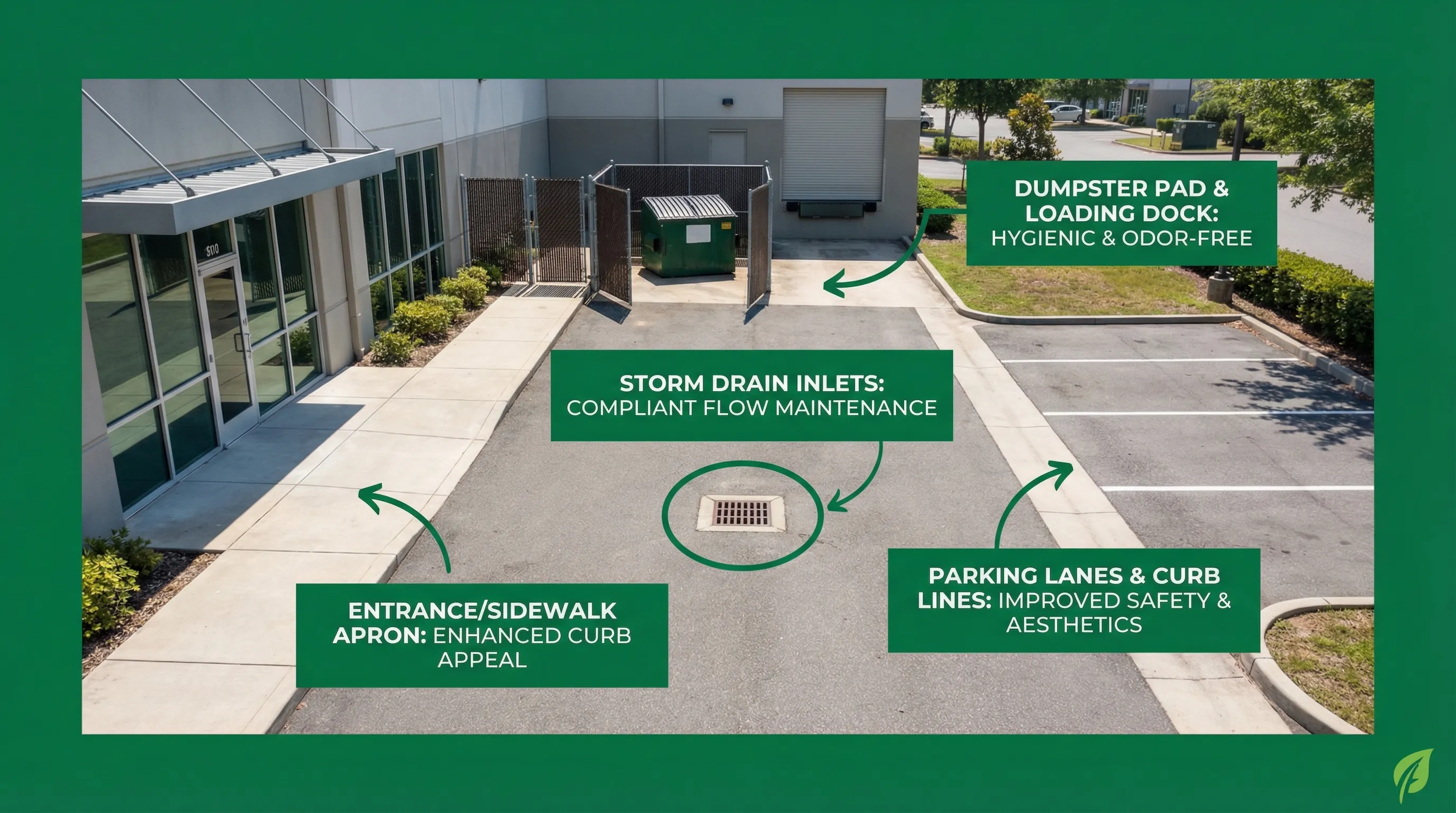
Exterior cleaning is often managed by property teams because it affects curb appeal, slip and trip risk, and stormwater concerns:
For a practical way to prioritize exterior zones, see Commercial Building Cleaning: High-Traffic Areas to Prioritize.
Construction cleanup is a different world. “Clean” can mean:
If you manage active projects, you may also need documentation that supports your stormwater plan. The EPA’s overview of construction stormwater controls is a helpful baseline for understanding why inspectors focus on sediment and track-out.
Whether you’re hiring a janitorial team or an exterior sweeping crew, reliable providers tend to follow the same basic workflow.
The best scopes describe “what good looks like,” such as:
If your scope is only a list of tasks, you can end up paying for a lot of activity that does not translate into results.
Expect questions like:
For commercial exterior work, this step is where accurate pricing is won or lost.
A strong proposal should spell out what’s included (and what is not). For example, exterior pavement cleaning may include sweeping and debris removal, but exclude hazardous materials, specialty stain removal, or high-access work.
If you want a deeper breakdown for commercial sites specifically, Cleanup Services for Commercial Sites: What to Expect is a good companion read.
Most properties need two layers:
This is especially true in Middle Tennessee where heavy rain can quickly turn small problems into track-out and mud issues.
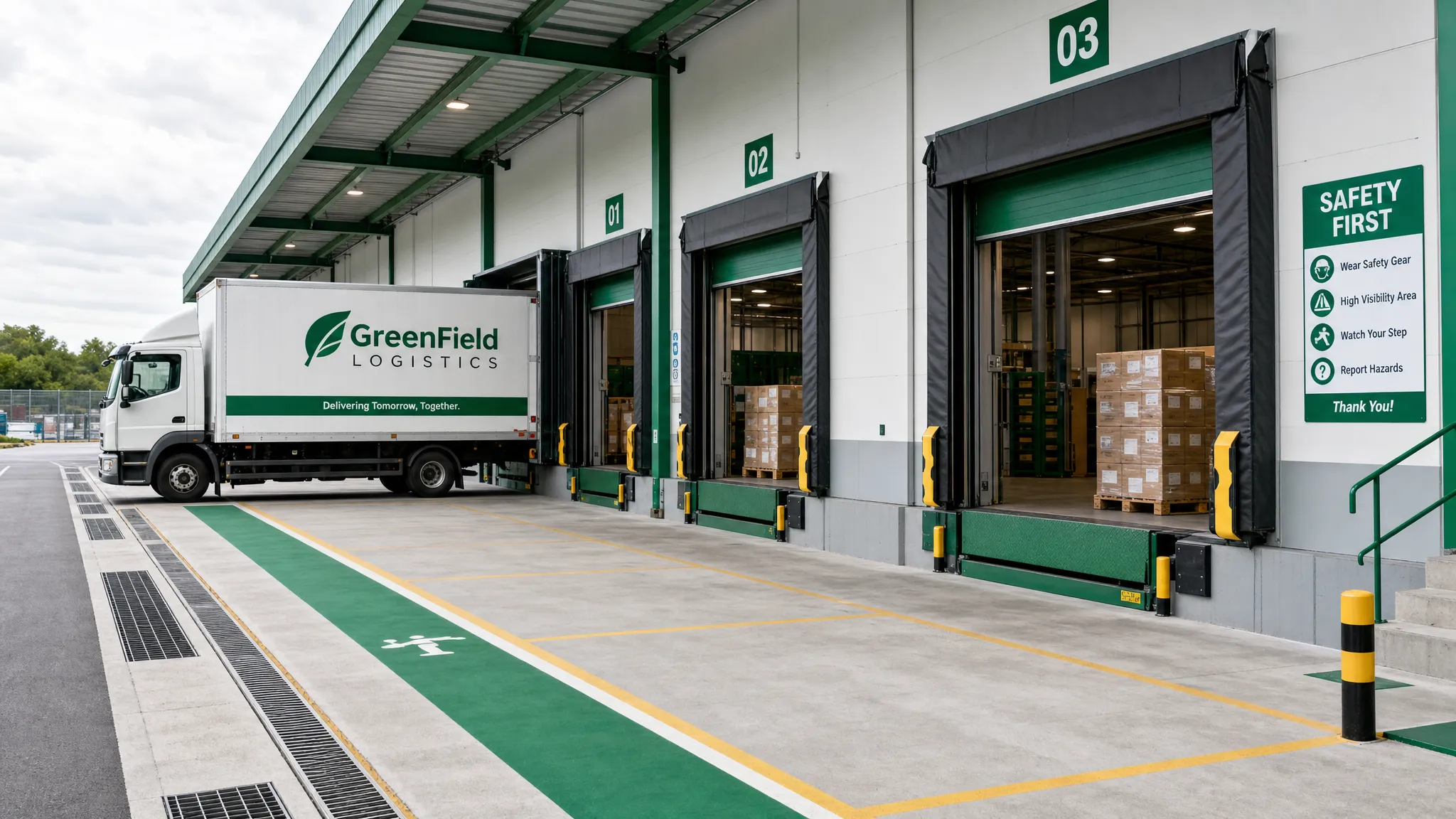
For exterior work, a professional crew should be prepared to handle traffic and pedestrian flow safely and leave behind simple proof of completion (photos, notes, time stamps), especially for construction and municipal-adjacent sites.
Pricing is rarely just “square footage times a rate.” These are the biggest cost drivers across most cleaning categories.
More frequent service usually lowers the cost per visit because the site never gets “out of control.” After-hours, overnight, and tight time windows can cost more because they require more coordination.
Locked gates, long walking distances, multiple levels (garages), or heavy parked-car density slow production and raise labor time.
Fine dust, mud, and construction sediment typically take longer than light litter. Metal fragments may require magnet sweeping. Some sites also require disposal or hauling, which changes the scope.
Construction sites, healthcare campuses, and high-traffic retail often need tighter standards and documentation. Higher standards are not “overhead,” they are risk control.
One-time “reset” cleanings can cost more because you are paying to correct weeks or months of buildup. A maintenance program keeps you from paying that reset premium repeatedly.
Exact pricing depends on scope, access, and frequency, but the ranges below can help you sanity-check quotes.
Important: these are general market ballparks, not a promise of pricing for any specific provider or site.
Residential cleaning is usually priced per visit or per hour.
For consumer pricing context, sources like Angi’s house cleaning cost guide track national averages that Nashville pricing often clusters around, with variation by neighborhood and service level.
Commercial janitorial is commonly priced monthly (contract) or per visit.
If a quote seems surprisingly low, confirm what’s excluded (consumables, periodic deep cleaning, floor care).
Pressure washing can be priced per square foot or as a flat rate per area.
Consumer references like Angi’s pressure washing cost guide provide national baselines, but commercial constraints (night work, containment, heavy buildup) can push pricing upward.
Exterior sweeping is frequently priced per visit, per hour, or as a monthly route.
Reliable Sweepers has a deeper, Nashville-focused walkthrough of pricing models and what drives them in Street Sweeping Services: Pricing, Schedules, and Results.
Construction cleanup can be quoted hourly, per visit, or as a phase-based program.
If you are planning turnover, this punch-list style guide can help you define the scope before you request bids: Post Construction Clean Up: Punch List for a Clean Handoff.
The fastest way to overpay is to compare proposals that do not describe the same result. Before you decide, standardize what you’re asking for.
Instead of “sweep the lot,” define zones and outcomes:
Common line items that may or may not be included:
If you want a bid-by-bid evaluation framework, use Street Cleaning Companies Nashville: How to Compare Quotes.
Ultra-low bids often mean one of three things:
Low pricing is only a win if the site stays clean, safe, and inspection-ready.
Cost control is usually about smarter scoping, not squeezing vendors.
If your lot or site is dirty, do one reset cleanup, then move to a steady cadence. A good maintenance plan prevents expensive “catch-up” work.
Instead of paying for an overly frequent schedule year-round, set a baseline and add triggers:
For a Tennessee-specific rhythm that aligns with seasonal debris and weather, see How to Maintain Clean Properties Year-Round in Tennessee.
If one vendor can handle sweeping plus magnet sweeping and dust or mud control, you can reduce coordination time and gaps between trades. Just make sure the vendor is truly specialized in the work, not simply adding it to a menu.
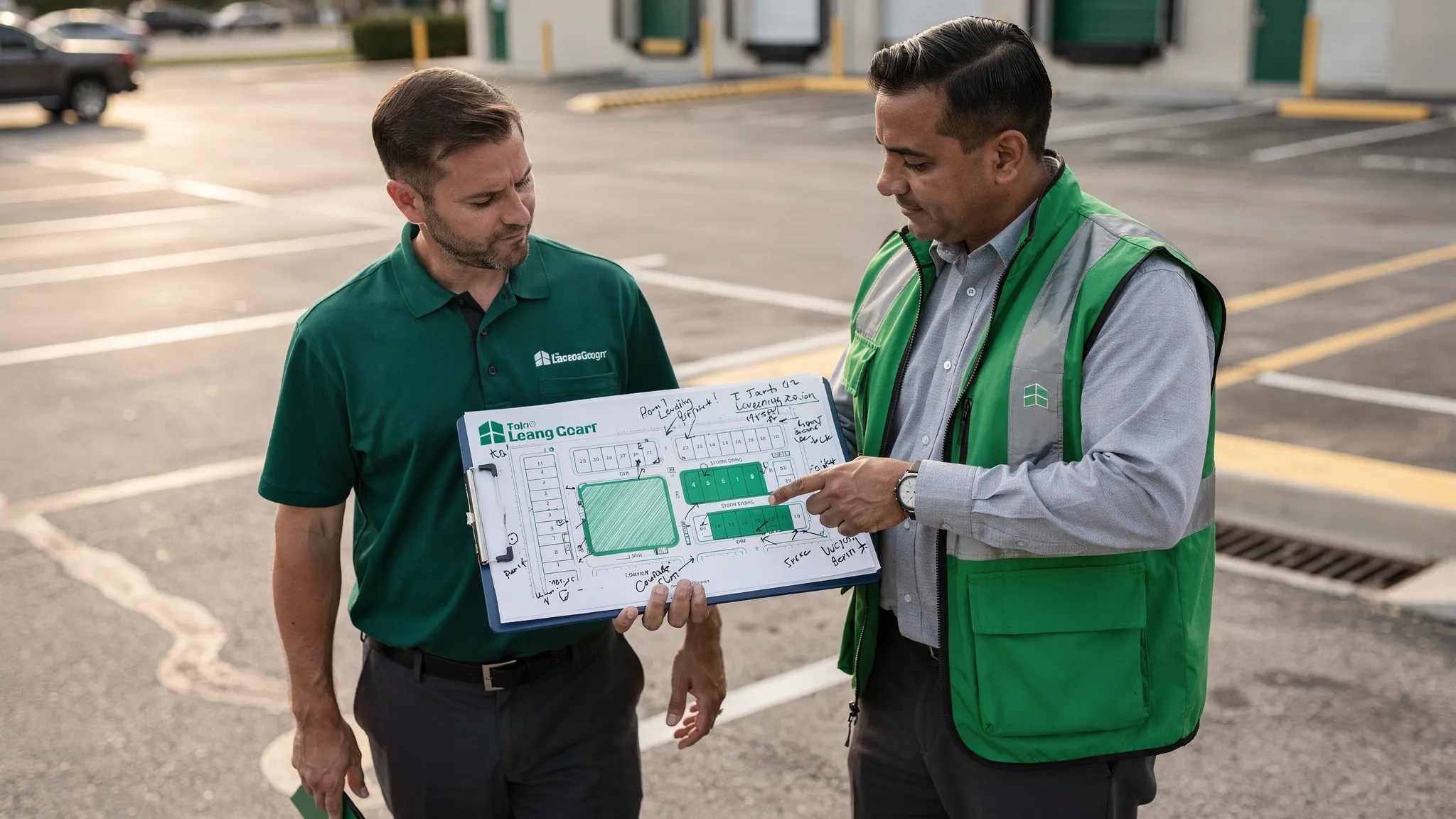
If you manage a construction site, industrial facility, retail center, HOA, or municipal-adjacent property, exterior sweeping is often the “last mile” that protects:
Reliable Sweepers focuses on exterior cleaning and sweeping across Middle Tennessee, including construction site sweeping, asphalt paving cleanup, industrial warehouse sweeping, parking lot and garage cleaning, neighborhood and municipal sweeping, magnet sweeping, dust and mud control, and emergency response.
If you want a quote that reflects your actual site (not a generic square-foot estimate), start with a quick walkthrough request at Reliable Sweepers and share:
That information usually leads to tighter pricing, clearer expectations, and fewer change orders later.