Loose debris rarely stays in one place for long. A few leaves collect along a curb, mud tracks from a construction entrance, pallet fragments build near a loading dock, or screws and nails scatter after a tenant improvement project. Before long, that debris creates safety hazards, drainage problems, customer complaints, and extra work for your team.
That is where debris cleaning services become more than a cosmetic fix. For commercial properties, construction sites, industrial yards, HOAs, and municipal areas, the right cleanup plan keeps paved surfaces safer, cleaner, and easier to maintain. It also helps prevent small messes from turning into bigger liabilities.
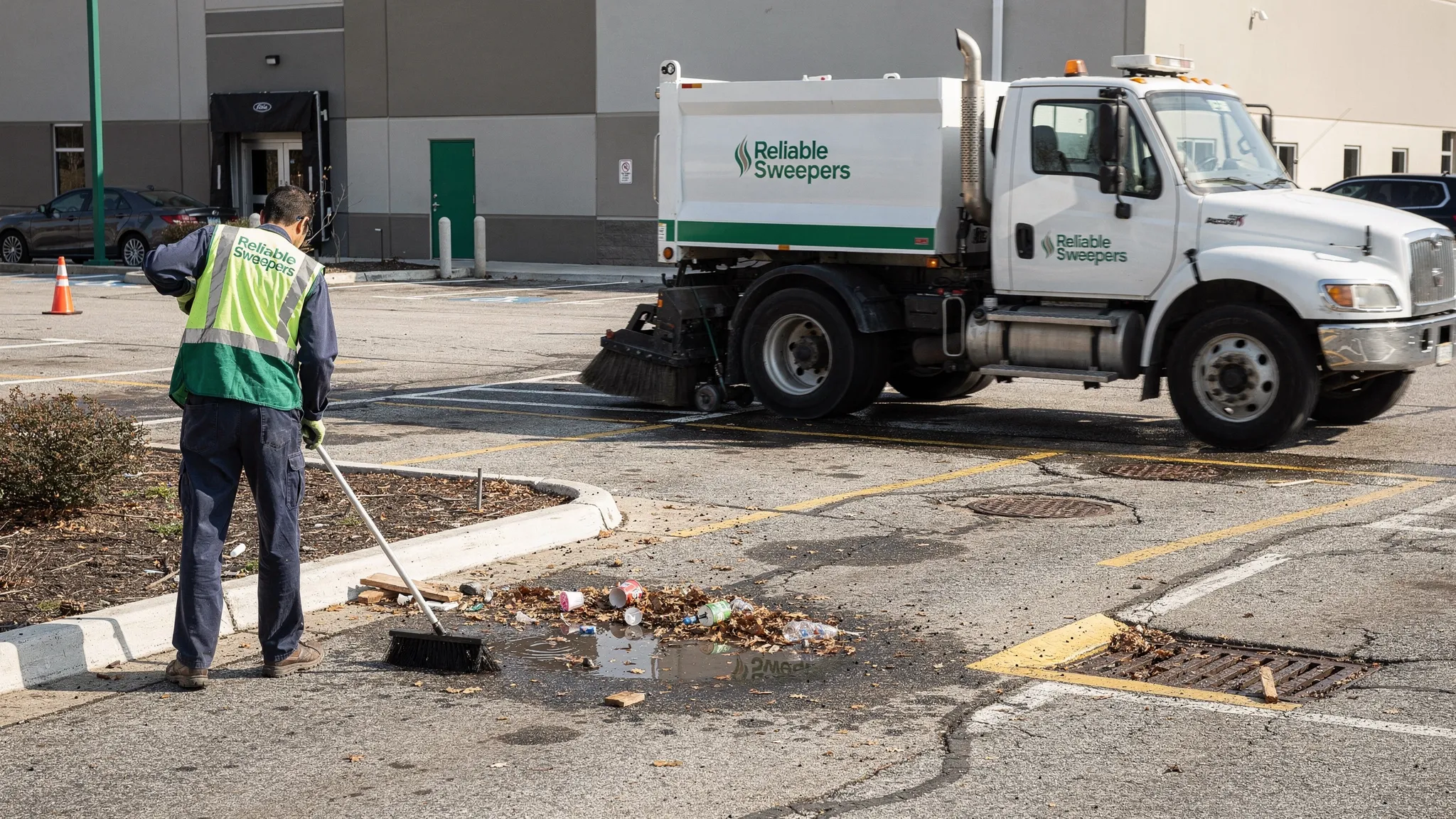
Debris cleaning services focus on removing loose material from exterior surfaces, paved areas, access roads, parking facilities, curbs, gutters, sidewalks, loading zones, and other high-traffic spaces. The goal is not simply to make a property look better, although that matters. The bigger goal is to capture debris before it causes damage, blocks drainage, creates hazards, or spreads across the site.
Depending on the property and debris type, a professional service may include:
A good provider should also clarify what is outside the scope. Hazardous materials, regulated waste, large-scale hauling, deep stain removal, or pressure washing may require a separate service or a different cleanup method. Clear expectations at the beginning prevent missed work and surprise costs later.
It is easy to treat debris as a housekeeping issue, but exterior debris often creates operational, safety, and compliance concerns. A clean property can reduce risk in several practical ways.
Loose gravel, trash, leaves, mud, and pallet fragments can create slip, trip, and fall hazards for pedestrians. For construction sites, OSHA’s construction housekeeping standard states that debris should be kept cleared from work areas, passageways, and stairs during construction work. You can review the standard directly through OSHA’s housekeeping requirements.
Metal debris creates a different kind of risk. Screws, nails, wire, and sharp fragments can puncture tires, damage equipment, and create safety exposure for tenants, employees, and visitors. This is especially common around construction sites, industrial yards, loading docks, and parking areas after maintenance or renovation work.
Debris also affects drainage. Leaves, sediment, mulch, gravel, and trash can migrate toward curb lines and storm drain inlets. When those areas are ignored, water may pond in parking lots, flow across pedestrian paths, or carry pollutants into the storm system. The EPA’s stormwater program emphasizes the importance of managing runoff that can carry pollutants from paved surfaces into waterways.
For property managers, the reputational impact matters too. Customers and tenants notice messy entrances, dusty parking garages, littered curb lines, and muddy access roads. A property that looks neglected can generate complaints even when the building itself is well maintained.
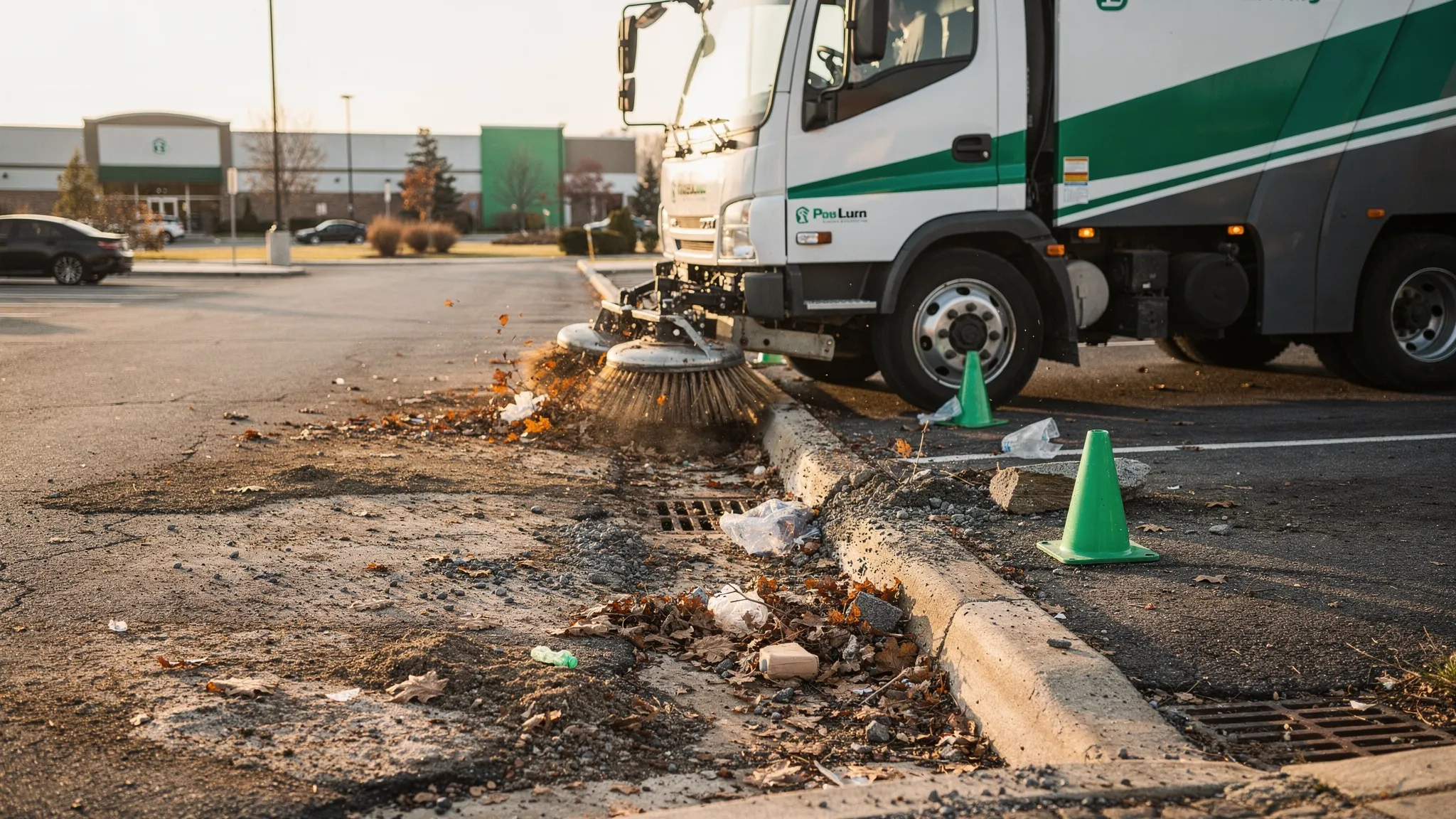
Most debris problems start in predictable places. If you manage a property, a quick walk of these zones will usually tell you where cleanup should be prioritized.
Curb lines act like collection channels. Wind, rain, vehicle movement, and grading all push debris toward the edge of paved surfaces. If curb lines are not detailed, the center of a lot may look acceptable while sediment, leaves, and trash remain exactly where they can affect drainage.
Storm drain inlets are high-priority areas because they receive whatever moves across the pavement. Debris near an inlet should be removed before it is washed into the drainage system. Blowing or rinsing material toward drains can make the problem worse.
Construction sites create mud, aggregate, dust, packaging, scrap, and metal debris. The transition between the site and the public road is especially important because track-out can spread quickly, trigger complaints, and create unsafe conditions for vehicles.
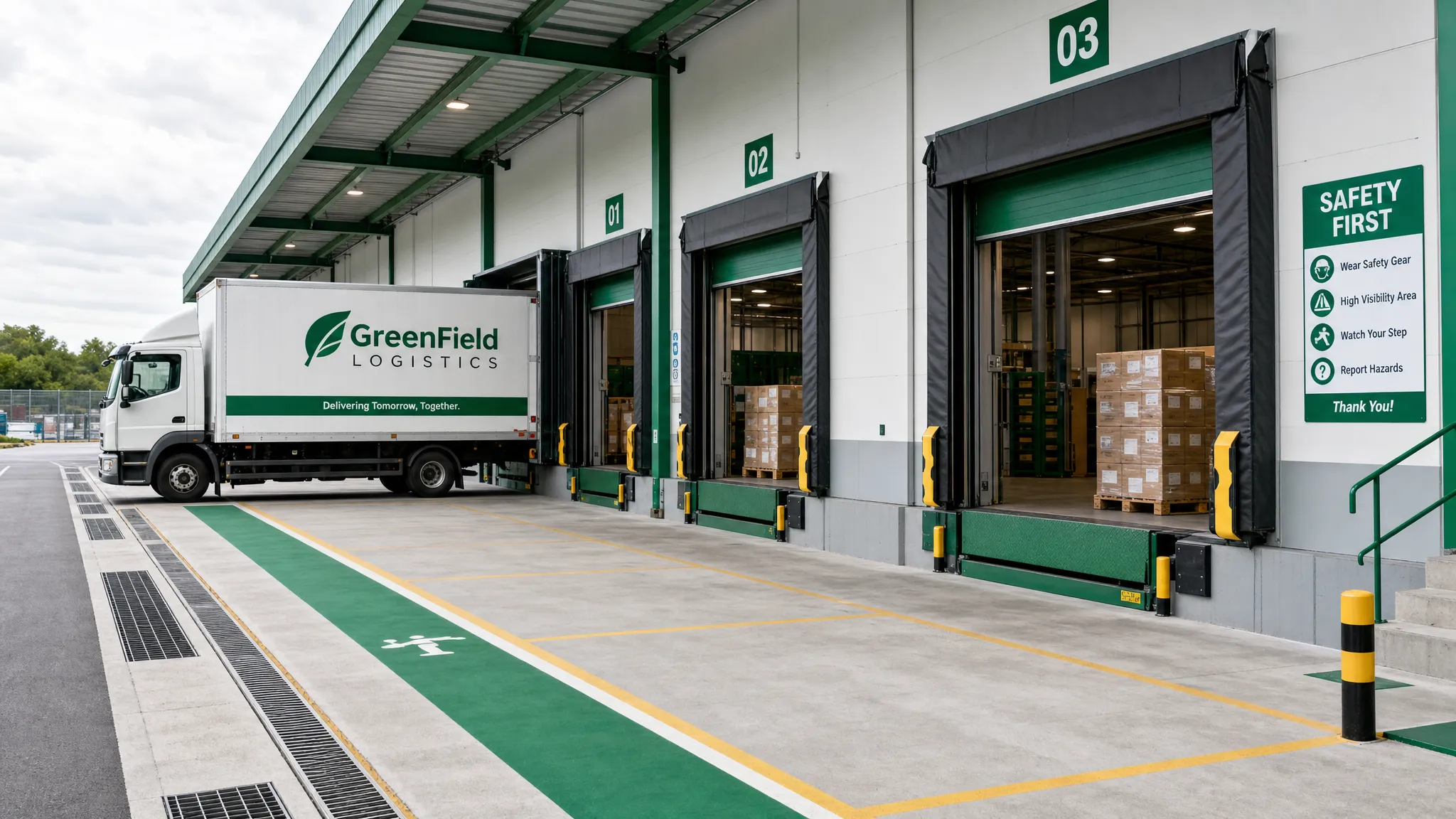
Pallet splinters, wrap, cardboard, food waste, gravel, and loose trash often collect around loading areas. These zones can become slippery, attract pests, block drains, or create hazards for forklifts and delivery vehicles.
Garages tend to trap fine dust, grit, leaves, and litter. Ramps, corners, stair tower entries, elevator lobbies, and drain areas need special attention because debris can migrate between levels and get tracked into buildings.
Residential communities often see seasonal leaves, lawn debris, construction material, gravel, and litter at entrances and curb returns. Routine sweeping helps preserve appearance while reducing drainage issues and resident complaints.
Effective debris cleaning follows a simple principle: remove the right material, in the right order, before it moves into a higher-risk area. Skipping steps often leads to rework. For example, sweeping fine debris before removing bulky material can leave obstructions behind, while wet cleaning before dry removal can push sediment into drains.
A practical debris cleaning workflow usually looks like this:
This sequence works because it treats debris removal as a system, not a single pass across the pavement.
There is no universal schedule that fits every property. A quiet office lot may need periodic maintenance, while an active construction site or industrial yard may need frequent service during certain phases. The most reliable approach is to combine a baseline schedule with trigger-based cleanups.
A baseline schedule keeps normal debris under control. This may be weekly, biweekly, monthly, or tied to operating conditions. A trigger-based cleanup happens when a specific event creates extra debris or risk.
Common triggers include:
In Middle Tennessee, seasonal conditions matter. Spring storms can move sediment quickly. Summer construction activity can increase dust and track-out. Fall leaf drop can overwhelm curb lines and drains. Winter grit and leftover de-icing material may need cleanup before it breaks down or spreads through lots and garages.
Not all debris responds to the same cleaning method. A property with leaves and litter needs a different approach than a site with metal fragments or heavy mud. Matching the method to the material is one of the easiest ways to improve results and control cost.
For light litter, leaves, and general parking lot debris, routine sweeping and curb detailing may be enough. For fine dust, a provider should consider how dust will be captured rather than simply moved around. For mud and track-out, the priority is often source control, repeated removal, and cleanup of the travel path before mud spreads into public roads or parking areas.
For metal debris, magnet sweeping is often the missing step. Standard sweeping can collect some larger material, but small nails, screws, and metal fragments may remain on the surface. Magnet sweeping is especially useful for construction sites, industrial properties, asphalt paving cleanup, and parking areas affected by repair work.
For wet or stuck-on material, dry sweeping may need to be followed by targeted wet cleaning, if appropriate. The key is to avoid washing debris into storm drains. Dry capture should usually come first whenever loose sediment, trash, or construction material is present.
For a deeper look at cleaning paved surfaces, see Reliable Sweepers’ guide to pavement cleaning services.
A clear conversation before service helps you avoid vague scopes and inconsistent results. Instead of asking only for a price, ask how the provider will handle your site’s debris profile, risk areas, and schedule constraints.
Useful questions include:
The best answers are specific to your property. A retail center, construction site, parking garage, warehouse, HOA route, and municipal road do not need identical scopes. They need the right scope for their debris, traffic, and risk profile.
If you are comparing companies, this related guide on what to ask before hiring street sweeping companies can help you evaluate providers more consistently.
Debris cleaning is not a substitute for a full safety or stormwater program, but it is an important support activity. Clean pavement helps teams spot problems sooner. Clear curb lines help water move as intended. Removed debris is less likely to enter storm drains, damage tires, or create trip hazards.
For construction and industrial properties, documentation can also be valuable. Service logs, notes, and photos can help show that cleanup was performed and that known problem areas were addressed. This is especially useful before inspections, after storms, during project closeout, or when responding to tenant and customer complaints.
A simple pass/fail standard makes debris cleaning easier to manage. For example, instead of saying “clean the lot,” define the expected outcome: entrances free of loose debris, curb lines clear of sediment and litter, drain approaches open, loading dock lanes free of pallet fragments, and no visible metal debris in vehicle paths. Clear standards turn a subjective cleanup into a measurable service.
Routine service prevents most problems, but some situations need a faster response. Emergency debris cleaning is useful when debris creates immediate safety, access, compliance, or reputation concerns.
Examples include mud tracked onto a public roadway, storm debris blocking drains, metal fragments scattered across a parking area, construction material blown into tenant spaces, or debris left behind before a high-visibility opening. In these cases, waiting for the next scheduled service can increase risk and complaints.
A good emergency response starts with triage. The first priority is to protect people, traffic, and drainage. After that, the crew can remove bulk material, sweep affected surfaces, use magnets if needed, and verify the most important zones first. Learn more about rapid-response planning in Reliable Sweepers’ article on emergency clean up services.
The strongest debris cleaning plans are simple, written, and site-specific. You do not need a complicated system to improve results. You need a clear map of priority zones, a realistic schedule, a list of trigger events, and a standard for what “clean” means.
Start with the areas that create the most risk: entrances, pedestrian crossings, curb lines, storm drains, loading docks, dumpster pads, construction exits, and customer-facing parking areas. Then identify what type of debris appears in each zone. Finally, decide what your in-house team can handle and where a professional sweeping partner is more efficient.
For many properties, the right plan uses both. Staff may handle small daily litter checks, while a professional service handles mechanical sweeping, magnet sweeping, dust and mud control, parking garage cleaning, industrial sweeping, construction site sweeping, or emergency response.
What are debris cleaning services? Debris cleaning services remove loose material such as litter, leaves, sediment, mud, dust, pallet fragments, and metal debris from exterior property areas. Services may include sweeping, bulk pickup, curb detailing, magnet sweeping, and emergency cleanup.
How are debris cleaning services different from debris removal? Debris removal often refers to hauling away larger items or bulk waste. Debris cleaning usually focuses on restoring paved surfaces, curb lines, parking areas, roads, garages, and work zones by removing smaller loose material that creates safety, appearance, or drainage concerns.
Can professional sweeping remove nails and screws? Mechanical sweeping may collect some metal debris, but magnet sweeping is usually the better option for nails, screws, wire, and small metal fragments. It is commonly used after construction, repairs, paving, roofing, and industrial work.
How often should a commercial property schedule debris cleaning? Frequency depends on traffic, debris type, weather, tenant activity, and property use. Many properties benefit from a baseline schedule plus extra cleanups after storms, construction activity, events, leaf drop, or visible debris buildup.
Does debris cleaning help with stormwater concerns? Yes, when done correctly. Removing sediment, leaves, trash, and other loose material before it reaches storm drains can support stormwater-friendly property maintenance. Dry removal methods should usually be used before any wet cleaning.
When should I call for emergency debris cleaning? Call for emergency service when debris creates immediate safety concerns, blocks access, threatens drainage, spreads onto public roads, or affects a high-visibility opening, inspection, or property event.
Reliable Sweepers provides professional debris cleaning and sweeping services across Nashville and Middle Tennessee, including construction site sweeping, asphalt paving cleanup, industrial warehouse sweeping, parking lot and garage cleaning, neighborhood and HOA sweeping, municipal sweeping, magnet sweeping, dust and mud control, and emergency response.
If debris is creating safety concerns, complaints, drainage issues, or schedule pressure, a site-specific cleaning plan can help. Contact Reliable Sweepers to discuss your property, debris type, and service needs.