A downtown Nashville address can do more than tell a sweeping crew where to go. Used correctly, it gives your service provider the clues they need to plan access, choose equipment, avoid delays, and respond faster when mud, dust, litter, or debris becomes a problem.
That matters downtown because two properties can be only a block apart and still require very different cleanup plans. A garage entrance on a tight one-way street, a construction exit near a busy pedestrian area, and a retail frontage after a weekend event all create different access, timing, and safety needs.
If you manage a property, job site, parking facility, storefront, HOA route, or municipal area downtown, the fastest request is not “Can you come to Nashville?” It is “Here is the exact address, here is the problem area, and here is what needs to be cleaned.”
Downtown service is all about reducing uncertainty before the truck arrives. A full street address helps a sweeping provider identify the general location, but the details attached to that address determine how quickly the work can actually happen.
A vague request like “near Broadway” or “downtown garage” can create back-and-forth questions. Which side of the block? Which entrance? Is the problem on the public edge, inside a private lot, on a ramp, or near a loading dock? Can a sweeper safely stage nearby? Is there event traffic, valet activity, construction fencing, or blocked curb access?
The right address details help answer those questions early. That means less time clarifying scope and more time planning the actual cleanup.
For downtown properties, the address also helps a provider think through:
If you want a deeper look at access and timing downtown, Reliable Sweepers also covers this in its guide to Downtown Nashville sweeping, access, timing, and traffic control.
Think of your address as the first layer of the request, not the entire request. A service provider still needs enough context to understand where the mess is, what caused it, and what result you expect.
The most useful service requests include the full address first, then a short description of the exact zone that needs attention. For example, “garage ramp entrance on the alley side,” “curb line along the east side of the building,” or “construction exit where trucks are tracking onto the street” is far more actionable than “front of property.”
A strong request should include these details:
Photos are not a replacement for an accurate address, but they can prevent miscommunication. A quick photo of the debris area, an entrance, or a blocked curb line helps the crew understand whether the job needs mechanical sweeping, magnet sweeping, debris pickup, dust control, or a combination of services.
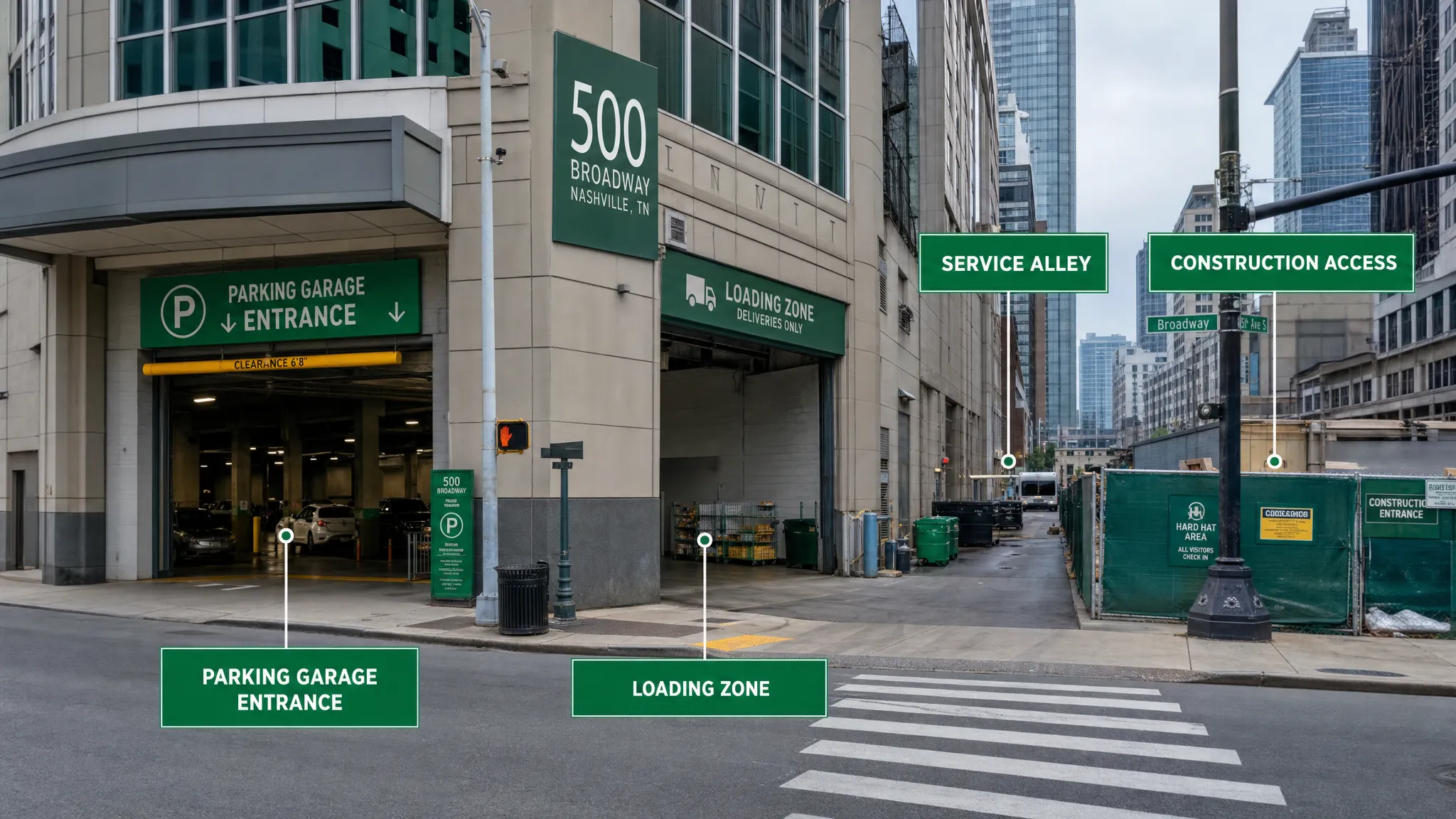
If you want faster service, keep your message short but specific. The best format is easy for both property managers and dispatch teams to scan quickly.
Property address: [Full downtown Nashville address]
Property type: [Construction site, garage, retail center, office, HOA, municipal area]
Cleanup zone: [Curb line, garage ramp, alley, loading dock, construction exit]
Debris problem: [Mud, dust, litter, metal debris, leaves, gravel]
Urgency: [Routine, next available, same day, emergency]
Best access point: [Street, alley, gate, loading area, entrance]
Service window: [Preferred time and any restrictions]
On-site contact: [Name and phone]
Photos available: [Yes or no]
This structure helps the provider decide whether the request is straightforward or needs additional planning. It also helps prevent the most common downtown delays: arriving at the wrong entrance, finding the curb blocked, discovering that the debris is different than described, or realizing that traffic control may be needed.
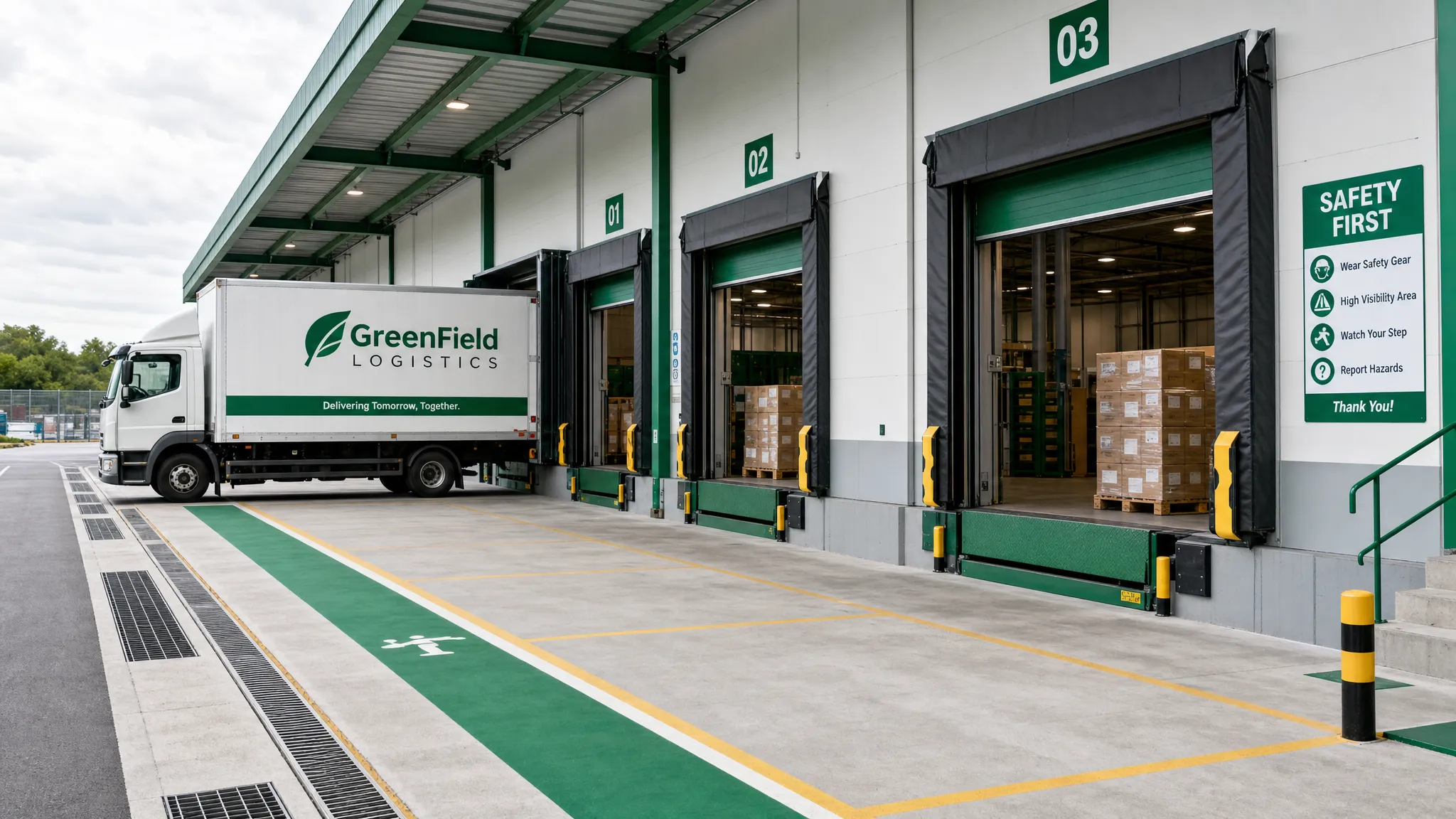
In downtown Nashville, one address can include multiple cleanup areas. A mixed-use building may have a retail frontage, a garage entrance, a back-of-house loading dock, alley access, sidewalks, private drive lanes, and storm drain inlets. A construction site may have a public street edge, a haul route, a laydown area, and a staging zone.
That is why “the address” and “the service zone” should be separate pieces of information.
For example, if the property is a parking garage, the crew needs to know whether the issue is at the entry lane, ticketing area, ramp, top deck, stair tower access, or curb line outside the garage. If the property is a construction site, the crew needs to know whether the priority is mud track-out, fine dust, nails and screws, loose aggregate, or public edge cleanup.
This is especially important when the work involves magnet sweeping. Metal debris tends to collect near construction exits, staging areas, dumpster zones, and haul paths. If the crew knows the exact zone before arrival, the service can be targeted instead of wasting time searching the property.
For downtown properties with multiple ZIP codes or confusing boundaries, this is also why ZIP code alone is not enough. Reliable Sweepers has a separate guide on downtown Nashville ZIP codes and what they mean for service, but the short version is simple: ZIP codes help identify the area, while the address and zone details make the job actionable.
Fast response depends on matching the right crew and equipment to the actual problem. A downtown Nashville address helps dispatch locate the property, but the debris description helps determine the service type.
For construction sites, the biggest concerns are usually mud, dust, aggregate, and track-out. The request should identify the active access point, haul route, public edge, and any nearby storm drains. If metal fragments are present, mention fasteners, nails, screws, or rebar tie wire so magnet sweeping can be considered.
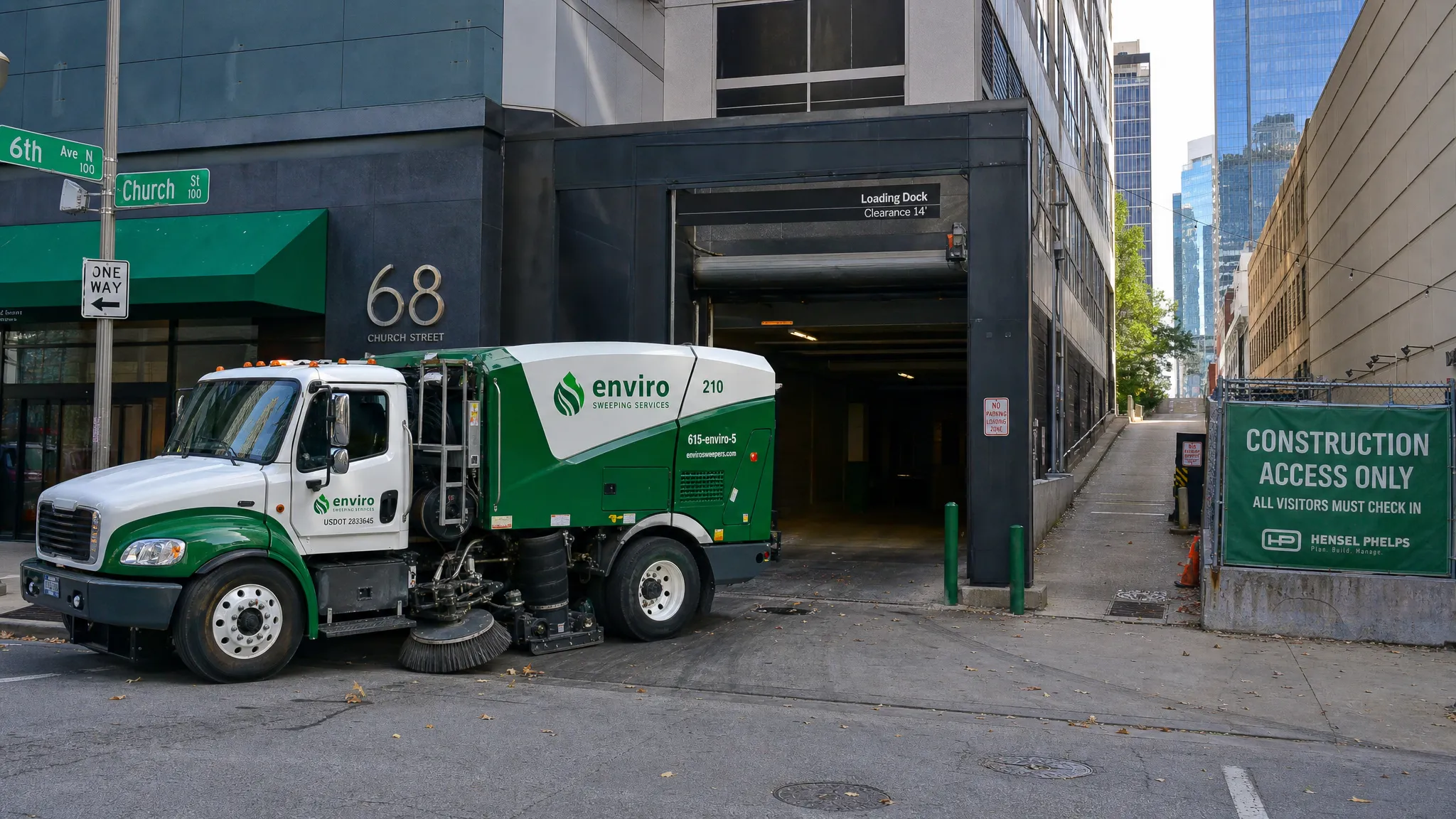
For parking garages, include clearance limits, ramp locations, traffic patterns, and whether the issue is loose debris, dust, leaves, or tracked-in sediment. Garage work may require smaller equipment, careful timing, and coordination around tenant or visitor traffic.
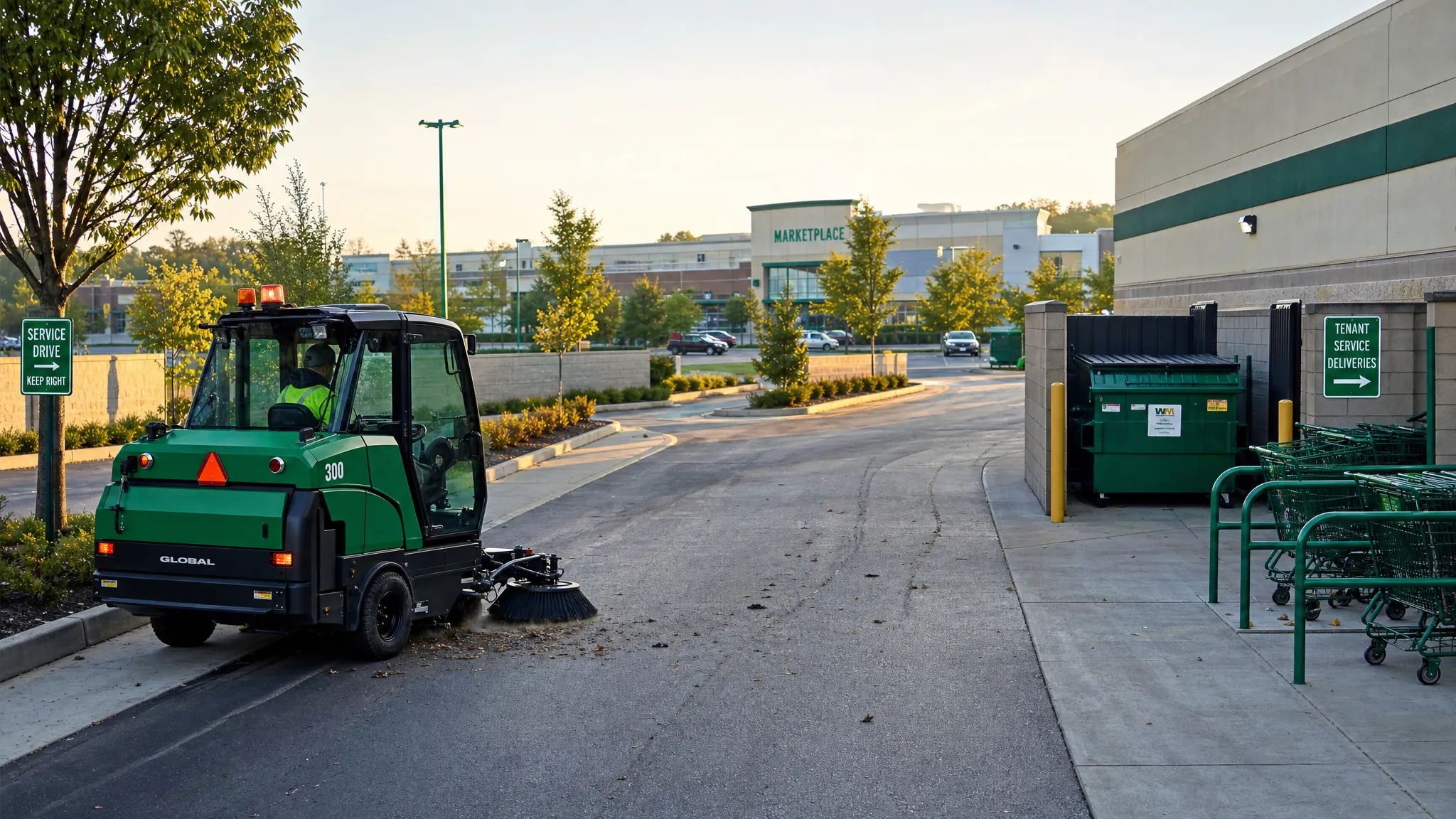
For commercial storefronts and mixed-use buildings, describe pedestrian areas, loading zones, curb lines, dumpster pads, and event-related debris. Downtown businesses often need cleaning after nightlife, deliveries, storms, or nearby construction activity.
For HOAs, private streets, or managed residential properties near downtown, include route boundaries and priority areas. A full address may point to the management office, but the actual service may involve several streets, alleys, parking bays, or shared drives.
The right downtown Nashville address tells a crew where to go. The right timing details tell them when they can actually work.
Downtown service can be affected by rush-hour traffic, event schedules, delivery windows, valet operations, construction closures, street parking, pedestrian volume, and noise considerations. If your property has a known low-traffic window, include it in the request.
For many commercial and garage properties, early morning, late evening, or overnight windows may provide better curb and drive-lane access. For construction sites, the best time may be after a heavy trucking period, before an inspection, after rain, or before final turnover. For event-adjacent properties, cleanup may be most effective immediately after a major crowd clears or before the next morning’s opening.
If you are unsure, provide the address, explain the problem, and ask the provider to recommend a service window. A local sweeping crew can often spot potential access conflicts based on the site’s location and property type.
Some requests require more than sweeping. Street sweeping and exterior cleanup are ideal for loose debris, dust, dirt, mud, litter, aggregate, leaves, and certain metal hazards when magnet sweeping is appropriate. They are not the right solution for every material.
If the issue involves unknown liquids, chemicals, asbestos-containing materials, mold, contaminated water, or regulated hazardous substances, the request may need an environmental remediation specialist instead of a sweeping crew. For context on the types of work that fall into that broader category, companies such as environmental remediation and emergency response providers outline services like asbestos, mold, water damage, demolition, and specialized cleanup.
This distinction matters because calling the right service first protects safety, compliance, and schedule. If you are not sure what the material is, say so clearly when you request service. A responsible provider can help determine whether sweeping is appropriate or whether the situation needs a different type of contractor.
Many delays happen before the crew ever reaches the property. The good news is that most are easy to avoid.
One common mistake is sending only the building name. Downtown buildings, garages, and job sites can have multiple access points, and GPS may route crews to a public entrance rather than a service entrance. Always include the street address and the best access point.
Another mistake is describing the whole property instead of the problem zone. A message that says “debris around the site” is less useful than “mud track-out at the construction exit on the south side, plus sediment along the curb line near the inlet.”
It is also easy to forget timing restrictions. If a loading dock is blocked during deliveries from 6 a.m. to 9 a.m., or if a garage is busiest during an event, include that information. A good service window can be the difference between one efficient visit and a return trip.
Before you call or send a message, take two minutes to gather the basics. This small step can make the response faster and the quote more accurate.
For urgent exterior messes, you can also review this emergency cleaning response plan to prioritize safety, access, and documentation before help arrives.
Is a downtown Nashville address enough to schedule sweeping service? It is the right starting point, but it is usually not enough by itself. Add the exact service zone, debris type, access point, urgency, and service window so the provider can plan the right response.
What if my property has multiple entrances? Specify which entrance the crew should use. Include the street side, alley, loading dock, gate, garage entrance, or nearby cross street. This is especially important for downtown garages, mixed-use buildings, and construction sites.
Should I send photos with my service request? Yes, when possible. Photos help show debris volume, access constraints, blocked curb lines, mud track-out, or metal debris. They can also help determine whether sweeping, magnet sweeping, debris pickup, or dust control is the best fit.
Can I use a ZIP code instead of a full address? A ZIP code can help identify the general area, but it does not give enough detail for fast service. Downtown Nashville properties can have different access and timing needs even within the same ZIP code.
What should I do if the debris is creating an immediate safety issue? Share the address, exact hazard location, photos if safe to take, and whether travel lanes, sidewalks, entrances, or storm drains are affected. Keep people away from the area when needed and request emergency response if the situation cannot wait.
If you need street sweeping, construction site cleanup, parking lot or garage sweeping, magnet sweeping, dust and mud control, or emergency exterior cleanup in downtown Nashville or Middle Tennessee, Reliable Sweepers can help you turn a clear address into an actionable service plan.
When you reach out, include the full downtown Nashville address, the exact cleanup zone, the debris type, and your preferred service window. The more precise the request, the faster a crew can understand the job and help restore a cleaner, safer property.
Visit Reliable Sweepers to request service or discuss the best cleanup plan for your site.
Reliable Sweepers provides comprehensive street sweeping and property maintenance services across Middle Tennessee. Whether you're managing a construction site, commercial property, or residential development, our experienced team delivers the professional cleaning solutions you need.