Debris is easy to ignore until it becomes an incident report, a tenant complaint, a failed inspection, or a claim. Loose aggregate at a driveway, metal shards near parking stalls, mud tracked onto sidewalks, and clogged curb inlets all create the same business problem: preventable risk.
“Sweep safe” is the mindset of treating exterior cleanliness like a safety control, not just a cosmetic task. When you reduce debris, you reduce the chances of slips, trips, punctured tires, scratched floors (from track-in), stormwater violations, and unplanned downtime.
Below are practical, low-friction ways to reduce debris and liability on construction sites, commercial lots, warehouses, HOAs, and municipal routes.
A sweep safe program has two defining traits:
That structure matters because many property incidents come down to “we didn’t know it was getting bad,” or “we planned to clean it later.” A sweep safe approach shortens the time between a problem appearing and the problem being removed.
You do not need a dramatic hazard for things to go wrong. Small debris in the wrong place can create outsized consequences.
Fine dust, sand, crushed stone, wet leaves, and tracked mud can reduce traction on sidewalks, entries, ramps, and painted surfaces. OSHA’s construction housekeeping rule highlights keeping work areas, passageways, and stairs clear of debris and hazards as part of safe operations (see OSHA 29 CFR 1926.25).
Metal fragments (nails, tie wire, straps), loose aggregate, and broken pallet pieces cause tire punctures and sidewall damage, especially in lots with frequent turns and curb contact.
Sediment, trash, and construction debris migrate to curb inlets and storm drains, particularly after rain. On regulated sites, poor housekeeping can show up in inspections and corrective action requests. The EPA’s construction stormwater guidance is clear that controlling pollutants at the source is central to compliance (start with the EPA construction stormwater resources).
For commercial properties, debris tends to concentrate where customers notice it most: entrances, curb lines, loading edges, and dumpster pads. A single photo can become a leasing problem.
If your standard is subjective, the results will be inconsistent. Make the definition of “clean enough” easy to verify quickly.
A practical sweep safe standard often includes:
The best standard is one your team can check in 60 seconds per zone.
Most sites do not get dirty evenly. They get dirty predictably.
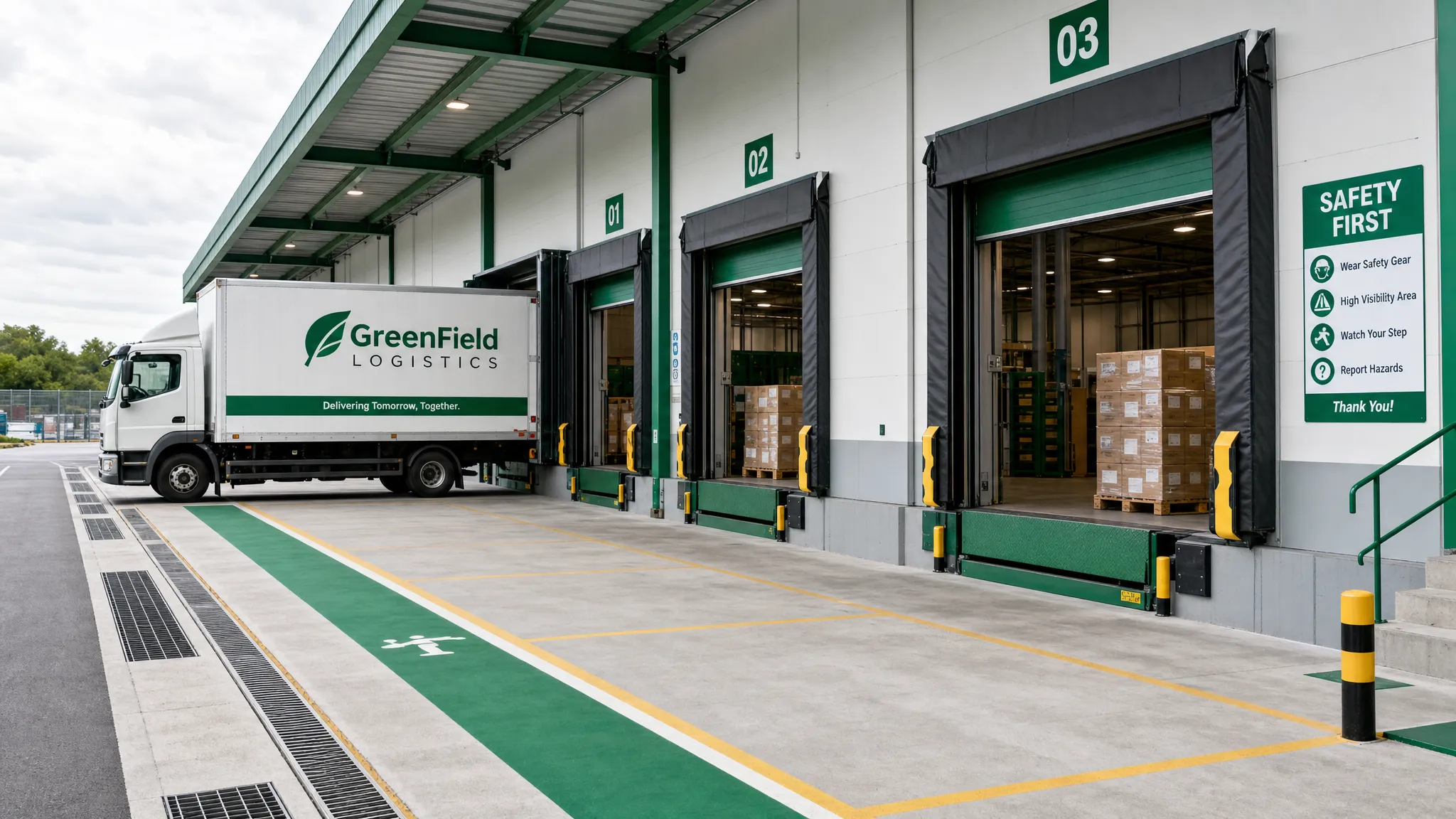
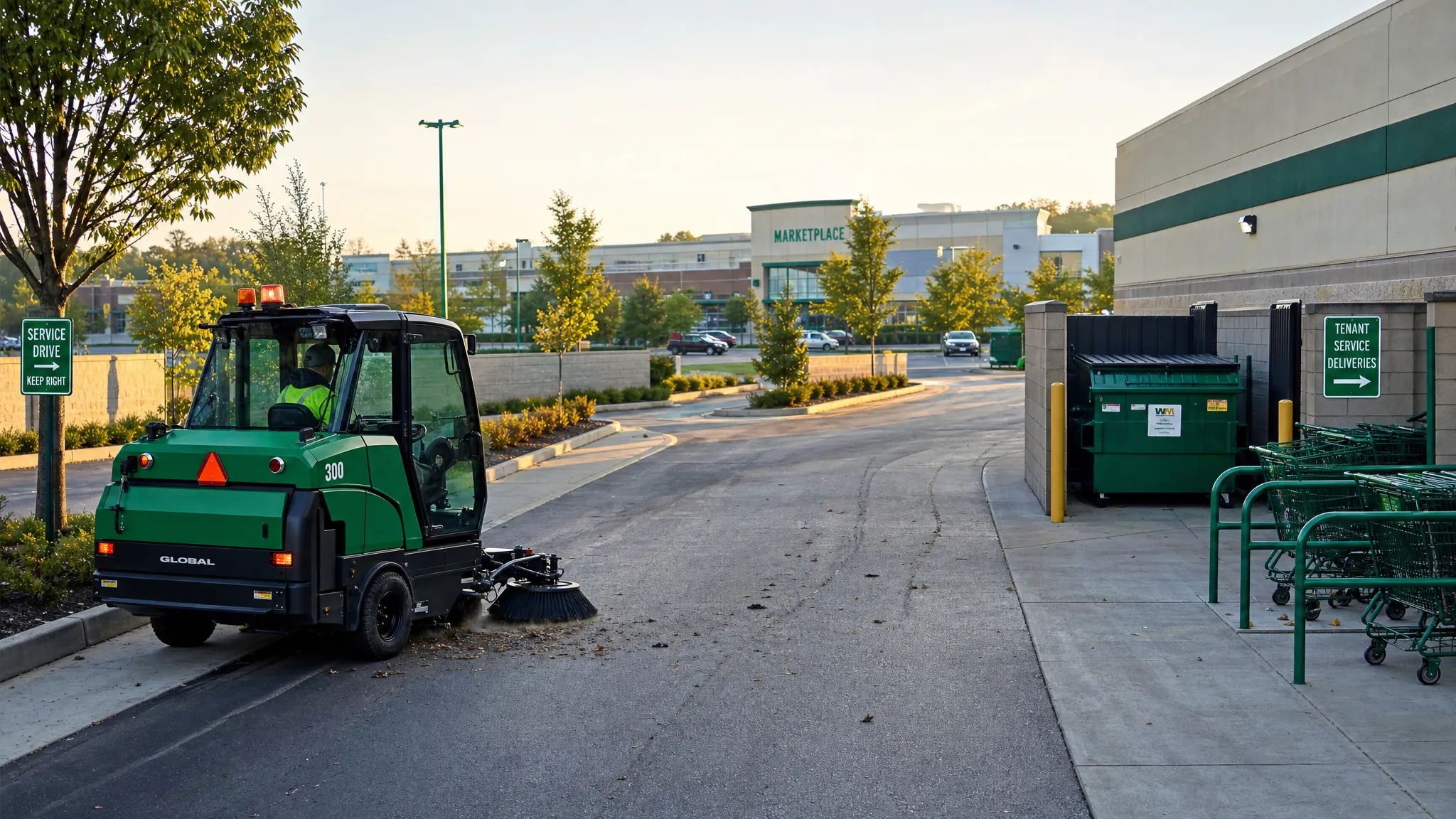
Walk your property and identify 6 to 10 recurring hot spots. Common high-liability zones include:
Once zones are mapped, you can target cleaning where it actually reduces risk, instead of spending time on areas that stay clean.

Track-out is one of the fastest ways for a minor housekeeping issue to become a public-safety and compliance issue.
To reduce track-out:
If you manage construction sites, think of track-out control as a “front door” standard. If the gate area is controlled, the rest of the site is easier to keep compliant.
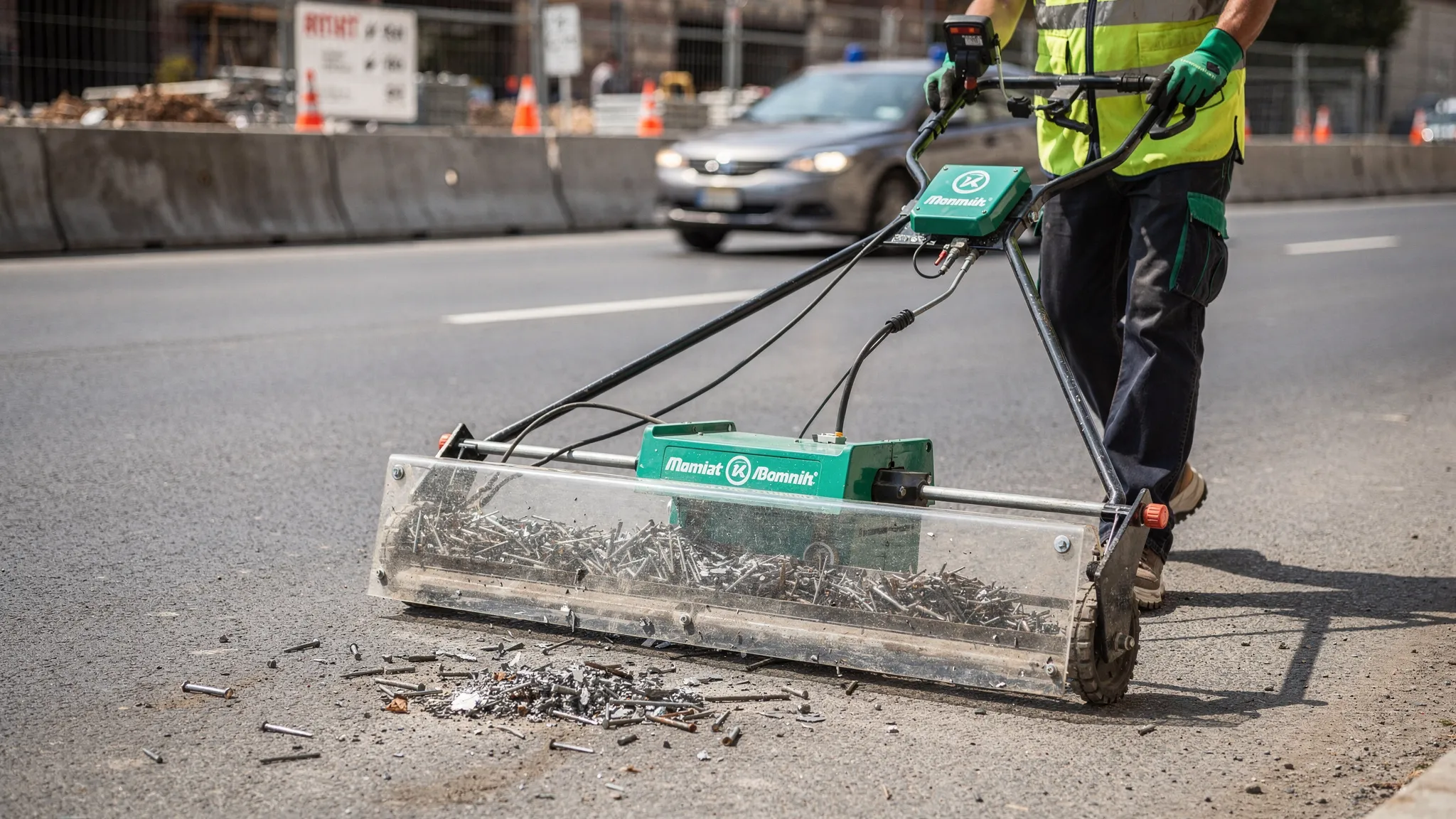
Metal is different from dust and litter because it has a direct, expensive failure mode: punctures.
Magnet sweeping is a simple risk reducer after:
Even on commercial properties, metal can show up after tenant improvements, signage installs, or contractor work.
If you only inspect drains on sunny days, you will miss the real story.
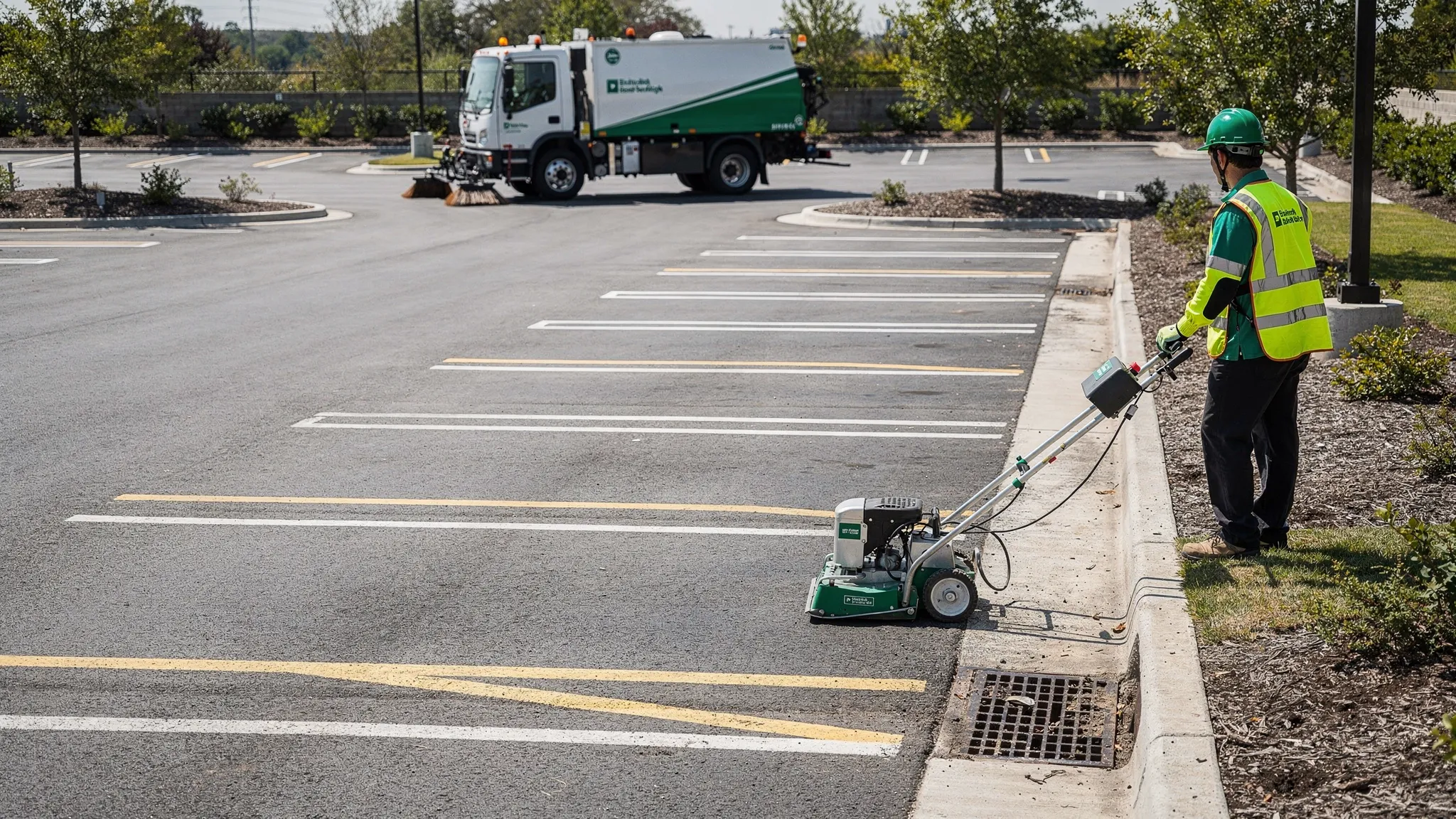
Adopt a simple rule: after meaningful rain, inspect the water path.
Look for:
This is one of the fastest, lowest-cost ways to prevent drainage complaints and reduce the chance of pollutants leaving the property.
Calendar-based cleaning is a good baseline. Trigger-based cleaning is what prevents surprises.
Common sweep safe triggers include:
If you already have routine sweeping, adding triggers often improves results more than simply increasing the baseline frequency.
Documentation is not bureaucracy if it helps you prove reasonable care.
What works in the field:
If an issue escalates (complaint, inspection question, claim), you are not trying to reconstruct what happened months later.
Most sweep-safe failures are not technical. They are ownership failures.
You need clarity on:
If you are scaling operations across multiple properties, staffing and leadership matter. Many organizations lean on specialized recruiting partners when they need experienced facilities, operations, or safety leaders who can build repeatable programs. For teams hiring business-critical leadership across regions, an international executive search partner can help fill roles where process discipline and risk reduction are non-negotiable.
In-house cleanup is often fine for light litter and quick touch-ups, especially when you have trained staff and the right tools.
Consider calling a professional sweeping partner when:
Reliable Sweepers provides professional street sweeping and property maintenance across Middle Tennessee, with services that align naturally with sweep safe goals, including construction site sweeping, parking lot and garage cleaning, industrial and warehouse sweeping, neighborhood and municipal sweeping, magnet sweeping, dust and mud control, and emergency response.
If you want more depth on scoping and scheduling, these guides can help:
What does “sweep safe” mean? It means running exterior cleaning like a risk-control program: clear standards, mapped hot zones, routine sweeping plus event triggers, and simple documentation.
What areas should I prioritize to reduce liability fastest? Start with entrances (track-out), sidewalks and ramps (slip risk), tight turns and intersections (debris build-up), curb lines (stormwater transport), and dumpster pads (spills and sharp debris).
How often should we sweep to reduce risk? There is no one-size frequency. A strong baseline schedule combined with trigger events (rain, deliveries, landscaping, construction activity) usually reduces incidents more effectively than calendar-only sweeping.
Is magnet sweeping worth it? Yes when metal is present. Nails and tie wire can cause tire punctures and injuries. Magnet sweeping is a targeted way to reduce that specific exposure after construction phases or contractor activity.
How can I show proof we maintained the property? Use repeatable zone photos (same locations), short notes for trigger events, and vendor confirmations. The goal is quick, consistent evidence of reasonable care.
If you manage a construction project, commercial property, warehouse, HOA route, or municipal area in Nashville or Middle Tennessee, Reliable Sweepers can help you reduce debris, improve safety, and stay compliant with a schedule that matches your real-world triggers.
Visit Reliable Sweepers to request a quote or discuss a sweep safe plan tailored to your property.
Reliable Sweepers provides comprehensive street sweeping and property maintenance services across Middle Tennessee. Whether you're managing a construction site, commercial property, or residential development, our experienced team delivers the professional cleaning solutions you need.