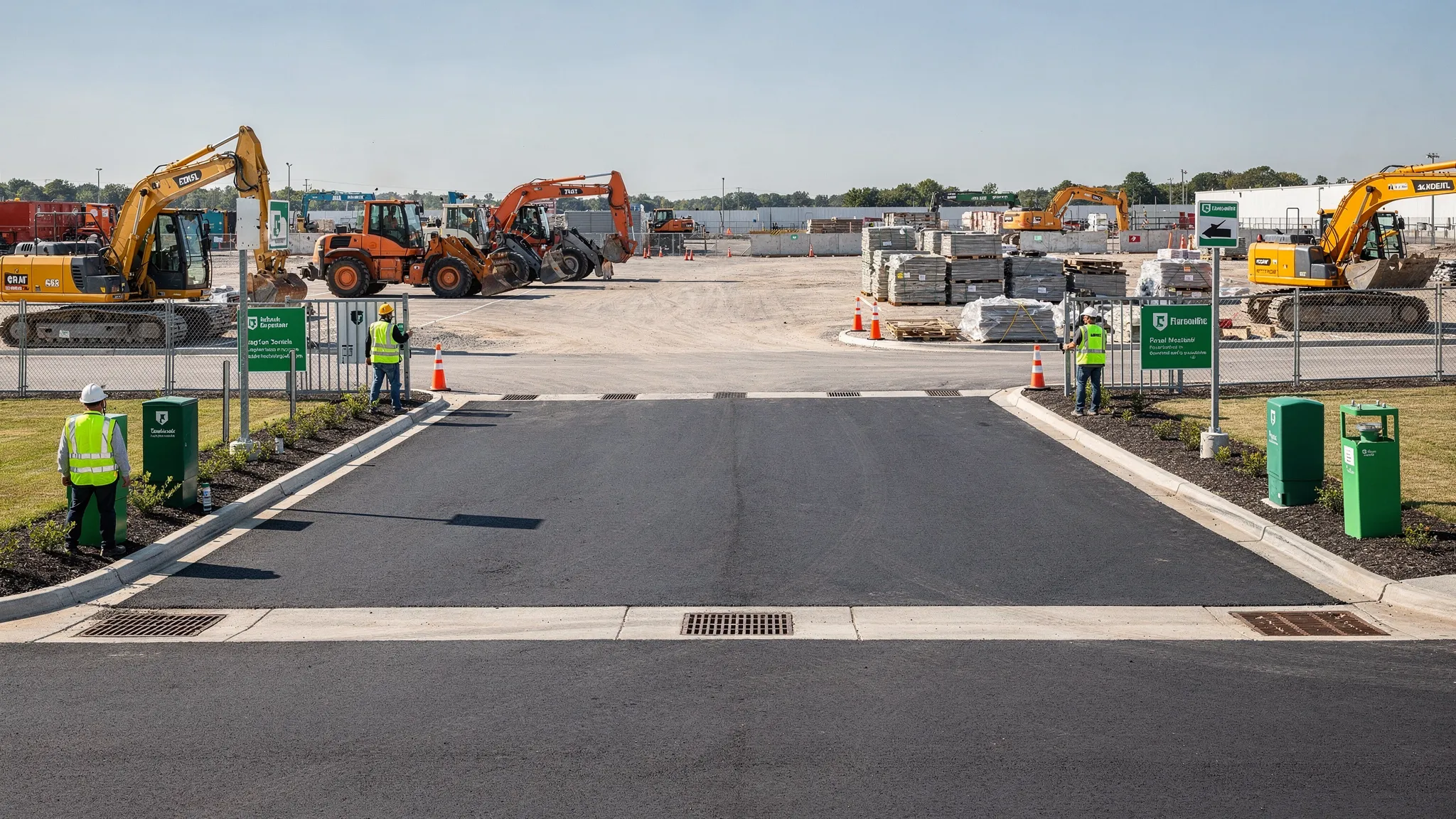
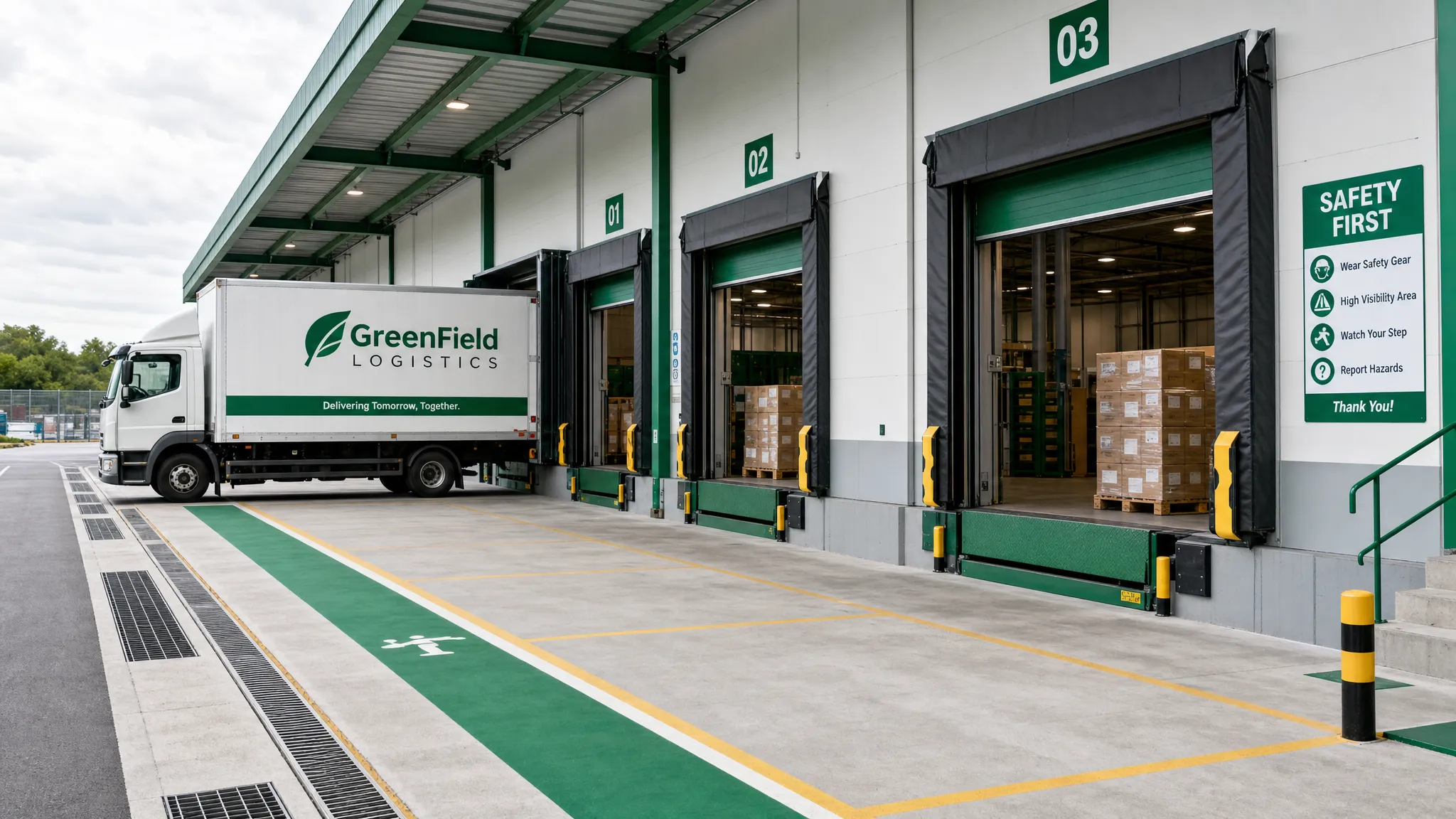
Building works cleaning is one of the easiest parts of a project to “leave for later”, and one of the fastest ways to create avoidable delays, complaints, and failed walkthroughs. The fix is not a longer punch list. It is a phase-based plan that matches the mess you are making today (dust, mud, scrap, fasteners, sediment) to the right cleanup method, at the right cadence, in the right zones.
This practical plan walks superintendents, project managers, and facility teams from rough cleaning through final turnover, with a focus on exterior cleanliness, safety, and stormwater compliance.
What “building works cleaning” actually means on a live job
On active projects, “clean” is not the same as “looks nice.” A clean site is one that:
- Keeps haul routes and entrances passable and predictable
- Prevents track-out and sediment from reaching public streets and storm drains
- Removes sharp debris (fasteners, tie wire, metal fragments) from travel paths
- Controls fine dust that causes slip risk, complaints, and re-cleaning
- Stays inspection-ready without emergency scrambles
If your cleaning plan is only “we’ll sweep before the owner comes,” you are effectively planning for rework.
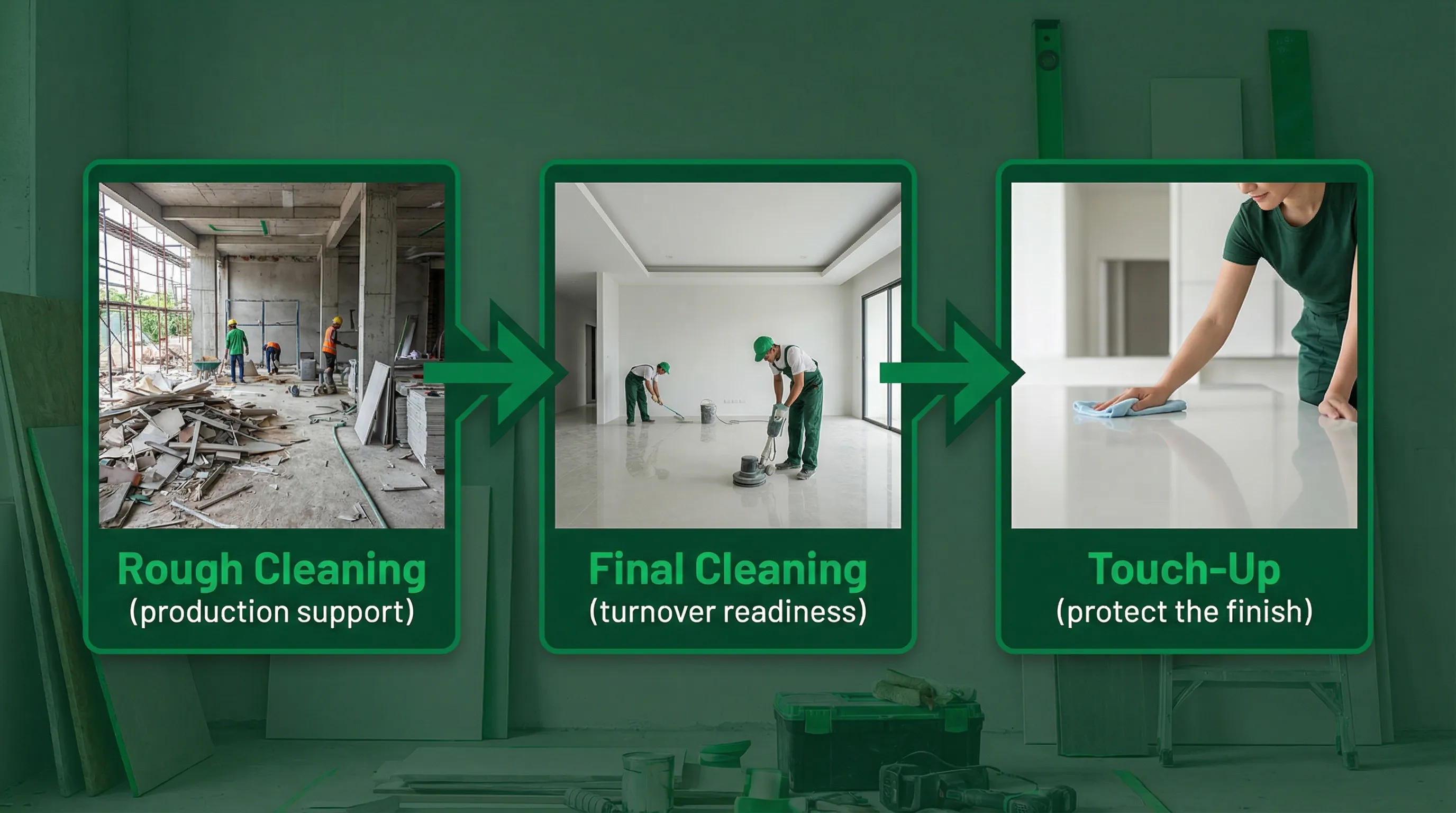
The 3 phases: rough, final, and touch-up (and what changes in each)
Most building works cleaning problems come from treating every stage the same. Instead, set expectations by phase.
Rough cleaning (production support)
Rough cleaning is about keeping work moving. You are not chasing perfection, you are controlling the debris that causes schedule drag.
Focus:
- Haul routes, entrances, and public edge
- Loose aggregate, packaging, scrap piles, and “fastener risk” areas
- Dust and mud control after weather or heavy trucking
Final cleaning (turnover readiness)
Final cleaning is about verification. You are establishing a pass/fail condition for walkthroughs, paving/striping, and closeout.
Focus:
- Curb lines, corners, and drains (where fines hide)
- Detailed sweeping and magnet sweeping
- Removing residue that ruins first impressions (mud staining, tracked fines)
Touch-up cleaning (protect the finish)
Touch-up is about staying clean while the last 10 percent of work happens (punch, landscaping, signage, tenant move-in).
Focus:
- Rapid response after small scope work generates new debris
- Keeping entrances and drives client-ready
- Fixing “one bad photo” areas (dumpster pad, loading dock, main sidewalk)
Step 1: Map the site into cleaning zones (so nothing gets missed)
A workable plan starts with a site map that matches how debris moves. For most projects, the highest-value exterior zones are:
- Public edge: sidewalks, curb-and-gutter, adjacent streets, and any shared drive lanes
- Site access points: stabilized entrance, gate area, wheel paths, and turn radii
- Haul routes: the main “debris conveyor belt” inside the fence line
- Transition zones: where dirt meets hard surface (dock aprons, garage entries, ramp transitions)
- Paved assets: new asphalt, concrete approaches, and finished hardscape that can be stained or damaged
- Drainage features: curb returns, inlets, and low spots that collect sediment
- High-complaint nodes: dumpster pads, loading docks, main entry walks, temporary parking
Then assign ownership. If “everyone” owns the public edge, no one does.
Step 2: Set a rough-clean rhythm that matches production (baseline + triggers)
Rough cleaning works best as a baseline cadence plus event-based triggers. Baseline keeps the project stable. Triggers prevent blowups.
Baseline cadence (keep the site predictable)
Your baseline should protect the highest-risk zones even on “normal” days:
- Entrances and haul routes stay clear enough to prevent track-out
- Public edge is free of loose debris and sharp fragments
- Scrap and packaging do not accumulate to the point that they become windborne
Triggers (the moments you should plan for, not react to)
Plan ahead for the days that reliably create mess:
- Rain and mud events: track-out, sediment, and clogged curb lines increase quickly
- Concrete cuts and masonry work: fine dust spreads farther than crews expect
- Heavy delivery days: pallets, banding, wrap, and broken packaging spike
- Paving, milling, and striping windows: surfaces need to be clean before crews arrive
- Upcoming inspections or owner walks: you need time for detail work and verification
- Wind events: light debris migrates to fence lines, curb returns, and drains
In Middle Tennessee, spring storms and fast-changing weather make trigger-based scheduling especially valuable. A plan that ignores rain response is not a plan.
Step 3: Match cleaning methods to debris (dry removal first, detail second)
One reason “building works cleaning” fails is using the wrong method on the wrong material. Think in debris types.
Fine dust and sediment
Fine particles create slip risk, complaints, and stormwater issues. They also reappear if you only move them around.
Practical approach:
- Prioritize capture and containment, not just pushing dust to the curb line
- Detail curb lines and corners because fines collect where tires do not reach
- Use wet methods selectively and only when you can control runoff
For background on why “hose it off” often backfires, see Reliable Sweepers’ guide on pavement cleaning when power washing isn’t enough.
Loose aggregate (stone, millings, broken concrete)
Aggregate is a trip hazard and a tire hazard. It also becomes projectile risk around traffic.
Practical approach:
- Remove from travel lanes first, then from edges
- Treat transitions (garage entries, dock aprons) as priority zones
- Avoid grinding aggregate into fresh asphalt or finished concrete
Metal fragments and fasteners
These are common near steel work, framing, fence installation, and punch activity. They are also easy to miss until someone finds them with a tire.
Practical approach:
- Use magnet sweeping in fastener-prone zones and before turnover
- Repeat after fence work, punch fixes, and any rework involving screws or anchors
Mud and track-out
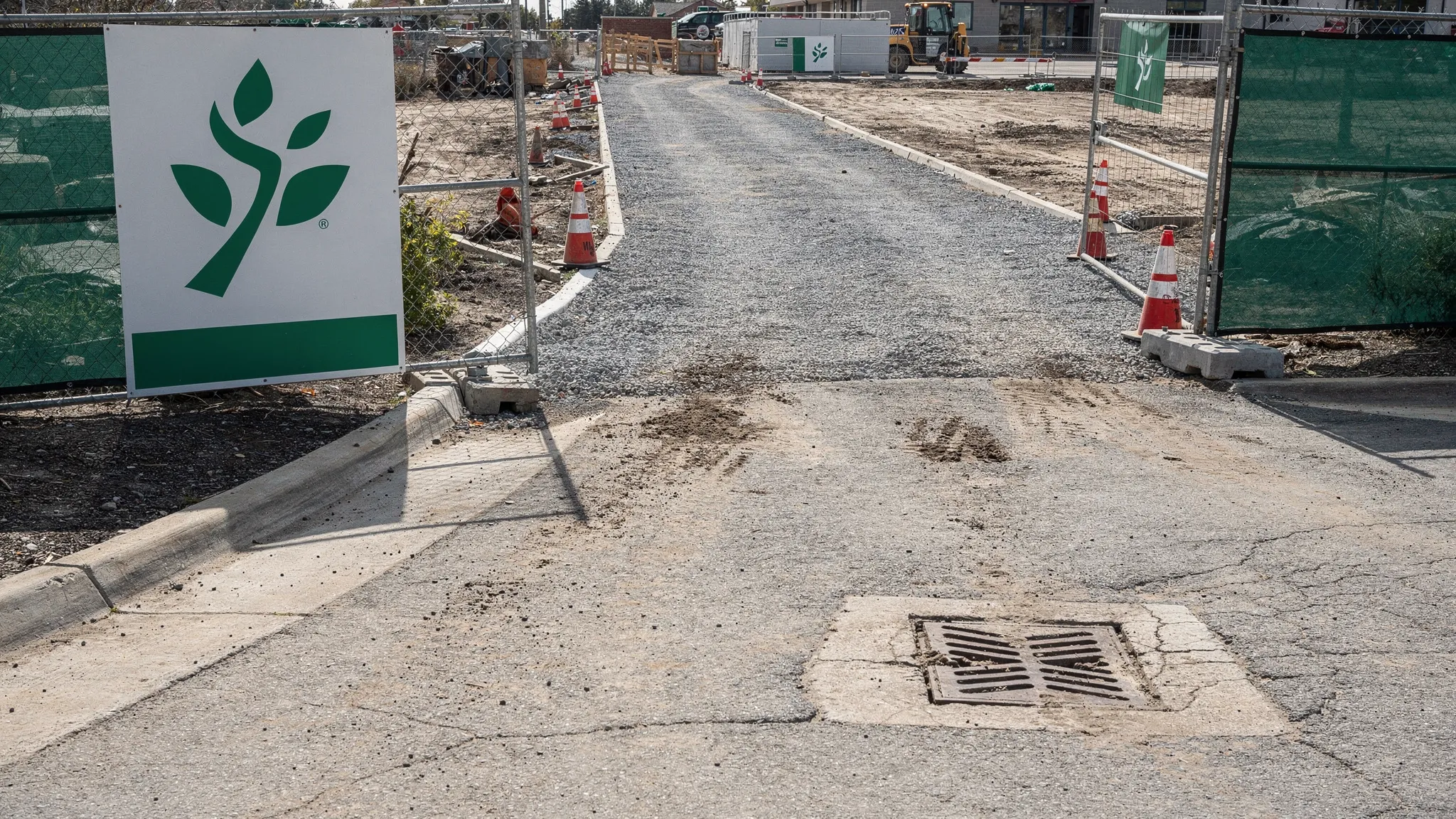
Track-out is a schedule and compliance problem because it expands beyond your fence line.
Practical approach:
- Stabilize the entrance and repair it when it fails (don’t just sweep the street repeatedly)
- Reset haul routes after rain instead of waiting for them to dry into hard-packed mud
- Treat the public edge as “always ready” if you share access with tenants or the public
Step 4: Build stormwater compliance into the cleaning plan (not as an afterthought)
Exterior cleaning on building works is closely tied to stormwater performance. The goal is simple: keep sediment and debris out of the drainage system.
Two widely referenced frameworks to align with:
- The EPA’s Construction General Permit (CGP) resources (for understanding expectations around sediment control, stabilization, and good housekeeping)
- OSHA’s general expectations for housekeeping on construction sites (for keeping work areas, access points, and storage orderly and safe)
Field-practical ways to make this real:
- Treat drains as inspection points: after rain, check inlets and low spots where sediment accumulates
- Document “before and after” when it matters: photos after trigger cleanups help justify decisions and show due diligence
- Separate sweeping from disposal questions: clarify where debris goes, and who owns dumpsters, hauling, and special materials
If you want a deeper compliance primer, Reliable Sweepers also breaks this down in environmental compliance basics for construction cleanup.
Step 5: Transition from rough to final with a 10-day “stop making mess” plan
Final cleaning fails when production is still generating the same debris. The most practical final plan is a coordination plan.
About 10 days out (adjust for project scale), align on:
1) What work is still creating exterior debris
Common culprits:
- Concrete sawcutting and patch work
- Landscape soil and mulch staging near paved areas
- Punch activity that generates metal fragments (anchors, screws, brackets)
- Dumpster overflow and windborne packaging
2) What surfaces must be protected
Examples:
- Fresh asphalt (especially before striping and opening)
- New sidewalks and entry pads (mud staining and tracked fines)
- Garage ramps and entries (dust and track-out hot zones)
3) The pass/fail “turnover ready” standard
Instead of “make it clean,” define outcomes people can verify quickly:
- Public edge has no visible track-out, no piles at curb returns
- Curb lines are free of windrowed sediment and loose debris
- Entrances and main drives look consistent from 20 feet away (no obvious mud banding)
- Drains and low spots are free of sediment build-up
- Travel paths are free of sharp debris (validated by magnet sweep where needed)
For a field-ready closeout workflow, you can also reference Reliable Sweepers’ post construction clean up punch list, then tailor it to your specific zones and risk points.
Step 6: Run final cleaning like an operation (sequence matters)
Final building works cleaning goes smoother when you sequence it intentionally.
A reliable sequencing mindset:
Clear first, then detail
Remove bulk debris and loose material before you chase edges. Otherwise, you recreate the mess as equipment and traffic move.
Detail edges, corners, and drains last
These are where “it still looks dirty” comments come from. They are also where sediment accumulates for stormwater.
Schedule around paving, striping, and landscaping
A common mistake is doing a beautiful final sweep, then letting striping crews and landscapers immediately contaminate the surface again.
If you have paving coming up, align exterior cleaning with that window. Reliable Sweepers covers the coordination side in their construction sweeping timing guide.
Step 7: Keep a touch-up plan (because the last week always gets messy)
Touch-up cleaning is not a failure, it is normal. The goal is to prevent small messes from becoming big ones.
What to include in a touch-up plan:
- A short list of “always client-facing” zones (main entry, primary drive, loading dock, public sidewalk)
- A trigger list (wind, rain, punch activity, dumpster overflow)
- A response window (same day for public edge issues, next day for interior-fence-line buildup)
On mixed-use or occupied properties, touch-up is often what prevents complaints and negative first impressions.
When it makes sense to bring in professional exterior sweeping
In-house labor can handle basic pickup and daily housekeeping, but exterior sweeping becomes specialized when:
- Fine dust keeps returning (and complaints or slip risk increase)
- Track-out is affecting public roads or shared drives
- You need magnet sweeping for fasteners and metal fragments
- You have tight windows around paving, striping, inspections, or turnover
- Weather creates repeated mud resets that overwhelm on-site crews
Reliable Sweepers supports building works cleaning across Middle Tennessee with construction site sweeping, asphalt paving cleanup, magnet sweeping, dust and mud control, and emergency response, scheduled around your production needs. If you want a practical plan tied to your layout and project phase, start with a walkthrough and a zone-based scope at Reliable Sweepers.