Buying street sweeping in Nashville, TN is not just about making pavement look clean for a few hours. For property managers, general contractors, facility teams, HOAs, and municipal buyers, sweeping affects access, complaints, tire damage, stormwater risk, and how quickly a site can get back to normal after weather or heavy traffic.
The best local buyers do not start with a question like, how much is one sweep? They start with a clearer question: what result do we need, where does debris collect, and how often does the site change? Once those details are defined, it becomes much easier to compare providers, avoid surprise charges, and get a cleaner property with less rework.
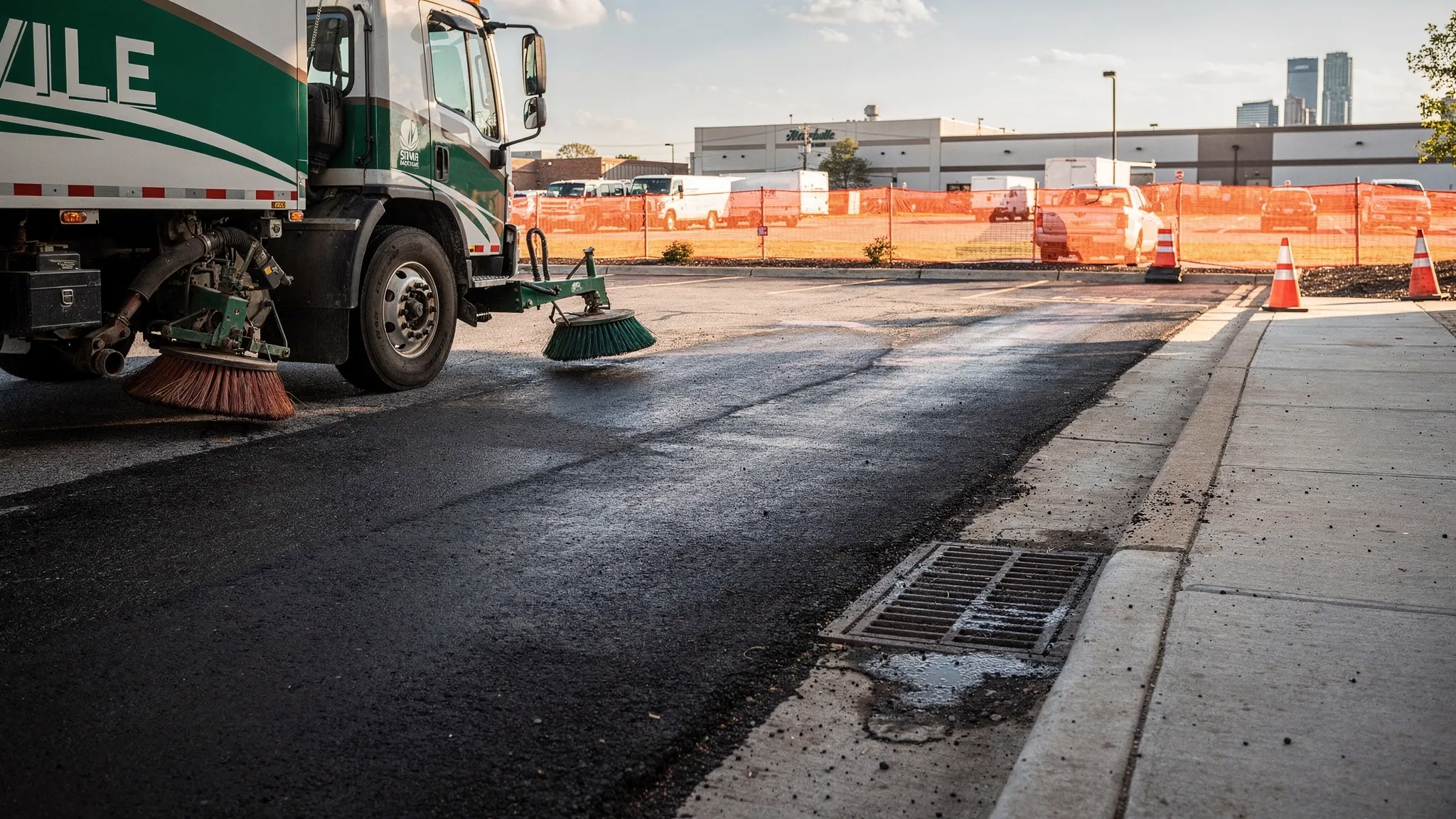
Nashville has a few conditions that make street sweeping more than a cosmetic service. Fast development means more construction entrances, utility work, paving projects, material deliveries, and truck routes. Middle Tennessee rain can move sediment quickly from paved areas into curb lines and inlets. Clay soil, pollen, leaf drop, and post-storm debris all add to the workload at different times of year.
That matters because debris rarely stays where it starts. Mud tracked from a construction exit moves into travel lanes. Leaves and grit collect at low points. Fine dust settles in parking garages and loading areas. Metal fragments from job sites or warehouses can end up in tires. Once material reaches a storm drain, cleanup becomes harder and the risk profile changes.
The EPA explains that stormwater runoff can carry dirt, debris, chemicals, and other pollutants into local waterways through municipal storm sewer systems. Locally, Metro Nashville Stormwater manages programs related to drainage and stormwater quality. For buyers, the practical takeaway is simple: remove sediment and debris before rain or traffic spreads it.
Professional sweeping helps by capturing material at the source, especially along curb lines, access routes, parking lanes, dock areas, and construction entrances. It does not replace a full compliance program, but it can be an important part of keeping a site cleaner, safer, and easier to document.
A vague request for street sweeping usually produces a vague quote. A better request tells the provider what success looks like.
For a retail center, success may mean customer-facing drive lanes, parking stalls, entrances, and dumpster areas look consistently maintained before peak traffic. For a construction project, success may mean no visible track-out at the public edge, clear curb and gutter lines, reduced dust, and magnet sweeping before turnover. For an industrial facility, success may mean cleaner loading docks, fewer pallet fragments, less metal debris, and fewer complaints from drivers or tenants.
Before you call a provider, define the primary outcome:
Once the outcome is clear, the provider can recommend the right equipment, timing, and level of detail instead of guessing.
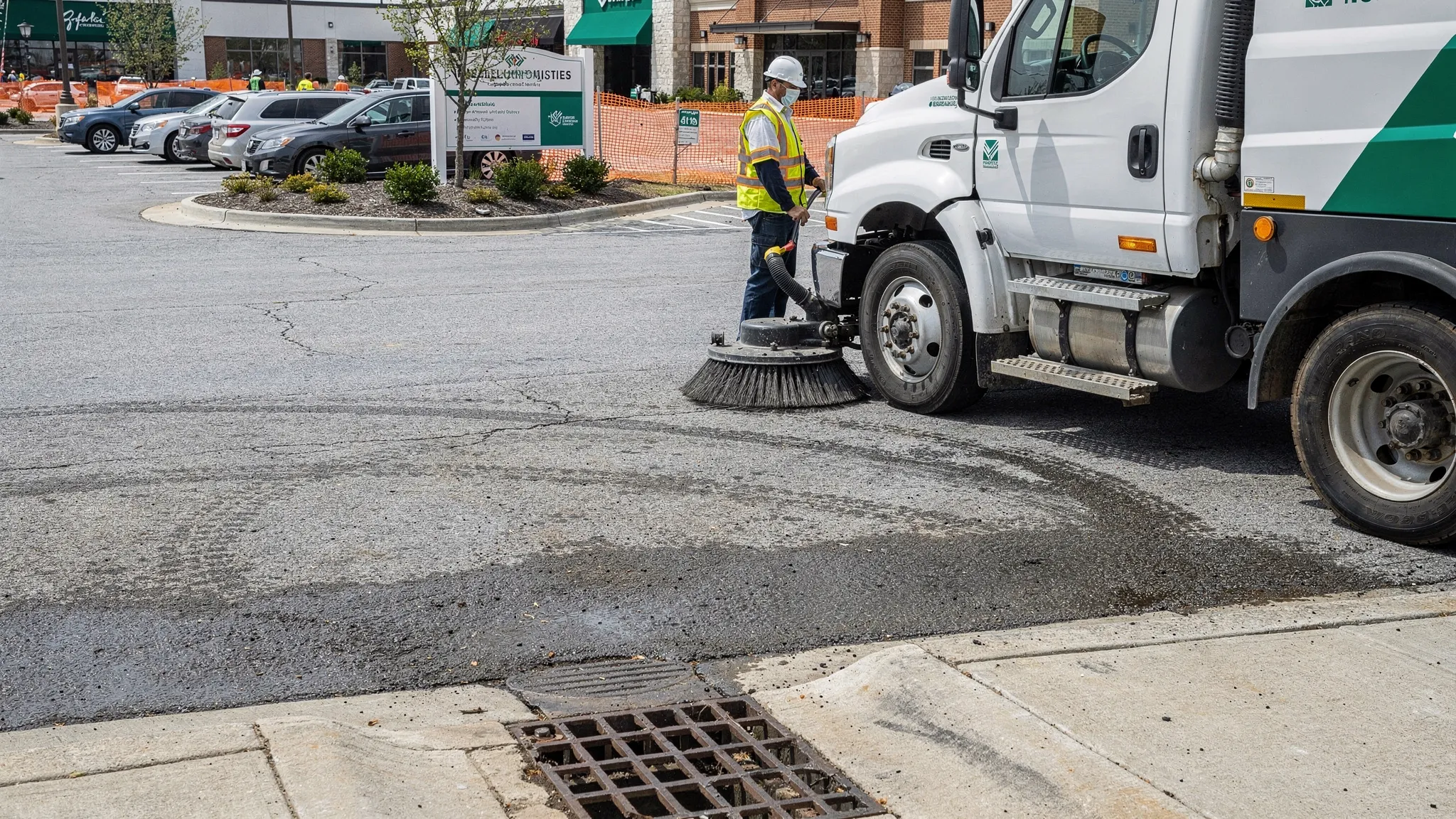
A typical Nashville street sweeping service can include mechanical sweeping of paved drive lanes, private roads, parking lots, garages, construction access routes, and curb lines. Depending on the site, the work may also involve detail cleaning around corners, entrances, loading areas, and storm drain approaches.
A good scope should explain which areas are included, how debris will be captured, when service will occur, and what proof of completion will be provided. On many properties, the most important work happens at the edges, not in the middle of the pavement. Curb lines, gutter pans, parking stops, dock aprons, and drain approaches are where material tends to settle.
Local buyers should also understand common add-ons. Magnet sweeping is useful when metal fragments, nails, screws, or construction debris may be present. Dust and mud control may be needed when soil, fine sediment, or track-out is the main problem. Asphalt paving cleanup may be needed after milling, paving, patching, or aggregate movement. Emergency response can help after storms, spills of non-hazardous debris, failed containment, or unexpected track-out.
Equally important, know what may not be included unless you request it. Street sweeping usually does not include hazardous waste cleanup, deep stain removal, full pressure washing, catch basin vacuuming, landscaping repair, or bulk hauling unless those items are specifically scoped. If you need a broader cleanup, ask the provider to identify what they can handle and what requires another trade.
For a deeper breakdown of inclusions and timing, Reliable Sweepers has a related guide on what Nashville street sweeping services include and when to schedule them.
Different buyers need different sweeping plans. The same truck and route that works for a quiet office lot may not be enough for an active job site or a warehouse with heavy dock traffic.
Construction buyers usually care about track-out, dust, public-facing edges, inspection readiness, and schedule. Sweeping may be needed after grading, utility work, concrete pours, paving, material deliveries, and storms. Magnet sweeping is often worth discussing before inspections, tenant turnover, or areas where vehicles and pedestrians will return.
For commercial property managers, sweeping protects curb appeal and reduces tenant complaints. Entrances, drive lanes, parking stalls, dumpster pads, cart corrals, and sidewalk edges tend to be the highest-visibility areas. Service should usually be scheduled around customer traffic, tenant operations, and trash pickup.
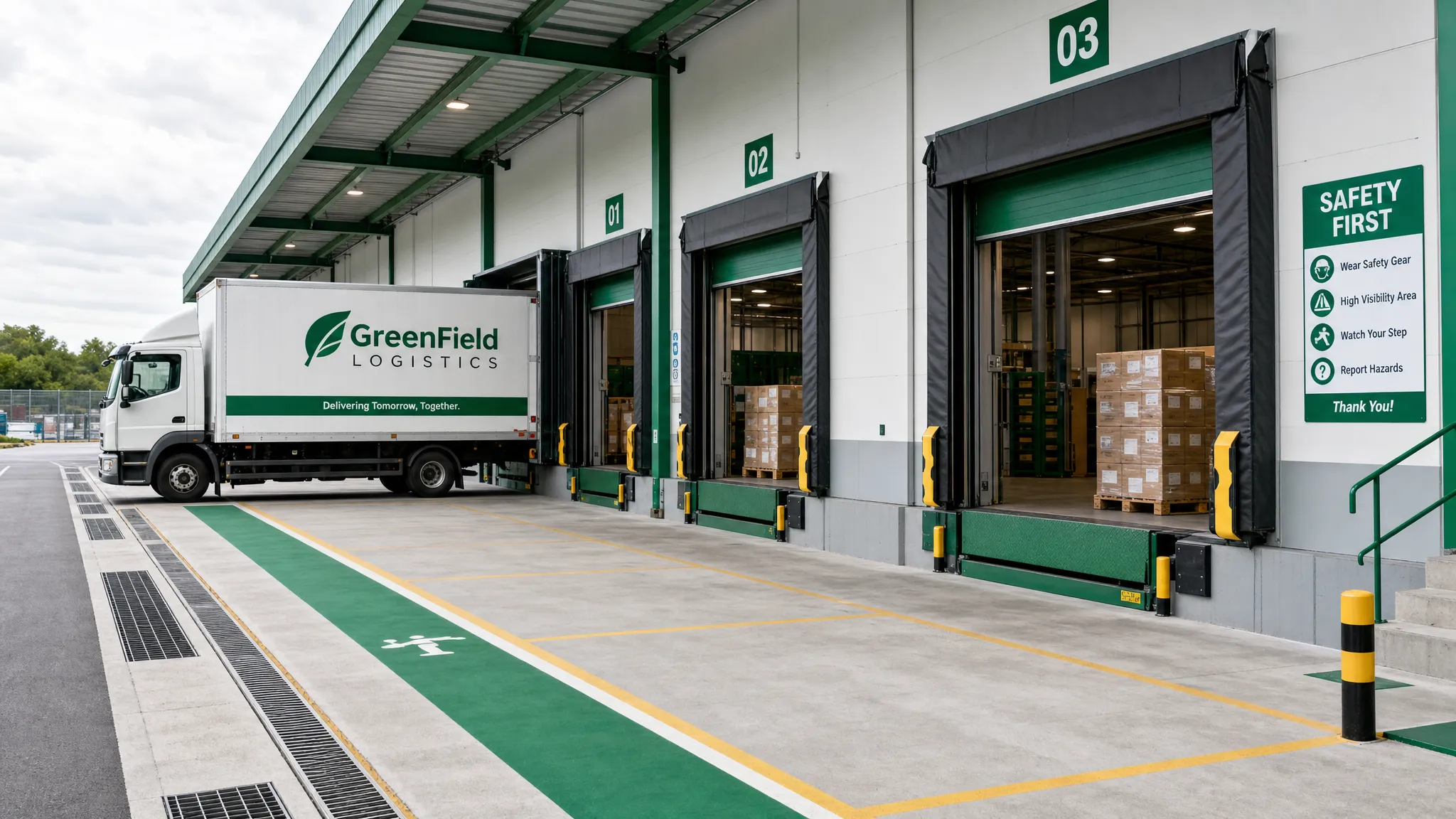
Industrial buyers often need exterior and semi-exterior areas handled together. Loading docks, trailer rows, yard entrances, employee parking, and warehouse approaches can all contribute to dust and debris. Metal fragments, pallet pieces, packaging material, and aggregate can create tire and housekeeping problems if they are not removed on a routine basis.
Neighborhood and HOA sweeping is often seasonal. Leaf drop, storm debris, construction activity, and sediment near curb lines can affect appearance and drainage. Clear communication matters because parked cars, trash collection, and resident access can limit how much curb line a sweeper can reach.
Municipal and high-traffic areas require more planning around access, traffic control, pedestrian movement, events, and timing. Downtown or event-adjacent sweeping may need off-peak windows and clear coordination so equipment can safely reach curb lines without creating unnecessary disruption.
You do not need a perfect map before requesting service, but you should be able to describe the basics. Better information usually leads to better pricing and fewer missed areas.
Gather these details before asking for quotes:
These facts help a contractor decide whether the job needs a routine sweep, a detailed edge reset, magnet sweeping, dust control, emergency response, or a combination of methods.
Most Nashville properties benefit from two layers of scheduling. The first is routine service, which keeps recurring debris under control. The second is trigger-based service, which responds to events that create sudden messes.
Routine frequency depends on property use. A busy retail center may need regular service to stay presentable. A construction site may need sweeping around major phases or repeated activity at exits. An HOA may need seasonal service around leaf drop or after storms. An industrial yard may need more frequent attention near docks and trailer traffic.
Trigger events are just as important. Rain after grading can move mud quickly. Paving can leave aggregate and dust. High winds can push litter and leaves into corners. A failed dumpster pickup can scatter debris. A city inspection, tenant walkthrough, or property sale can create a deadline that routine service alone will not satisfy.
If your main question is frequency, the Reliable Sweepers guide on road sweeping in Nashville, TN offers more detail on timing, cost drivers, and expected results.
Street sweeping prices vary because sites vary. A small open lot with light litter is different from a tight downtown property with curb detail, parked cars, traffic control, and after-hours access. A one-time emergency cleanup after mud track-out is different from a planned monthly route.
Common cost drivers include site size, travel time, service frequency, debris type, number of passes, disposal needs, detail work, access limitations, response speed, and whether specialty services such as magnet sweeping or dust and mud control are needed. Documentation, off-hours work, and traffic-control needs can also affect the final price.
The lowest per-visit price is not always the lowest total cost. A cheap sweep that skips curb lines, leaves sediment near drains, or misses a high-risk entrance may lead to a second service call, a complaint, or a failed inspection. Buyers should compare what is included, not just the number at the bottom of the quote.
When comparing bids, ask whether the price includes edge work, drain approaches, disposal, photos, return visits for blocked access, emergency availability, and any specialty service you expect. For a quote-comparison framework, see Reliable Sweepers’ guide on how to compare street cleaning companies in Nashville.
Street sweeping is often treated as exterior maintenance, but it also supports risk reduction. Loose aggregate can create slip or skid concerns. Nails and screws can damage tires. Mud and dust can move beyond the property line. Leaves and sediment can block drainage paths. Trash around dumpster pads and curb lines can create tenant complaints and pest concerns.
For construction and industrial buyers, sweeping should be coordinated with stormwater controls, site housekeeping, and documented inspections. For commercial buyers, it should support safer access, better curb appeal, and fewer drainage complaints. For HOAs, it can help maintain streets and gutters during seasonal debris peaks.
A simple rule helps: capture dry material before it becomes wet slurry. Blowing debris into gutters or rinsing sediment toward storm drains may make the surface look better for a moment, but it can move the problem downstream. If wet cleaning is needed, ask how wash water and residue will be controlled.
Reliable Sweepers covers this topic in more depth in its guide to stormwater-friendly Nashville environmental cleaning.
A professional service visit should feel organized, not improvised. The crew should understand the scope, know where to start, and have a plan for access and safety.
A typical service-day flow includes:
For buyers, the key is not micromanaging the operator. It is making sure the scope and acceptance standard are clear before the truck arrives.
Not every provider defines clean the same way. Before approving a quote, look for signs that the scope may be too thin or too vague.
Watch for these red flags:
A clear quote does not need to be complicated. It should simply tell you what areas will be cleaned, how they will be cleaned, when work will happen, what is excluded, and how completion will be verified.
The first month with a sweeping provider should be used to refine the plan. Start with an initial reset if the property has accumulated debris. After that, move into a maintenance schedule that targets the highest-impact areas first.
Ask the provider to identify the top debris hot spots after the first visit. These might be a construction exit, a dumpster pad, a low curb line, a loading dock, or a garage ramp. If the same area gets dirty immediately after every sweep, the issue may be upstream. You may need better material staging, improved track-out control, a different trash process, or a schedule change.
Communication also matters. Let tenants, site supervisors, security teams, or HOA residents know when sweeping will occur. Move vehicles when needed. Unlock gates. Avoid scheduling deliveries during the cleaning window. Small access improvements can make a big difference in the final result.
How often should Nashville properties schedule street sweeping? It depends on traffic, debris type, season, and risk level. Many sites need a routine schedule plus extra sweeps after rain, construction activity, paving, leaf drop, storms, or complaints.
Is street sweeping the same as pressure washing? No. Sweeping captures dry debris such as sediment, litter, leaves, dust, gravel, and some construction material. Pressure washing uses water and may require wash-water control. Many sites should be swept before any wet cleaning is considered.
Do I need magnet sweeping? Magnet sweeping is worth considering when nails, screws, wire, metal shavings, or construction debris may be present. It is especially useful on job sites, paving projects, industrial yards, and turnover areas where tire damage is a concern.
Do private properties need permits for street sweeping in Nashville? Routine sweeping on private property usually does not require a city permit, but work that affects public right-of-way, lane closures, parking restrictions, or traffic control may require coordination. Always confirm requirements for your specific site and scope.
What should I do before the sweeper arrives? Move vehicles when possible, unlock gates, mark priority zones, pause messy operations, share gate codes or site contacts, and tell the provider about hazards such as low clearances, loose materials, or active pedestrian areas.
Reliable Sweepers provides professional street sweeping and property maintenance services across Nashville and Middle Tennessee. Services include construction site sweeping, asphalt paving cleanup, industrial warehouse sweeping, parking lot and garage cleaning, neighborhood and HOA sweeping, municipal sweeping, emergency response, magnet sweeping, and dust and mud control.
If you are comparing providers, planning a construction cleanup, or trying to reduce complaints at a commercial property, start with a site-specific conversation. Reliable Sweepers can help you define zones, timing, debris concerns, and the level of service needed for cleaner, more compliant pavement.
Visit Reliable Sweepers to request help with a local street sweeping plan for your property or job site.